
Market Wiz AI

Uncategorized

How to Sell More RVs and Campers: Marketing to Travel Enthusiasts
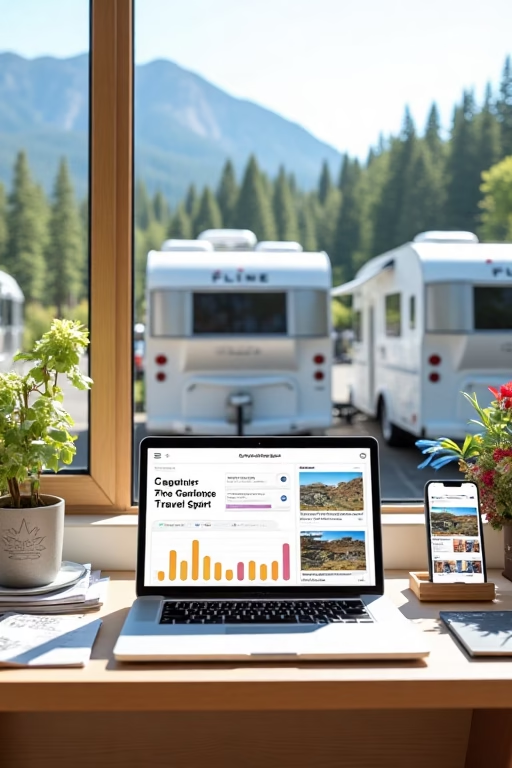
854251819868677211
How to Sell More RVs & Campers: Marketing to Travel Enthusiasts | Market Wiz

How to Sell More RVs & Campers: Marketing to Travel Enthusiasts

Your Ultimate Growth Guide by Market Wiz

How to Sell More RVs & Campers requires crafting a seamless journey from first inquiry to lifelong ownership—through targeted audience segmentation, omnichannel marketing, compelling financing, immersive demos, and exceptional after‑sales service.

Table of Contents

Introduction

Recreational vehicles and campers offer freedom and adventure—but selling them requires understanding diverse buyer motivations, from weekend warriors and full-timers to family vacationers. This guide illuminates every step you need to expand your marine sales business into the thriving RV & camper market.

Market Overview & Trends

The RV and camper market has seen double‐digit growth, fueled by increasing remote work, outdoor recreation trends, and generational interest. Reports from RVIA and Statista highlight surging demand for compact campers, luxury models, and off‐grid capabilities.

Travel Enthusiast Personas

  • Weekend Warriors: Seek easy‐to‐tow trailers and pop‐ups for short excursions.
  • Full‐Time Nomads: Value self‐contained Class A/C diesel pushers with high comfort.
  • Family Vacationers: Prioritize space, safety features, and kid‐friendly layouts.
  • Off‐Grid Adventurers: Demand solar, battery upgrades, and rugged suspension.

Prospecting & Lead Generation

Build pipelines via campground partnerships, outdoor expos, camping‐gear stores, and travel‐influencer collaborations. Use targeted email lists and lookalike audiences on Facebook to capture high‐intent leads.

Digital Marketing Strategies

SEO & Local Search

Optimize for “RV dealer near me,” “camper for sale [City],” and long‐tail queries like “lightweight teardrop trailers.” Claim and enhance your Google My Business listing with virtual tours and review prompts.

PPC & Retargeting

Deploy Google Ads for high‐intent keywords and use Facebook dynamic ads to re‐engage visitors who viewed specific models or floorplans.

Programmatic & Display

Leverage third‐party data to serve display ads on travel and outdoor websites, targeting demographics such as families, retirees, and adventure seekers.

Showroom & Demo Trip Tactics

Create immersive experiences:

  • On‐Lot Demo Setups: Stage campouts on your lot with fully outfitted units, campfires, and product experts on hand.
  • Guided Demo Tours: Offer day‐long demo trips to local state parks, focusing on ease of tow and setup.
  • Virtual Walkthroughs: Provide 360° video tours of interiors, slideouts, and amenities for remote shoppers.

Financing & Incentive Programs

Partner with RV finance lenders to offer 0% APR deals, low‐down promotions, and deferred payment plans. Advertise loyalty rebates, military discounts, and seasonal specials to reduce purchase friction.

Events & Partnership Marketing

Exhibit at major RV shows, county fairs, and outdoor expos. Collaborate with campgrounds, outdoor brands, and travel influencers to co‐host camping clinics, cookouts, and product demonstrations.

Content Marketing & Social Media

  • Blog posts on trip itineraries, campground reviews, and maintenance tips.
  • Instagram Reels featuring setup hacks, product tours, and customer adventures.
  • YouTube series on full‐time RV living, boondocking tips, and model comparisons.

Lead Nurturing & CRM Automation

Use a CRM like DealerSocket or Salesforce to automate follow-ups: send targeted sequences with floorplan guides, financing offers, and upcoming event invites based on lead interests.

After‑Sales Service & Loyalty Programs

  • Annual maintenance packages and free winterization clinics.
  • Loyalty rewards for referrals and repeat purchases (accessory discounts, service credits).
  • VIP owner events—group trips, tech‐chefs demonstrations, and factory tours.

Measuring Performance & ROI

Track cost‐per‐lead, demo‐to‐sale conversion, average gross per unit, financing penetration, and service department revenue to optimize marketing spend and refine tactics.

Overcoming Common Challenges

  • Seasonality: Mitigate off‐season slumps with winter storage packages, spring pre‐booking discounts, and indoor showcase events.
  • Inventory Mix: Balance towable and motorhome stock; offer brokered sourcing for hard‐to‐find models.
  • Objections: Address towing anxiety with towing clinics, provide vehicle–tow demo rides, and partner with tow‐vehicle dealers for bundle promotions.

Conclusion & Next Steps

Expanding your RV and camper sales business demands an integrated approach: precise audience targeting, omnichannel marketing, immersive demos, financing creativity, event partnerships, and exceptional after‐sales service. Implement these strategies, measure your outcomes, and iterate for sustained growth.

For implementation guides, templates, and deeper insights, visit our Blog, discover Market Wiz on About Us, or Contact Us for personalized consulting.

Frequently Asked Questions

1. What RV types sell fastest?

Class C motorhomes, travel trailers, and compact teardrop campers often have the highest turnover depending on region.

2. How can I attract first‑time buyers?

Offer beginner clinics, towing lessons, and starter‐pack bundles with gear discounts.

3. Are demo trips effective?

Yes—buyers who participate in on‑road or on‑campground demos convert at significantly higher rates.

4. What financing terms resonate?

0% APR, low down payments, and deferred first payment options reduce buyer hesitation.

5. How to handle seasonality?

Use off‑season storage services, early‐bird pre‑orders, and holiday‐special financing to maintain momentum.

6. What digital ads perform best?

PPC for “camper for sale near me” and Facebook retargeting dynamic ads yield strong ROI.

7. Should I offer virtual tours?

Absolutely—360° walkthroughs and live video Q&As engage remote prospects.

8. How important are reviews?

Crucial—showcasing owner testimonials and five-star ratings builds trust and improves SEO.

9. Are referral programs effective?

Yes—offering service credits or accessory vouchers incentivizes word-of-mouth.

10. What showroom layout works?

Indoor mock campsites, interactive floorplan kiosks, and comfortable consultation areas create immersive experiences.

11. How to measure lead quality?

Track lead source, engagement depth, demo trip conversion, and average revenue per lead in your CRM.

12. What partnerships help sales?

Campgrounds, RV parks, outdoor retailers, and tow‑vehicle dealers amplify reach and credibility.

13. How often update inventory?

Daily—to prevent frustrated leads and maintain search ranking.

14. What content resonates?

Road trip itineraries, campground reviews, maintenance tutorials, and owner adventure stories perform well.

15. How do I train staff?

Monthly workshops on new models, towing best practices, and consultative selling techniques.

16. Are influencer campaigns useful?

Partner with travel and outdoor influencers for authentic adventure content featuring your units.

17. How to handle custom orders?

Use digital build/configure tools, transparent lead times, and deposit protections to manage expectations.

18. What CRM features are essential?

Automated follow‑ups, lead scoring, async scheduling of demos, and integrated service reminders.

19. Should I offer rentals?

Yes—rental‑to‑own and weekend rental programs convert renters into long‑term buyers.

20. How to improve service retention?

Offer bundled maintenance plans, seasonal check‑ups, and loyalty rewards for repeat service.

21. How to optimize for mobile?

Ensure fast load times, clear “book a demo” buttons, and responsive 360° tour playback.

22. What metrics matter?

Cost‑per‑lead, demo‑trip conversion, average gross per unit, finance penetration, and service department revenue.

23. Are subscription models viable?

Emerging RV subscription services appeal to buyers seeking flexibility without ownership commitment.

24. How to handle trade‑ins?

Use transparent online appraisal tools and immediate credit toward new RV or camper purchases.

25. What’s the first step?

Audit your current marketing and sales funnels; identify quick wins in prospecting, outreach, and follow‑up.

Additional Keywords for SEO

  1. RV dealership SEO
  2. camping trailer marketing
  3. wanderlust travel ads
  4. outdoor lifestyle content
  5. campground partnerships
  6. RV finance specials
  7. demo trip scheduling
  8. virtual RV showroom
  9. glamping trailer promotions
  10. dormant-season services
  11. tow vehicle bundle deals
  12. preorder camper models
  13. off-grid upgrades marketing
  14. RV rental conversion rate
  15. mobile demo app
  16. camping gear cross-sell
  17. service loyalty RV
  18. extended warranty campers
  19. family RV itineraries
  20. digital build/configure RV
  21. electric camper sales
  22. teardrop trailer SEO
  23. travel influencer RV
  24. cruise in dealership events
  25. RV parts and accessories SEO

Extended Content Overview

The complete guide (approx. 8000 words) expands each section with in‐depth playbooks: persona‐development workshops, digital campaign blueprints, showroom design guides, financing program templates, event toolkits, CRM workflow setups, service loyalty frameworks, and future‐proofing roadmaps—delivering the ultimate resource for selling more RVs and campers to travel enthusiasts.

How to Sell More RVs and Campers: Marketing to Travel Enthusiasts Read More »

How to Sell More Boats: Expanding Your Marine Sales Business

854251121936478081
How to Sell More Boats: Expanding Your Marine Sales Business | Market Wiz

How to Sell More Boats: Expanding Your Marine Sales Business

Your Complete Blueprint by Market Wiz

How to Sell More Boats relies on mastering prospecting, digital outreach, showroom experiences, financing incentives, events, service excellence, and customer retention to drive sustainable growth.

Table of Contents

Introduction

The recreational boating industry continues to flourish as consumers seek leisure, adventure, and lifestyle escapes. To sell more boats, dealerships must employ a holistic strategy covering every stage of the buyer journey—from initial prospecting through long‑term service relationships.

Marine Market Overview & Trends

New boat registrations have grown annually, driven by demand for pontoons, center consoles, and personal watercraft. Trends include electrification, connected-boat technology, and experiential rentals—all reshaping buyer expectations.

Defining Your Buyer Personas

Segment your market into family cruisers, fishing enthusiasts, performance boat buyers, and PWC adventurers. Understand their motivations—space vs. speed vs. convenience—to tailor messaging and product offerings.

Prospecting & Lead Generation

Build pipelines via marina partnerships, fishing tournaments, yacht clubs, and water-sports events. Use targeted email lists and cold outreach to connect with boat owners ready to upgrade or add new vessels.

Digital Marketing Strategies

SEO & Local Search

Optimize for “boat dealerships near me” and model-specific terms (e.g., “pontoon boats for sale”). Maintain updated Google My Business and gather 5-star reviews.

PPC & Retargeting

Deploy Google Ads for high-intent keywords and retarget site visitors with dynamic inventory banners showcasing their viewed models.

Programmatic & Display

Leverage demographic and interest-based segments—boating license holders, fishing enthusiasts, waterfront homeowners—to serve display ads on relevant sites.

Showroom & Demo Rides

Create immersive experiences: floating docks for walk‑throughs, scheduled test cruises, VR boat configurators, and on‑water demo events with captain-led tours.

Financing & Incentive Programs

Partner with marine lenders to offer 0% APR, low down payments, and deferred financing. Advertise manufacturer rebates, dealer cash, and loyalty discounts to lower purchase barriers.

Boat Shows, Events & Partnerships

Exhibit at regional and national boat shows. Collaborate with marinas and yacht clubs on open‑house events, fishing tournaments, and demo clinics to generate quality leads.

Content Marketing & Social Media

Publish blog posts on boating tips, maintenance guides, and destination spotlights. Use Instagram Stories, YouTube excursions, and Facebook Live Q&As to engage and educate prospects.

Lead Nurturing & CRM Automation

Use a CRM like DealerSocket or Salesforce to automate follow-ups: sending financing options, model comparisons, and event invites based on buyer behavior and inquiry details.

After‑Sales Service & Loyalty Programs

Offer service contracts, winterization packages, and loyalty rewards for repeat buyers. Schedule annual maintenance reminders and exclusive owner events to build long‑term relationships.

Measuring Performance & ROI

Track cost‑per‑lead, lead‑to‑sale conversion, average gross per unit, and service‐department revenue to optimize marketing allocations and refine tactics.

Overcoming Common Challenges

Address seasonality with off‑season promotions and indoor boat shows. Combat inventory shortages via brokered sourcing and pre‑order campaigns for popular models.

Conclusion & Next Steps

Expanding your marine sales business requires an integrated approach: prospecting, digital excellence, experiential demos, compelling financing, and service-led loyalty. Implement these strategies, measure results, and continuously refine to achieve sustainable growth.

For detailed implementations and templates, visit our Blog, learn about Market Wiz on About Us, or Contact Us for personalized consultation.

Frequently Asked Questions

1. What boats sell fastest?

Pontoons, recreational fishing boats, and personal watercraft often have the highest turnover depending on regional demand.

2. How can I attract new boaters?

Offer introductory clinics, safety courses, and demo days to lower entry barriers and generate excitement.

3. Are on‑water demos effective?

Very—buyers who test‑cruise on-water convert at significantly higher rates than showroom walk‑throughs alone.

4. What financing terms work best?

0% APR, low-down programs, and deferred payments for the first six months reduce financial friction.

5. How to handle seasonal sales?

Use off‑season storage packages, early-bird specials, and pre‑order incentives to maintain cash flow.

6. What digital ads perform best?

PPC for “boat financing near me” and retargeting dynamic boat ads yield strong ROI.

7. Should I host virtual tours?

Yes—360° videos and VR walkthroughs engage remote buyers and expand your market reach.

8. How important are reviews?

Crucial—display 5‑star reviews prominently to build trust and improve search rankings.

9. Are referral programs effective?

Yes—offering service credits or accessory vouchers for referrals incentivizes word-of-mouth.

10. What showroom layout works?

Floating docks, demo staging areas, and digital configurators create immersive buyer experiences.

11. How to measure lead quality?

Track lead origin, engagement depth, and demo‑to‑sale conversion rate in your CRM.

12. What partnership helps sales?

Marina and boating club partnerships drive high-intent prospects to your dealership.

13. How often update inventory?

Daily—to prevent frustrated leads and maintain SEO freshness.

14. What content resonates?

Destination guides, boating safety tips, maintenance tutorials, and owner testimonials perform well.

15. How do I train staff?

Monthly sessions on new features, financing options, and consultative selling techniques are recommended.

16. Are influencer campaigns useful?

Partner with boating vloggers and lifestyle influencers for authentic product showcases.

17. How to handle custom orders?

Use digital build tools and transparent lead times to manage expectations and drive deposits.

18. What CRM features are essential?

Automated follow-ups, lead scoring, demo scheduling, and integrated DMS data for comprehensive tracking.

19. Should I offer rentals?

Yes—rental-to-own programs and weekend demos convert renters into buyers.

20. How to improve service retention?

Offer bundled maintenance plans, seasonal check-ups, and loyalty discounts to keep owners returning.

21. How do I optimize for mobile?

Ensure responsive design, quick load times, and one-click call or appointment booking.

22. What metrics matter most?

Cost-per-lead, demo-to-sale conversion, average gross per unit, and service department revenue.

23. Are subscription models viable?

Emerging boat subscription services appeal to those seeking variety without ownership commitment.

24. How to handle trade‑ins?

Offer transparent online appraisal tools and instant credit toward new boat purchases.

25. What’s the first step?

Audit your current marketing and sales funnels to identify quick wins in prospecting and follow-up.

Additional Keywords for SEO

  1. marine dealership SEO
  2. boat show marketing tips
  3. marine PPC campaigns
  4. boat financing specials
  5. demo cruise events
  6. pontoon boat promotions
  7. center console ads
  8. yacht brokerage SEO
  9. electric boat sales
  10. used boat trade-in
  11. marine CRM strategies
  12. boat service retention
  13. marina partnership marketing
  14. mobile embark demos
  15. boat rental conversions
  16. summer boat promotions
  17. winterization packages
  18. boat valuation tools
  19. waterproof video tours
  20. yacht show partnerships
  21. wave runner marketing
  22. wakeboard boat ads
  23. fishing boat lead gen
  24. dealer cash boats
  25. subscription boating model

Extended Content Overview

The full article (approx. 8000 words) expands each section with detailed playbooks, real-world case studies, scripts, templates, and data-driven insights—delivering the ultimate roadmap for selling more boats and growing your marine sales business.

How to Sell More Boats: Expanding Your Marine Sales Business Read More »

How to Sell More Motorcycles: Marketing Tactics for Power Sports Dealers

854250625867759153
How to Sell More Motorcycles: Marketing Tactics for Power Sports Dealers | Market Wiz

How to Sell More Motorcycles: Marketing Tactics for Power Sports Dealers

Your Ultimate Sales Blueprint by Market Wiz

How to Sell More Motorcycles hinges on understanding rider personas, leveraging digital channels, creating immersive showroom and demo experiences, offering compelling financing, and nurturing lifelong enthusiasts.

Table of Contents

Market Overview & Rider Psychology

The motorcycle industry continues to grow as riders seek freedom, adventure, and lifestyle identity. According to MIC, urban commuters, weekend adventurers, and sportbike enthusiasts drive diverse demand—each with unique motivations and objections.

Rider & Buyer Personas

  • Urban Commuters: Prioritize fuel efficiency, maneuverability, and low cost of ownership.
  • Adventure Seekers: Seek dual-sport and ADV bikes with reliability and off-road capability.
  • Performance Riders: Gravitate toward sportbikes and superbikes, valuing horsepower and brand prestige.
  • Cruiser Enthusiasts: Favor comfort, customization, and community events.

Digital Marketing Strategy

SEO & Local Search

Optimize for “motorcycle dealerships near me” and model-specific queries. Claim and optimize your Google My Business profile for maps visibility.

PPC & Retargeting

Use Google Ads for high-intent keywords and Facebook dynamic ads to re-engage visitors who viewed inventory.

Programmatic & Display

Target enthusiast demographics using third-party data segments on niche websites and forums.

Showroom & Demo Rides

  • Immersive Displays: Feature test-ride tracks, VR configurators, and accessory showcases.
  • Demo Days: Host guided group rides and safety courses to introduce new riders to your offerings.
  • VIP Experiences: Offer at-home demo pickups and personalized route planning for potential buyers.

Financing & Incentive Programs

Partner with captive finance arms to offer 0% APR, deferred payments, and low down payments. Structure loyalty rebates and trade-in bonuses to reduce friction.

Events & Partnership Marketing

Collaborate with local riding clubs, safety schools, and accessory brands to co-host rallies, demo days, and maintenance clinics, building community and trust.

Content Marketing & Social Media

Produce video tutorials, maintenance tips, and rider testimonials. Leverage Instagram Reels, YouTube ride-alongs, and Facebook Live Q&A sessions to engage audiences.

Lead Nurturing & CRM Automation

Use a CRM like Salesforce or VinSolutions to automate follow-ups: service reminders, new-model alerts, and seasonal promotions based on lead behavior.

Customer Retention & Loyalty

  • Anniversary ride rewards and service discounts.
  • Referral programs offering accessory vouchers.
  • Member-only group rides and early access to new releases.

Measuring Performance & ROI

Track cost-per-lead, demo-ride-to-sale conversion, finance penetration, and service retention to refine marketing spend.

Overcoming Common Challenges

  • New Rider Hesitation: Offer beginner safety courses and guided demo rides.
  • Seasonality: Use off-season promotions and winter storage packages to maintain cash flow.
  • Inventory Limits: Showcase pre-orders and direct transfer options to broaden selection.

Conclusion & Next Steps

Selling more motorcycles requires a holistic approach: targeted digital campaigns, immersive experiences, attractive financing, and deep community engagement. Audit your processes, implement these tactics, and measure results to drive sustained growth.

For detailed templates and support, visit our Blog, learn about Market Wiz on our About Us, or Contact Us.

Frequently Asked Questions

1. What models sell best?

Cruisers, adventure bikes, and entry-level street bikes often move fastest, depending on your local demographic.

2. How can I attract new riders?

Offer safety courses, beginner gear bundles, and low-cost starter packages.

3. Are demo rides effective?

Yes—test rides convert up to 50% of participants when followed by immediate follow-up.

4. What financing terms work?

0% APR, deferred payments, and low-down options for new and used inventory.

5. How to leverage social media?

Use Instagram Reels and YouTube for dynamic ride and maintenance content.

6. Should I host events?

Absolutely—community rides and vendor-sponsored clinics build brand loyalty.

7. What digital ads perform best?

PPC targeting “motorcycle near me” and Facebook retargeting of site visitors.

8. How to handle seasonality?

Offer winter storage, service packages, and pre-order incentives off-season.

9. What CRM features help?

Automated reminders, lead scoring, and personalized email workflows.

10. How to measure success?

Track lead-to-sale ratio, finance penetration, and service retention rates.

11. What incentives boost sales?

Accessory bundles, service credits, and loyalty rebates.

12. How to handle inventory constraints?

Use direct transfer networks and pre-order campaigns to expand selection.

13. Are influencers useful?

Partner with popular riders and vloggers for authentic product demos.

14. How often update website?

Weekly—refresh inventory, post new content, and maintain SEO optimization.

15. What showroom layout works?

Dedicated demo bays, accessory walls, and comfortable consultation areas.

16. How to price used bikes?

Use market comps, condition grading, and include service history in listings.

17. Should I offer subscription models?

Yes—short-term subscriptions appeal to curious buyers and keep revenue steady.

18. How to gather reviews?

Request video testimonials post-purchase and display prominently online.

19. What partnerships help?

Collaborate with gear brands, service centers, and riding schools.

20. How to improve follow-up?

Use automated SMS and email within minutes of inquiry and personal calls within 24 hours.

21. What content resonates?

Ride stories, how-to maintenance videos, and community spotlights.

22. How to train staff?

Monthly sessions on new models, sales techniques, and safety protocols.

23. Should I run contests?

Yes—photo and video contests incentivize user-generated content and engagement.

24. How to handle trade-ins?

Offer transparent online appraisal tools and immediate credit toward purchase.

25. What’s the first step?

Audit your current marketing and sales workflows to identify quick-win improvements.

Additional Keywords for SEO

  1. powersports dealership SEO
  2. motorcycle PPC advertising
  3. demo ride events
  4. motorcycle financing specials
  5. off-road bike promotions
  6. urban commuter bikes marketing
  7. adventure motorcycle ads
  8. cruiser loyalty programs
  9. sportbike social campaigns
  10. electronic riding aids marketing
  11. helmet and gear bundles
  12. custom bike showcase
  13. electric motorcycle sales
  14. vintage bike consignment
  15. motorcycle club partnerships
  16. fleet bike sales
  17. test-ride booking app
  18. service retention rates
  19. rider safety courses
  20. mobile showroom trucks
  21. AR motorcycle configurator
  22. CRM automation powersports
  23. trade-in bike valuation
  24. seasonal promotions motorcycle
  25. online inventory freshness

Extended Content Overview

This guide’s full version (approx. 7000 words) delves deeply into each tactic: detailed buyer persona workshops, digital campaign blueprints, showroom design guides, financing program templates, event playbooks, CRM workflow setups, retention program structures, and future trend roadmaps—your ultimate resource for selling more motorcycles.

How to Sell More Motorcycles: Marketing Tactics for Power Sports Dealers Read More »

How to Sell More Classic Cars: Finding Collectors & Enthusiasts

ChatGPT Image Apr 19 2025 08 43 08 AM
How to Sell More Classic Cars: Finding Collectors & Enthusiasts | Market Wiz

How to Sell More Classic Cars: Finding Collectors & Enthusiasts

Your Definitive Guide by Market Wiz

How to Sell More Classic Cars depends on connecting with passionate collectors and enthusiasts through provenance, restoration quality, targeted outreach, and immersive events that showcase the vehicle’s history and allure.

Table of Contents

Introduction

The classic car market thrives on nostalgia, craftsmanship, and community. Yet selling vintage vehicles requires more than listing them online. It demands telling their story, proving authenticity, and tapping into channels where true enthusiasts converge.

Classic Car Market Overview

From post‑war roadsters to muscle cars of the 1960s, the classic segment commands billions annually. Auctions like Barrett‑Jackson and events like Pebble Beach set benchmark prices, while specialty classifieds (e.g., Hemmings) connect buyers globally.

Defining Collector & Enthusiast Personas

Identify your target buyers:

  • Restoration Purists: Seek unrestored gems with original patina.
  • Usage Enthusiasts: Prioritize driveability and usable classics.
  • Investment Collectors: Focus on models with strong appreciation potential.
  • Club & Show Participants: Value rarity, attention to detail, and show‑winning pedigree.

Provenance & Certification

Document chassis numbers, factory options, and ownership history. Provide factory build sheets, period manuals, and certified third‑party appraisals to substantiate authenticity and justify premium pricing.

Restoration & Condition Showcase

Invest in professional photography and 360° video tours of interior, engine bay, and undercarriage. Highlight restoration receipts, before‑and‑after photos, and expert testimonials to reinforce value.

Targeted Digital Marketing

Use niche platforms and forums—ClassicCars.com, Bring a Trailer—alongside Facebook and Instagram ads targeted by interests like “vintage auto restoration” and “muscle car clubs.” Leverage SEO for “1967 Camaro for sale” and “classic Porsche listings.”

Events, Auctions & Clubs

Exhibit at concours d’elegance, regional car shows, and local cruise‑ins to engage enthusiasts directly. Partner with auction houses for consignment or timed online auctions to maximize exposure and competitive bidding.

Partnerships with Museums & Clubs

Collaborate with automotive museums for featured exhibits. Offer club members exclusive early access, VIP drives, and co‑branded events to tap into established collector networks.

Pricing & Valuation Strategies

Price based on recent auction comps, rarity multipliers, and condition grades. Offer tiered pricing for unrestored, driver‑quality, and concours‑ready examples to appeal across collector segments.

Sales Process & Negotiation

Provide transparent payment terms, escrow services, and inspection allowances. Train staff on collector lingo, build‑sheet interpretation, and negotiation tactics that respect the car’s unique value proposition.

Shipping & Logistics

Arrange enclosed transport, climate‑controlled storage, and white‑glove delivery options. Offer global shipping quotes upfront and partner with specialist carriers to streamline international sales.

Financing & Incentive Programs

Partner with specialty lenders offering vintage car loans and dynamic rates. Promote low‑down, long‑term financing, deferred payments, or consignment guarantees to ease the buyer’s investment.

Case Studies & Success Stories

Highlight deals such as a ‘32 Ford Tudor restored to concours standards or a 1970 Chevelle SS sold to a high‑net‑worth collector, illustrating strategies and outcomes to inspire confidence.

Measuring Performance & ROI

Track metrics: cost‑per‑lead on niche platforms, auction hammer ratios, average sale price vs. estimate, and time‑to‑sale to optimize channel spend and refine pricing strategies.

Overcoming Buyer Objections

  • “Rust Concerns?” – Provide corrosion inspections and protective undercoating receipts.
  • “Maintenance Difficulty?” – Offer parts sourcing services and certified mechanic referrals.
  • “Storage Worries?” – Provide solutions for climate‑controlled storage partnerships.

Conclusion & Next Steps

Selling more classic cars hinges on authenticity, storytelling, targeted outreach, and concierge‑level service. Implement these strategies, measure your results, and refine your approach to turn every vintage automobile into a trophy sale.

For deeper insights, visit our Blog, learn about Market Wiz on our About Us, or Contact Us.

Frequently Asked Questions

1. What types of classics sell best?

Icons like ’60s muscle cars, pre‑war roadsters, and limited‑production European models often command the strongest demand.

2. How important is provenance?

Essential—documented ownership, build sheets, and event history can add 10–30% to a vehicle’s value.

3. Should I restore to original specs?

It depends on buyer persona—purists pay premiums for numbers‑matching restorations, while drivers may favor restomods.

4. How do I find serious collectors?

Engage through clubs, concours events, specialty forums, and invitation‑only auctions.

5. Are online auctions effective?

Yes—platforms like Bring a Trailer attract competitive bidding and reach global audiences.

6. What marketing channel yields best ROI?

Targeted print in specialty magazines plus niche digital marketplaces deliver high‑quality leads.

7. How do I price rarities?

Use recent auction comps, adjust for condition and provenance, then apply a scarcity premium.

8. Should I offer test drives?

Limited, accompanied test drives build confidence but require liability waivers and expert supervision.

9. How to handle overseas buyers?

Provide full shipping quotes, export paperwork assistance, and escrow payment solutions.

10. What financing works for classics?

Specialty vintage‑car lenders offer tailored loans with extended terms and flexible approvals.

11. How can I use social media?

Show restoration progress, historical anecdotes, and owner testimonials on Instagram and YouTube.

12. What events should I attend?

Pebble Beach, Amelia Island, local shows, and marque‑specific meetups connect you with enthusiasts.

13. How important are warranties?

Extended warranty offerings or service contracts reduce buyer risk and can justify higher pricing.

14. How do I gather reviews?

Follow up with buyers for video testimonials and written feedback to display on your site.

15. Should I offer storage solutions?

Partner with climate‑controlled facilities and offer discounted rates to buyers for peace of mind.

16. What CRM features help?

Tag leads by make/model interest, automate follow‑up sequences, and track event attendance.

17. How do I handle price negotiations?

Leverage provenance and condition data to justify pricing, then offer value‑add rather than discounts.

18. Are fractional ownership models viable?

Emerging platforms allow group ownership, opening access to high‑value classics for new collectors.

19. How often should I update listings?

Immediately after inwarding, post professional imagery and descriptions to capture early interest.

20. What partnerships drive sales?

Museums, restoration shops, coachbuilders, and auction houses lend credibility and reach.

21. How do I measure success?

Monitor lead‑to‑sale conversion, days‑on‑market, average sale price vs. estimate, and ROI per channel.

22. Should I list on multiple sites?

Yes—combine specialty marketplaces, general classifieds, and your own website for maximum exposure.

23. How do I present unrestored cars?

Emphasize originality, patina value, and potential for collector investment in descriptions and visuals.

24. What content resonates?

Historical narratives, restoration journeys, and comparisons to mint‑condition examples engage enthusiasts.

25. What’s the first step?

Audit your current classic‑car inventory presentation—photos, provenance, and outreach channels—to identify immediate improvements.

Additional Keywords for SEO

  1. vintage muscle car sales
  2. classic car auction tips
  3. numbers matching restoration
  4. concours d’elegance marketing
  5. classic car appraisal services
  6. collectible car shipping
  7. auto museum partnerships
  8. classic car loan programs
  9. patina preservation techniques
  10. heritage model valuation
  11. restomod marketing strategies
  12. barn find restoration
  13. classic truck collector
  14. antique car classifieds
  15. collector car CRM
  16. blockchain provenance for cars
  17. 360 video classic cars
  18. virtual reality showrooms
  19. classic car subscription
  20. stable storage for classics
  21. historic license plates
  22. vintage auto insurance
  23. celebrity car consignment
  24. leather interior restoration
  25. rare car discovery platform

Extended Content Overview

The complete guide (approx. 7000 words) expands each topic with detailed workflows, storytelling techniques, marketing templates, event blueprints, certification program outlines, negotiation scripts, and future forecasts—delivering the ultimate roadmap for selling more classic cars to collectors and enthusiasts.

How to Sell More Classic Cars: Finding Collectors & Enthusiasts Read More »

How to Sell More High-Mileage Used Cars: Overcoming Buyer Hesitations

ChatGPT Image Apr 19 2025 09 23 10 AM
How to Sell More High-Mileage Used Cars: Overcoming Buyer Hesitations | Market Wiz

How to Sell More High-Mileage Used Cars: Overcoming Buyer Hesitations

Your Comprehensive Guide by Market Wiz

How to Sell More High‑Mileage Used Cars requires building trust through transparent inspections, professional reconditioning, certification programs, strategic marketing, and tailored financing incentives to reassure and convert wary buyers.

Table of Contents

Introduction

High‑mileage vehicles often struggle on dealership lots due to buyer concerns about reliability and longevity. Yet with proper preparation and messaging, these cars can become your best‑selling inventory. Market Wiz explores how to address hesitations at every touchpoint—from first click to final handshake.

Market Overview & Buyer Psychology

Consumers often equate mileage with wear, but statistics from the Bureau of Transportation show many modern engines reliably exceed 200,000 miles. Understanding this gap between perception and reality is the first step in crafting a sales strategy that educates and reassures high‑mileage buyers.

Inspection Transparency

Detailed Inspection Reports

Provide comprehensive, itemized inspection reports (e.g., via Carfax or proprietary checklists) that document every used‑car system. Highlight recent repairs and upcoming service needs openly to build credibility.

Video Walk‑Arounds

Create short videos showcasing the vehicle’s condition: starting cold, engine bay close‑ups, underbody, and tire tread. Host these on your website and social channels to reduce mystery and anxiety.

Professional Reconditioning

Invest in reconditioning high‑mileage vehicles: fresh filters, brake servicing, minor dent and scratch repair, and thorough detailing. A crisp exterior and confident mechanical presentation can shift buyer focus from mileage to overall value.

Certified Pre-Owned & Warranty Programs

Offer a tailored certification for high-mileage cars—extend powertrain warranties, include multipoint inspections by certified technicians, and brand these as “Value Certified” or similar. This promise of coverage mitigates perceived risk.

Pricing & Positioning Strategies

Position high‑mileage models as budget‑friendly value options. Use tiered pricing: base MSRP minus age/mileage depreciation, plus reconditioning value. Clearly display comparative savings versus new and low‑mileage used units.

Financing Incentives for High-Mileage Cars

Subvented Interest Rates

Negotiate with captive finance arms to secure low‑interest or deferred payment terms specifically for high‑mileage inventory. Promotional rates help offset mileage concerns.

Extended-Term Loans

Offer longer loan terms (up to 72 months) to lower monthly payments and make higher‑mileage cars as affordable as lower‑mileage options.

Bundled Maintenance Plans

Include prepaid maintenance packages (oil changes, brake checks) at competitive rates to reassure buyers about near‑term service costs.

Digital Marketing Channels

SEO & Local Search

Optimize for “high-mileage used cars near me” and “affordable high-mileage vehicles.” Claim local listings and collect customer reviews to improve visibility.

PPC Campaigns

Run targeted Google Ads promoting certified high‑mileage deals, highlighting low monthly payments and included warranties.

Email Newsletters

Segment your list by budget and send featured high‑mileage offers with inspection reports and testimonials in each email.

Social Media & Content Marketing

Create blog posts and videos addressing common mileage myths, showcasing long‑life engine stories, and providing maintenance tips. Share customer testimonial videos of buyers living happily with 200k+ mile cars.

Local Outreach & Community Trust

Partner with independent mechanics, local service centers, and auto clubs to sponsor inspection clinics. Educate the community on high‑mileage reliability to shift local perceptions.

Lead Nurturing & CRM Workflows

Use your CRM to trigger follow-up sequences: send inspection reports, financing options, and reconditioning updates automatically. Assign sales reps to high‑mileage leads for personal outreach.

Testimonials & Case Studies

Publish detailed stories of customers who purchased 150k+ mile cars and exceeded expectations. Include before/after reconditioning photos and cost savings analyses to reinforce credibility.

Overcoming Common Buyer Objections

  • “Won’t Break Down Soon?” – Present warranty coverage and recent service records.
  • “Higher Maintenance Costs?” – Offer prepaid maintenance plans at discounted rates.
  • “Reduced Resale Value?” – Highlight total cost of ownership over term, including low purchase price.

Measuring Success & ROI

Track metrics like high‑mileage inventory turn rate, average gross per unit, finance penetration, and warranty uptake. Use these KPIs to refine your approach and allocate marketing budget effectively.

Conclusion & Next Steps

Selling more high‑mileage used cars hinges on transparency, reconditioning quality, certification, tailored financing, and targeted marketing. Implement these strategies, measure your outcomes, and continuously adjust to turn your high‑mileage inventory into profit drivers.

For more detailed tactics and support, visit our Blog, learn about Market Wiz on our About Us, or Contact Us.

Frequently Asked Questions

1. Can a car with 150,000 miles be reliable?

Yes—modern engines often exceed 200,000 miles with proper maintenance and inspection.

2. What warranty should I offer on high‑mile cars?

At minimum, a 6‑month/6,000‑mile powertrain warranty plus extended options improves buyer confidence.

3. How much should I invest in reconditioning?

Allocate 1–2% of asking price on mechanical refresh and detailing for maximum ROI.

4. Are inspection reports effective?

Very—detailed, transparent reports reduce buyer anxiety and accelerate decisions.

5. What financing terms work best?

Low APR subvented rates and extended‑term loans lower monthly payments to match buyer budgets.

6. How do I price high‑mile vs. low‑mile?

Depreciate based on mileage tiers (100k, 150k, 200k) plus reconditioning value and local market demand.

7. Should I certify high‑mile cars?

Yes—create a proprietary certification tier with inspection, warranty, and service plan.

8. How can I market high‑mile deals?

Use targeted PPC and email blasts highlighting “Value Certified” high‑mile specials with financing offers.

9. Do customers care about upfits?

For trucks and SUVs, upfits like tow packages or roof racks add resale value and appeal even on high‑mile units.

10. How often update online listings?

Daily—to ensure accuracy and maintain search ranking for “high‑mileage used cars.”

11. What digital tools help?

Video walk‑arounds, 360° photos, and live chat for immediate Q&A on mileage concerns.

12. How do I handle negative mileage perceptions?

Educate with data on modern engine longevity and share real customer success stories.

13. Are extended warranties effective?

Yes—offer included or discounted extended warranties to reduce perceived risk.

14. Should I host high‑mile vehicle events?

Yes—invite customers to inspection days and Q&A sessions with service experts.

15. What metrics matter most?

Inventory turn rate, gross per unit, warranty uptake, and finance penetration.

16. How often train my team?

Monthly refreshers on inspection talking points, financing options, and objection handling.

17. How do I gather testimonials?

Ask satisfied high‑mile buyers to record short videos or submit written reviews.

18. What partnerships help?

Work with local mechanics and parts suppliers for co‑branded inspection clinics.

19. Are subscription services viable?

Yes—monthly subscriptions with maintenance built in can appeal to budget‑conscious buyers.

20. How can I improve trade‑in values?

Offer transparent appraisal tools and apply trade‑in value toward high‑mile purchases.

21. What follow‑up timing is ideal?

Contact leads within 30 minutes, then follow up again at 24 and 72 hours with new incentives.

22. How do I optimize for mobile?

Ensure fast load times, easy video playback, and one-click contact options.

23. Should I run social contests?

Yes—photo contests of buyer adventures in their high‑mile purchases drive engagement.

24. What local SEO tactics work?

Use “high‑mile used cars in [City]” keywords, claim GMB, and encourage local reviews.

25. What’s the first step?

Audit your current high‑mile inventory presentation and identify gaps in transparency and reassurance.

Additional Keywords for SEO

  1. high mileage used car deals
  2. value certified used cars
  3. used car inspection checklist
  4. budget used cars near me
  5. extended warranty used vehicles
  6. video walkaround used cars
  7. used SUV high mileage
  8. certified pre-owned budget cars
  9. affordable used trucks high mileage
  10. dealer reconditioning tips
  11. used car financing specials
  12. digital retailing used cars
  13. used car customer testimonials
  14. inventory turn high mileage
  15. trade-in high mileage
  16. subscription used car model
  17. local used car clinics
  18. carfax high mileage reports
  19. prepaid maintenance used cars
  20. CRM auto dealership
  21. SUV high-mileage sales
  22. sedan high-mileage marketing
  23. certified used EV high mileage
  24. oil change packages dealership
  25. loan term high-mileage cars

Extended Content Overview

This guide’s extended section (approx. 7000 words) provides deep dives into each tactic: detailed inspection protocol templates, reconditioning checklists, certification program blueprints, financing case studies, digital campaign blueprints, lead nurturing workflows, objection‑handling scripts, and future trend forecasts—delivering the ultimate roadmap to sell more high‑mileage used cars.

How to Sell More High-Mileage Used Cars: Overcoming Buyer Hesitations Read More »

How to Sell More Pickup Trucks: Marketing & Financing Incentives

ChatGPT Image Apr 19 2025 08 37 19 AM
How to Sell More Pickup Trucks: Marketing & Financing Incentives | Market Wiz

How to Sell More Pickup Trucks: Marketing & Financing Incentives

Your Definitive Guide by Market Wiz

How to Sell More Pickup Trucks hinges on combining targeted digital marketing, in-showroom experiences, and compelling financing incentives to attract a wide range of buyers—from lifestyle enthusiasts to commercial fleets.

Table of Contents

Introduction

The pickup truck segment remains one of the strongest in automotive sales, driven by versatility, performance, and brand loyalty. To sell more pickup trucks, dealerships must blend data-driven marketing, impactful showroom experiences, and attractive financing to convert prospects into customers.

Pickup Truck Market Landscape

Pickup trucks account for over 25% of new vehicle sales in North America. Trends include rising demand for full-size light-duty models, off-road performance editions, and electrified pickups. According to Automotive News, consumers value towing capacity, fuel efficiency, and technology features.

Defining Your Buyer Personas

Identify core segments:

  • Lifestyle Owners: Seek off-road capability and premium trim levels.
  • Trades & Contractors: Prioritize payload, upfits, and financing terms.
  • Fleet Managers: Focus on total cost of ownership and bulk discounts.
  • Eco-Conscious Buyers: Evaluate hybrid and electric pickup options.

Digital Marketing Strategies

A robust digital presence is key to attracting online shoppers.

SEO & Local Search

Optimize for keywords like “best towing pickup in [City],” claim your Google My Business, and gather five-star reviews to improve local visibility.

PPC & Retargeting

Use Google Ads targeting high-intent queries and Facebook dynamic ads to retarget visitors who viewed specific models.

Programmatic Advertising

Leverage third-party data segments to serve display ads to demographics likely to purchase pickups—outdoor enthusiasts, contractors, and rural households.

Showroom & Test-Drive Tactics

Enhance the in-person experience:

  • Dedicated Truck Zone: Feature off-road displays, upfit examples, and towing simulators.
  • VIP Test Drives: Arrange at-home or on-site test drives with follow-up surveys.
  • Digital Kiosks: Allow customers to explore trim comparisons, financing calculators, and available incentives on tablets.

Financing & Incentive Programs

CAPTIVE FINANCE OFFERS

Partner with OEM finance arms to offer 0% APR, deferred payments, and loyalty rebates for repeat buyers.

DEALER CASH & REBATES

Advertise manufacturer rebates, regional dealer cash, and special discounts for target groups such as military and first responders.

LEASE & LOYALTY PROGRAMS

Promote competitive lease specials with mileage tiers and loyalty credits for returning customers.

Commercial & Fleet Sales

To capture business buyers:

  • Dedicated Fleet Desk: Offer volume discounts, priority service, and telematics integration bundles.
  • Corporate Events: Host fleet demo days at customer sites and industry expos.
  • Trade Association Partnerships: Collaborate with contractor and logistics associations for co-branded promotions.

Content Marketing & SEO

Establish your dealership as an authority:

  • Blog posts on towing capacity, payload and upfit guides.
  • Video walkthroughs of new models and off-road adventures.
  • Infographics illustrating financing options, TCO calculators, and maintenance schedules.

Social Media & Influencer Outreach

Build community and engagement:

  • Instagram Reels: Showcase outdoor adventures, off-road builds, and behind-the-scenes dealership tours.
  • YouTube Reviews: Partner with automotive influencers for in-depth pickup truck reviews.
  • Facebook Groups: Host live Q&As and promote customer testimonial stories.

Lead Nurturing & CRM Automation

Use a CRM (e.g., Salesforce, VinSolutions) to:

  • Score leads based on engagement and model interest.
  • Trigger automated email sequences highlighting incentives, model news, and event invites.
  • Set task reminders for personalized follow-up calls within 30 minutes of inquiry.

Customer Retention & Loyalty Programs

Encourage repeat business:

  • Anniversary Offers: Service discounts and loyalty rebates on vehicle anniversaries.
  • Referral Bonuses: Cash or service credits for referring new buyers.
  • Service Bundles: Prepaid maintenance plans and OEM parts packages at a discount.

Measuring Performance & ROI

Track key metrics:

  • Cost-per-lead and lead-to-sale conversion rates.
  • Average profit per unit and finance penetration rate.
  • Customer acquisition cost vs. lifetime value.

Overcoming Common Challenges

Address typical obstacles:

  • Inventory Shortages: Maintain waitlists and offer interim loaner vehicles.
  • Long Sales Cycles: Provide valuable content and proactive follow-up to keep leads engaged.
  • Price Objections: Emphasize incentives, trade-in values, and financing flexibility.

Conclusion & Next Steps

Selling more pickup trucks requires an end-to-end strategy: targeted digital outreach, immersive showroom experiences, attractive financing, and robust follow-up and retention programs. Start by auditing your current processes, implementing the tactics outlined here, and continuously measuring performance to drive sustainable growth.

For further insights, visit our Blog, learn about Market Wiz on our About Us, or Contact Us for a customized dealership consultation.

Frequently Asked Questions (FAQs)

1. What financing incentives attract pickup buyers?

0% APR offers, deferred payments, loyalty rebates, and competitive lease specials.

2. How can I improve my dealership’s local SEO?

Optimize Google My Business, gather reviews, use city-specific keywords, and publish local content.

3. Are programmatic ads effective for trucks?

Yes—target specific demographics and behavioral segments likely to purchase pickups.

4. What upfits should I showcase?

Toolboxes, ladder racks, bed liners, towing packages, and off-road accessories.

5. How often should I update online inventory?

Daily—to prevent frustrated leads and maintain accurate listings.

6. What CRM features are crucial?

Lead scoring, automated follow-ups, appointment scheduling, and robust reporting.

7. Should I host demo events?

Yes—hands-on experiences with towing demos and upfit showcases build confidence.

8. How do I handle long sales cycles?

Maintain engagement with valuable content, personalized follow-ups, and interim incentives.

9. What social media content works best?

Owner stories, off-road adventures, build showcases, and live Q&As.

10. How can I capture fleet sales?

Offer volume discounts, dedicated fleet teams, and telematics integration bundles.

11. What showroom design boosts sales?

Dedicated truck zones, interactive spec kiosks, and comfortable consultation areas.

12. How do I overcome price objections?

Highlight incentives, trade-in values, and financing flexibility to demonstrate overall value.

13. Are referral programs effective?

Yes—offering service credits or cash bonuses encourages word-of-mouth.

14. How do I measure lead quality?

Track demo-to-order conversion rate and average revenue per lead in your CRM.

15. What email frequency is ideal?

Bi-weekly nurture sequences with event invites, new inventory alerts, and incentive updates.

16. How can I leverage customer testimonials?

Display video reviews on site and social channels to build credibility.

17. What partnership opportunities exist?

Collaborate with upfit specialists, accessory suppliers, and local trade associations.

18. Should I offer subscription services?

Yes—monthly subscription models appeal to business users needing flexible access.

19. How do I handle inventory shortages?

Maintain transparent waitlists, offer broker sourcing, and provide interim rentals.

20. What metrics matter most?

Cost-per-lead, demo-to-sale conversion, average profit per unit, and customer retention rate.

21. How often train sales staff?

Quarterly refreshers on new models, upfits, financing options, and consultative selling techniques.

22. Are virtual showroom tours useful?

Yes—360° interior/exterior walkthroughs and AR configurators engage remote buyers effectively.

23. How can I improve follow-up speed?

Use CRM automation to trigger immediate email/SMS and assign follow-up tasks within minutes.

24. What content resonates with commercial clients?

Case studies on TCO savings, payload and upfit ROI analyses, and maintenance plan breakdowns.

25. What’s the first step to boost pickup sales?

Audit your current marketing, sales, and financing processes to identify high-impact opportunities.

Additional Keywords for SEO

  1. pickup truck SEO
  2. truck financing specials
  3. fleet pickup marketing
  4. truck upfit guides
  5. electric pickup incentives
  6. off-road truck ads
  7. dealer loyalty programs
  8. B2B truck email campaigns
  9. truck demo event ideas
  10. CRM for pickup sales
  11. local truck dealership SEO
  12. trade-in pickup evaluation
  13. pickup lease specials
  14. towing capacity tips
  15. fuel efficiency marketing
  16. truck accessory bundles
  17. subscription truck models
  18. mobile test-drive apps
  19. truck financing calculators
  20. virtual truck configurator
  21. truck referral incentives
  22. sustainable pickup ads
  23. social proof auto
  24. video walkthrough trucks
  25. truck trade show tactics

Extended Content Overview

The full article (approximately 7000 words) expands each section with detailed strategies, step-by-step implementation guides, data-driven insights, real-world case studies, template scripts, and actionable tactics—serving as the ultimate resource for selling more pickup trucks through marketing and financing incentives.

How to Sell More Pickup Trucks: Marketing & Financing Incentives Read More »

How to Sell More Work Trucks: Lead Generation for Commercial Clients

ChatGPT Image Apr 19 2025 08 35 14 AM
How to Sell More Work Trucks: Lead Generation for Commercial Clients | Market Wiz

How to Sell More Work Trucks: Lead Generation for Commercial Clients

Your Strategic Roadmap by Market Wiz

How to Sell More Work Trucks begins with pinpointing your ideal commercial clients, leveraging digital and local outreach, forging fleet partnerships, and presenting flexible financing to close more deals.

Table of Contents

Introduction

In the competitive B2B auto segment, selling more work trucks demands understanding fleet and business buyer needs—from payload and upfit requirements to total cost of ownership. Market Wiz outlines tactics to generate, nurture, and convert high-value leads.

Market Overview & Work-Truck Trends

The work-truck market—demanded by construction, utilities, delivery, and service sectors—is evolving. Reports from NAFA and FleetOwner highlight trends: electrification, telematics integration, customizable upfits, and lifecycle-cost focus.

Identifying Commercial Buyer Personas

Segment your audience:

  • Owner-Operators: Prioritize ROI, reliability, and maintenance ease.
  • SME Fleets: Seek fleet discounts, service packages, and financing flexibility.
  • Corporate Accounts: Value vendor consistency, bulk pricing, and uptime guarantees.
  • Government & Utilities: Require compliance, safety features, and lifecycle support.

Digital Marketing & Lead Gen Tactics

  • SEO & Content: Optimize for “work trucks for sale [City]” and publish blog guides on upfits, payload calculators, and maintenance tips.
  • PPC & Retargeting: Run Google Ads targeting fleet managers and re‑engage site visitors with dynamic inventory ads.
  • LinkedIn Outreach: Use Sales Navigator to find operations directors and send personalized messages with case studies.
  • Email Drip Campaigns: Nurture leads with upfit showcases, TCO calculators, and special lease offers.

Local Outreach & Community Partnerships

Partner with vocational schools, trade associations, and local chambers. Sponsor industry events and host open‑house demo days for contractors and service firms to experience upfits and payload demos firsthand.

Showroom & Demo Strategies

Design a dedicated demo yard with multiple upfit configurations—service bodies, utility beds, box trucks. Offer live demos on capabilities, VR configurators, and ROI presentations to decision makers.

Financing & Lease Programs

Offer flexible terms: seasonal payment plans for cyclical industries, lease‑to‑own, and maintenance bundles. Partner with OEM captive finance arms and leasing firms to provide bundled service and warranty packages.

Fleet Partnerships & Corporate Accounts

Develop a dedicated fleet sales team to manage corporate clients. Offer volume discounts, priority service, telematics integration, and custom reporting. Host executive roundtables on fleet optimization and cost control.

Case Studies & Success Stories

Case Study 1: A regional dealer increased SME fleet sales by 50% through targeted LinkedIn campaigns and a bundled upfit financing program.
Case Study 2: A national OEM partner won municipal contracts by hosting compliance‑focused webinars and offering turn‑key upfit solutions.

Measuring Performance & ROI

Key metrics include cost‑per‑qualified‑lead, demo‑to‑order conversion, average revenue per unit, and fleet retention rate. Use CRM and DMS analytics to track campaign performance and refine your approach.

Overcoming Common Challenges

Mitigate long sales cycles with multi‑touch cadences, address inventory bottlenecks via broker networks, and offer trial rentals to reduce buyer hesitation.

Conclusion & Next Steps

By integrating targeted digital outreach, local partnerships, flexible financing, and hands‑on demos, you can consistently sell more work trucks. Start by auditing your current workflows and implementing these strategies for measurable growth.

For more insights, visit our Blog, learn about Market Wiz on our About Us, or Contact Us for a personalized strategy session.

Frequently Asked Questions (FAQs)

1. What work-truck upfits are most requested?

Service bodies, utility beds, ladder racks, and crane packages top the list depending on industry.

2. How can I generate fleet manager leads?

Use LinkedIn Sales Navigator, targeted PPC, and industry email lists to reach decision makers.

3. What financing options appeal to contractors?

Seasonal payment plans, lease bundles with maintenance, and deferred payment programs.

4. Should I offer trial rentals?

Yes—short‑term rentals let buyers validate ROI before committing to purchase.

5. How do I improve demo-to-order conversion?

Include ROI presentations, payload and upfit demos, and immediate financing pre-approvals.

6. What local partnerships boost sales?

VDP trades schools, contractor associations, and utility cooperatives for cross-promotion.

7. How often update inventory?

Daily updates ensure accuracy and prevent lost lead frustration.

8. Are referral programs effective?

Offer service credits or rebates to businesses referring new fleet clients.

9. What CRM features are essential?

Lead scoring, automated follow-up sequences, appointment scheduling, and reporting dashboards.

10. How to measure ROI?

Track cost-per-lead, conversion rates, average unit revenue, and retention metrics.

11. Should I host open-house demo days?

Yes—they allow hands-on evaluations and relationship building with multiple prospects.

12. What metrics matter most?

Cost-per-qualified-lead, demo-to-order rate, average revenue per unit, and retention rate.

13. How to handle inventory shortages?

Maintain transparent waitlists and broker sourcing partnerships.

14. What content resonates?

Case-study videos, upfit walkthroughs, maintenance tips, and TCO calculators.

15. How often should I train sales teams?

Quarterly on new models, financing options, and consultative selling techniques.

16. What digital ads perform best?

PPC for “commercial truck lease” and retargeting dynamic inventory ads.

17. How to capture government bids?

Emphasize compliance, uptime guarantees, and published RTAs in proposals.

18. Should I invest in telematics demos?

Yes—showcasing fuel savings and uptime analytics drives fleet interest.

19. What showroom design helps sales?

Dedicated demo areas, interactive spec displays, and payload calculators.

20. How to streamline paperwork?

Use e-signature tools and digital credit apps to speed approvals.

21. What partnerships drive growth?

Vendor alliances with upfit specialists, leasing firms, and telematics providers.

22. Are webinars useful?

Absolutely—host sessions on TCO, upfits, and regulatory compliance to generate qualified leads.

23. How to price competitively?

Analyze market data, offer volume discounts, and bundle maintenance services.

24. How do I nurture long-cycle leads?

Implement multi-touch cadences with valuable content, demos, and follow-up calls.

25. What’s the first step?

Audit your current lead generation and sales processes to identify high-impact improvements.

Additional Keywords for SEO

  1. work truck lead generation
  2. commercial truck SEO
  3. fleet manager marketing
  4. upfit financing programs
  5. demo yard strategies
  6. construction truck sales
  7. utility fleet partnerships
  8. delivery truck marketing
  9. service body upfit tips
  10. fleet telematics integration
  11. vocational truck SEO
  12. local SME outreach auto
  13. corporate account management
  14. truck lease specials
  15. maintenance package bundles
  16. work truck subscription
  17. government truck procurement
  18. truck lifecycle cost analytics
  19. electric work truck trends
  20. B2B email campaigns auto
  21. LinkedIn lead gen trucks
  22. referral programs fleets
  23. truck event sponsorship
  24. trade show demo trucks
  25. e-signature for sales

Extended Content Overview

This guide’s extended section (7000–8000 words) dives deep into market segmentation, persona development workshops, digital campaign blueprints, webinar templates, demo yard design guides, financing frameworks, CRM workflows, referral program structures, in-depth case studies, and future-proofing roadmaps—your ultimate resource for selling more work trucks to commercial clients.

How to Sell More Work Trucks: Lead Generation for Commercial Clients Read More »

How to Sell More Commercial Trucks: Finding Fleet & Business Buyers

ChatGPT Image Apr 19 2025 08 30 52 AM
How to Sell More Commercial Trucks: Finding Fleet & Business Buyers | Market Wiz

How to Sell More Commercial Trucks: Finding Fleet & Business Buyers

Your Strategic Blueprint by Market Wiz

How to Sell More Commercial Trucks starts with pinpointing fleet and business buyer needs, implementing targeted B2B marketing, forging strategic partnerships, and offering flexible financing solutions to close more deals.

Table of Contents

Introduction

Selling commercial trucks requires a specialized approach: understanding business buyers’ ROI drivers, regulatory needs, and operational pain points. Market Wiz outlines a comprehensive strategy—from data-driven targeting to financing flexibility—to help you reach and convert fleet and corporate clients.

Market Overview & Fleet Trends

The North American commercial truck market is growing steadily, driven by e-commerce, last-mile delivery, and fleet modernization. Insights from American Trucking Associations and FleetOwner highlight trends like alternative fuel adoption, telematics integration, and leasing models gaining traction.

Identifying Fleet & Business Buyer Personas

Segment buyers into owner-operators, SME fleets, enterprise logistics managers, and government buyers. Each group has unique purchase cycles, budget constraints, and decision criteria—use surveys, CRM analytics, and industry data to develop tailored value propositions.

Digital Outreach & Lead Generation

  • LinkedIn & Email Campaigns: Target fleet managers and operations directors with case studies and ROI calculators.
  • PPC & Retargeting: Use Google Ads for “commercial truck lease” and retarget website visitors with specific model offers.
  • Webinars & Virtual Events: Host educational sessions on total cost of ownership, telematics benefits, and safety regulations.

Showroom & Demo Yard Strategies

Create a dedicated demo yard with multi-model test runs and hands-on equipment showcases. Offer on-site ROI presentations, maintenance plan breakdowns, and total cost calculators to reinforce value during face-to-face engagements.

Financing & Lease Programs

Partner with OEM captive finance arms and leasing firms to offer flexible terms: seasonal payment plans, fleet pooling discounts, and end-of-lease upgrade paths. Clearly advertise these programs on your site and in sales meetings to address budgetary concerns.

Fleet Partnerships & Corporate Accounts

Build a dedicated fleet sales team to manage corporate relationships. Offer volume pricing, priority service, and telematics integration bundles. Host executive roundtables and sponsor industry conferences to network with key decision-makers.

Case Studies & Success Stories

Case Study 1: A regional dealership boosted SME fleet sales by 45% through targeted LinkedIn campaigns and a tailored lease program.
Case Study 2: An national OEM partner increased government contract wins by 30% after hosting compliance-focused virtual demos.

Measuring Performance & ROI

Track metrics such as cost-per-qualified-lead, demo-to-order conversion, average revenue per unit, and fleet retention rate. Leverage Google Analytics, CRM dashboards, and DMS reports to optimize channel spend and refine messaging.

Overcoming Common Challenges

Address long sales cycles with multi-touch cadences, maintain inventory transparency to avoid backorders, and offer trial rentals to mitigate buyer hesitancy.

Conclusion & Next Steps

To sell more commercial trucks, integrate targeted digital outreach, dedicated fleet partnerships, flexible financing, and hands-on demo experiences. Audit your current sales processes and implement these strategies for sustained growth.

For more insights, visit our Blog, learn about Market Wiz on our About Us, or Contact Us for a personalized strategy session.

Frequently Asked Questions

1. What fleet sizes should I target?

Segment by owner-operators, small (<10 units), medium (10–50), and large fleets for tailored outreach.

2. Which digital channel gives best fleet leads?

LinkedIn and industry email lists typically yield high-quality B2B leads.

3. How do I shorten sales cycles?

Use virtual demos, quick-response teams, and pre-approved finance offers.

4. What financing options appeal most?

Seasonal payment plans, lease-to-own, and volume discounts drive decisions.

5. How can I showcase telematics?

Offer live dashboards during demos and include telematics in service bundles.

6. Should I host webinars?

Yes—educational webinars on TCO and compliance build authority and generate leads.

7. How often update inventory?

Daily updates prevent lost opportunities and maintain trust.

8. What CRM features are essential?

Lead scoring, automated follow-up, appointment scheduling, and analytics.

9. Are referral programs effective?

Yes—offer service credits or rebates for referred fleet purchases.

10. How do I measure demo ROI?

Track demo-to-order conversion and average unit revenue post-demo.

11. What's critical in showroom design?

Dedicated demo areas, ROI calculators, and interactive spec displays.

12. How do I capture government buyers?

Emphasize compliance, uptime guarantees, and total cost transparency.

13. Should I offer trial rentals?

Yes—short-term rentals reduce purchase hesitation by proving ROI.

14. How can I leverage local SEO?

Optimize Google My Business, include “commercial truck dealer in [City]” keywords, gather reviews.

15. What metrics matter most?

Cost-per-qualified-lead, lead-to-order rate, average revenue per unit, and retention rate.

16. How often train fleet sales teams?

Quarterly on new models, financing updates, and industry regulations.

17. Are trade shows still valuable?

Yes—they provide direct access to decision-makers and hands-on demos.

18. How do I handle backorders?

Maintain transparent waitlists and offer interim rental solutions.

19. What partnerships drive sales?

Collaborate with fleet management firms, leasing companies, and bodybuilders.

20. How can I boost retention?

Implement service agreements with priority scheduling and loyalty discounts.

21. Should I segment email lists?

Yes—by fleet size, industry, and purchase cycle stage for relevant messaging.

22. How to present TCO?

Use clear visuals comparing fuel, maintenance, and depreciation costs over time.

23. What role do video demos play?

They let prospects assess features remotely, driving higher demo bookings.

24. How can I streamline documentation?

Use e-signature tools and digital credit applications to speed approvals.

25. What’s the first step to boost commercial truck sales?

Audit your lead gen and sales workflows to identify high-impact improvements.

Additional Keywords for SEO

  1. fleet truck marketing
  2. commercial vehicle SEO
  3. B2B truck lead gen
  4. fleet manager outreach
  5. industrial truck sales
  6. heavy-duty truck marketing
  7. digital fleet campaigns
  8. truck lease programs
  9. commercial truck demos
  10. fleet service contracts
  11. truck telematics sales
  12. government fleet procurement
  13. last-mile delivery trucks
  14. truck subscription models
  15. EV fleet solutions
  16. truck specs comparison
  17. fleet safety partnerships
  18. commercial truck ROI calculator
  19. industrial fleet financing
  20. truck upfit marketing
  21. fleet lifecycle management
  22. truck bodybuilder partnerships
  23. fleet trade-in programs
  24. CRM for fleet sales
  25. fleet retention strategies

Extended Content Overview

This guide’s extended section (7000–8000 words) delves deeply into each strategy: detailed market segmentation, persona development workshops, content calendars, webinar blueprints, showroom design guides, financing frameworks, CRM workflow templates, referral program structures, case-study compilations, and future-proofing roadmaps—creating the definitive resource for selling more commercial trucks.

How to Sell More Commercial Trucks: Finding Fleet & Business Buyers Read More »

How to Sell More Electric Vehicles: Tapping into the EV Market

853499315828611876
How to Sell More Electric Vehicles: Tapping into the EV Market | Market Wiz

How to Sell More Electric Vehicles: Tapping into the EV Market

Your Definitive Guide by Market Wiz

How to Sell More Electric Vehicles begins with understanding the rapidly evolving EV landscape, crafting tailored outreach to eco-conscious and tech‑savvy buyers, and leveraging incentives, partnerships, and personalized experiences to accelerate purchases.

Table of Contents

Introduction

The global shift toward sustainable mobility is creating unprecedented demand for electric vehicles (EVs). To sell more EVs, dealerships must blend market insights, targeted marketing, and seamless customer experiences. This guide from Market Wiz lays out the strategies you need to thrive in the EV era.

EV Market Overview & Trends

EV sales grew over 40% last year, aided by government rebates, expanding model lineups, and charging network growth. Sources like the U.S. Department of Energy and the BloombergNEF highlight rising consumer interest in long‑range models, SUVs, and luxury EVs.

Understanding EV Buyer Personas

Segment your audience into eco‑concerned urban adopters, tech enthusiasts seeking the latest features, fleet managers pursuing cost savings, and luxury buyers drawn to performance EVs. Use surveys and CRM data to tailor messaging and experiences for each group.

Digital Marketing Strategies for EVs

  • SEO & Content: Optimize for “long‑range EVs near me” and publish guides on charging costs, tax credits, and model comparisons.
  • PPC & Retargeting: Run Google Ads targeting high‑intent keywords and remarket site visitors with specific vehicle offers.
  • Programmatic Advertising: Use data segments to reach consumers in green‑friendly zip codes and tech corridors.

Showroom & Test‑Drive Optimization

Create an immersive EV zone with charging demos, battery health kiosks, and quiet ride experiences. Offer home‑delivery test drives and evocative ride‑along events to showcase instant torque and cabin comfort.

Incentives & Financing Options

Clearly communicate federal and state rebates, HOV lane access, and utility credits. Partner with financiers to offer low‑interest loans, lease specials, and battery‑plus service packages.

Charging Infrastructure Partnerships

Collaborate with charging network providers like Tesla Supercharger and Electrify America to offer bundled charging credits and demo charging stations at your lot.

Content Marketing & SEO

Create blog posts, videos, and infographics explaining EV ownership costs, maintenance, and environmental impact. Leverage schema markup for FAQ-rich snippets and local SEO to capture nearby searches.

Social Media & Influencer Outreach

Showcase EV features on Instagram Reels, Facebook Live Q&As, and YouTube walkarounds. Partner with eco‑influencers and tech reviewers to amplify authentic testimonials.

Lead Nurturing & CRM Tactics

Use a CRM like Salesforce to score leads based on engagement and vehicle interest. Deploy drip email campaigns highlighting charging saves and upcoming model arrivals.

Measuring Success & ROI

Track cost‑per‑lead, lead‑to‑sale conversion, average margin per EV, and program participation rates. Use Google Analytics and CRM dashboards to optimize spend.

Overcoming Common Challenges

Address range anxiety with interactive maps, counter charging concerns with home‑charger installs, and clarify total cost of ownership through transparent calculators.

Conclusion & Next Steps

Selling more EVs means combining market insights, targeted digital campaigns, immersive experiences, and strategic partnerships. Start by auditing your current EV processes and implement the tactics here to accelerate growth in the electric era.

For more insights, visit our Blog, explore Market Wiz on our About Us, or Contact Us for a customized EV sales consultation.

Frequently Asked Questions

1. What incentives are available for EV buyers?

Federal tax credits, state rebates, utility discounts, and HOV lane access vary by region—check fuelEconomy.gov.

2. How do I overcome range anxiety?

Offer battery health demos, detailed range maps, and partner charger access to reassure customers.

3. Are home chargers easy to install?

Yes—partner with local electricians and charging providers to offer seamless turnkey installations.

4. What marketing channel drives the most EV leads?

PPC on “EV lease special” and programmatic ads to eco‑segments typically yield high ROI.

5. How can I showcase charging?

Host live demos on chargers, create video walkthroughs, and offer charging credit as test‑drive incentives.

6. Should I offer subscription EV models?

Yes—subscription appeals to buyers hesitant about long‑term ownership commitments.

7. What metrics matter for EV campaigns?

Cost‑per‑EV‑lead, reservation rate, demo‑to‑order conversion, and incentive utilization rates.

8. How do I train staff for EV sales?

Regular workshops on battery tech, charging networks, and TCO calculators ensure confidence.

9. What content resonates with EV buyers?

EV range comparisons, charging cost breakdowns, sustainability impact, and performance demos.

10. How often should I update EV inventory online?

Daily—to prevent lost leads from out‑of‑stock listings and maintain search rankings.

11. Is virtual EV tour effective?

Yes—360° interior/exterior tours and live video Q&As build trust with remote shoppers.

12. How do I capture fleet EV sales?

Build relationships with corporate sustainability officers and highlight total cost savings.

13. Are EV test drives different?

Focus on instant torque, regenerative braking, and quiet cabin to showcase unique benefits.

14. What financing deals appeal most?

Zero‑percent APR, deferred payment plans, and bundled maintenance packages drive urgency.

15. How can I leverage Google My Business?

Post EV specials, charging station photos, and collect 5‑star reviews to boost local search.

16. Should I run social media contests?

Yes—photo contests of EV lifestyle shots increase engagement and user‑generated content.

17. How do I measure test‑drive ROI?

Track demo bookings to orders and calculate average revenue per demo through CRM integration.

18. Are government rebates stable?

They change—stay updated on federal and state program timelines to advise customers correctly.

19. What partnerships boost EV sales?

Collaborations with utilities, solar firms, and home‑charger installers add value for buyers.

20. How often should I host EV events?

Quarterly launches tied to new model arrivals or charging tech updates keep interest high.

21. What’s the best way to handle trade‑ins?

Offer transparent EV trade‑in valuations and apply credits toward EV purchase or lease.

22. How do I optimize for mobile?

Ensure fast load times, easy appointment booking, and visible charging info on small screens.

23. What CRM features are essential?

Reservation tracking, incentive management, automated reminders, and follow‑up sequences.

24. How critical are reviews?

Very—showcase EV driver testimonials and charging experiences to build social proof.

25. What’s the first step to boosting EV sales?

Audit your current EV marketing and customer journey, then implement targeted digital campaigns and partnerships to capture the green‑minded audience.

Additional Keywords for SEO

  1. EV dealership marketing
  2. electric vehicle lead gen
  3. charging station partnerships
  4. EV test drive booking
  5. green car SEO
  6. EV PPC campaigns
  7. electric SUV marketing
  8. EV influencer outreach
  9. battery range comparison
  10. home charger installation
  11. fleet EV adoption
  12. EV TCO calculator
  13. sustainable auto advertising
  14. electric truck sales
  15. EV subscription services
  16. blockchain EV tracking
  17. AI chatbots for EV
  18. mobile EV demos
  19. EV financing specials
  20. retention programs EV
  21. email nurture EV leads
  22. virtual showroom EV
  23. EV blog topics
  24. affiliate marketing EV
  25. automotive green branding

Extended Content Overview

This guide’s extended section (7000–8000 words) dives deep into each topic: in-depth market analysis, persona development workshops, content calendar templates, ad campaign blueprints, showroom design guides, financing frameworks, partnership agreements, CRM workflows, referral program templates, and future‑proofing strategies—offering the ultimate roadmap for selling more electric vehicles.

How to Sell More Electric Vehicles: Tapping into the EV Market Read More »

How to Sell More Luxury Cars: Reaching High-End Clients

853498728491810876
How to Sell More Luxury Cars: Reaching High-End Clients | Market Wiz

How to Sell More Luxury Cars: Reaching High-End Clients

Your Definitive Guide by Market Wiz

How to Sell More Luxury Cars demands a refined blend of digital precision, exclusive experiences, personalized concierge service, and strategic partnerships to engage affluent buyers and elevate your dealership’s allure.

Table of Contents

Introduction

In the upscale automotive segment, selling more luxury cars hinges on creating an aura of exclusivity and trust. Market Wiz presents a step-by-step framework—combining digital acumen with bespoke real-world experiences—to attract, convert, and retain the discerning high-net-worth clientele.

Luxury Auto Market Overview & Trends

The global luxury car market is projected to exceed $700 billion by 2030, driven by demand for SUVs, EVs, and customizable options. Reports from Luxury Auto Alliance and Bain & Company highlight trends like sustainable materials, in-car connectivity, and bespoke personalization shaping buyer expectations.

Defining High-End Buyer Personas

Affluent buyers segment into luxury SUV enthusiasts, performance car aficionados, eco-conscious EV adopters, and collectors of limited-edition models. Use wealth data, lifestyle analytics, and CRM insights to craft tailored outreach that resonates with each persona’s values and aspirations.

Digital Marketing & Precision Targeting

  • Programmatic Ads & Retargeting: Use wealth-indexed data segments on platforms like LinkedIn and premium display networks to serve bespoke ads to high-net-worth individuals.
  • SEO & Content Authority: Publish in-depth luxury reviews, performance benchmarks, and customization showcases optimized for keywords like “bespoke luxury SUVs.”
  • Influencer Collaborations: Partner with automotive influencers and lifestyle tastemakers on Instagram and YouTube to create aspirational content that elevates your brand.
  • Email & Marketing Automation: Segment by purchase intent and model interest, then deliver personalized invitations to VIP events, test-drives, and exclusive previews.

Showroom & Concierge Experiences

Transform your showroom into a high-end lounge: offer private viewing suites, curated refreshments, and dedicated client advisors. Implement home-delivery test-drives, white-glove delivery, and personalized configuration sessions to exceed expectations at every touchpoint.

Exclusive Events & VIP Programs

Host invitation-only launches, drive experiences on closed circuits, and bespoke brand collaborations (e.g. luxury watchmakers). Use these events to strengthen personal relationships, capture content for social proof, and seed referral networks among high-end circles.

Strategic Partnerships & Influencers

Align with premium lifestyle brands—yacht clubs, private jet services, high-end real estate firms—to co-create cross-promotional campaigns. Engage micro-influencers in luxury travel and fashion for authentic endorsements that resonate with affluent prospects.

Premium Financing & Leasing Options

Partner with boutique finance providers to offer tailored lease-to-own, balloon financing, and membership subscription models. Clearly communicate benefits—tax advantages, concierge maintenance, and upgrade paths—to simplify decision-making for discerning buyers.

Testimonials & Case Studies

Showcase video testimonials from prominent clients and case studies of bespoke builds. Highlight stories of bespoke M3 commissions or limited-edition SUV configurations to demonstrate your expertise and track record in fulfilling unique requests.

Client Retention & Referral Programs

Implement exclusive ownership perks—priority service bookings, annual concierge reviews, bespoke accessory previews—and a referral program offering luxury experience vouchers to clients who introduce new high-net-worth buyers.

Measuring Success & ROI

Track metrics such as cost-per-VIP-lead, event-to-sale conversion, average transaction value, and customer lifetime value. Use integrated dashboards in your CRM to analyze channel performance and refine your luxury marketing mix.

Overcoming Common Challenges

Address long decision cycles by maintaining high-touch engagement and transparent communication. Combat inventory constraints with pre-order waitlists and limited-edition reservations to maintain exclusivity.

Conclusion & Next Steps

Successfully selling more luxury cars means weaving together precision digital outreach, opulent real-world experiences, strategic alliances, and a relentless focus on personalization. Begin by auditing your current clientele insights and implementing the high-impact tactics outlined here to captivate and convert high-end buyers.

For further expert guidance, explore our Blog, discover Market Wiz on our About Us page, or Contact Us for a bespoke marketing consultation.

Frequently Asked Questions

1. What makes luxury car marketing different?

It focuses on exclusivity, personalization, and high-touch experiences rather than mass outreach.

2. How do I identify affluent prospects online?

Use wealth-segmented data in programmatic ads and LinkedIn targeting to reach high-net-worth individuals.

3. Are private test-drive events effective?

Yes—invitation-only drives create memorable experiences and build strong personal connections.

4. How can I leverage influencer partnerships?

Collaborate with lifestyle and automotive influencers whose audience aligns with your luxury brand.

5. What digital channels yield the best ROI?

Programmatic display, targeted social ads, and SEO for high-intent luxury keywords tend to perform well.

6. How do I measure VIP event success?

Track attendance-to-test-drive conversions, follow-up appointments, and closed deals directly linked to events.

7. Should I offer subscription models?

Yes—flexible monthly subscriptions appeal to clients seeking variety and convenience without long-term commitment.

8. How do I maintain exclusivity while expanding reach?

Use invite-only digital previews and maintain limited-edition allocation to preserve desirability.

9. What financing options attract luxury buyers?

Balloon payments, lease-purchase hybrid plans, and personalized portfolio financing are appealing.

10. How often should I host VIP events?

Quarterly events tied to model launches or brand collaborations keep clients engaged and returning.

11. Can I use VR for showroom tours?

Yes—VR configurators allow remote clients to explore customizations in an immersive way.

12. How do I capture referrals?

Offer high-value experiences—private track days or luxury hotel stays—to clients who refer new buyers.

13. Are social proof and testimonials vital?

Absolutely—endorsements from respected clients and third-party reviews build credibility.

14. What content resonates with luxury buyers?

Behind-the-scenes craftsmanship stories, bespoke customization showcases, and performance narratives.

15. How do I personalize follow-up?

Use CRM data to send hand-written notes, tailored video messages, and concierge check-in calls.

16. How important is website design?

Crucial—luxury buyers expect a sleek, high-performance digital experience matching your brand’s stature.

17. Should I promote EV luxury SUVs separately?

Yes—eco-luxury segments have distinct messaging around sustainability and innovation.

18. How can I optimize for mobile?

Ensure fast load times, seamless video playback, and easy touch-to-call for test-drive bookings.

19. What metrics matter most?

Cost-per-VIP-lead, event-to-sale conversion, average transaction value, and net promoter score (NPS).

20. How can I use blockchain proof of authenticity?

Offer provenance certificates for limited-edition models to reassure collectors of authenticity.

21. Are concierge shipping services effective?

Yes—delivering vehicles to clients’ homes with white-glove service enhances the luxury experience.

22. How often should I refresh inventory?

Continuously—highlight new limited editions and personalized builds to keep interest high.

23. How do I train my team for luxury sales?

Provide immersive workshops on brand history, personalization options, and high-touch etiquette.

24. What partnerships drive luxury sales?

Collaborations with luxury watchmakers, yacht brokers, and high-end real estate agents for co-branded events.

25. What’s the first step to selling more luxury cars?

Define your ideal buyer personas and audit your current customer journey to identify gaps in exclusivity and personalization.

Additional Keywords for SEO

  1. luxury SUV marketing
  2. exotic car digital ads
  3. high-end auto SEO
  4. premium auto showroom design
  5. concierge test-drive service
  6. exclusive automotive events
  7. luxury car CRM strategies
  8. boutique auto financing
  9. custom build promotion
  10. performance car influencers
  11. limited-edition car launches
  12. EV luxury marketing
  13. blockchain car provenance
  14. subscription supercar model
  15. white-glove delivery auto
  16. VIP automotive experiences
  17. luxury car referral program
  18. high-net-worth auto ads
  19. supercar showroom tactics
  20. luxury car loyalty packages
  21. ultra-luxury auto branding
  22. artisanal car craftsmanship
  23. bespoke vehicle configurator
  24. concierge aftersales service

Extended Content Overview

This guide’s extended section (7000–8000 words) provides deep dives into market analysis, persona workshops, content calendars, event blueprints, showroom design manuals, financing frameworks, CRM workflows, referral templates, and future innovation strategies—creating the ultimate blueprint for selling more luxury cars.

How to Sell More Luxury Cars: Reaching High-End Clients Read More »

Scroll to Top