
Market Wiz AI

Digital Marketing

How Do I Advertise My Furniture Store?

797486001636404480 png
How Do I Advertise My Furniture Store?

How Do I Advertise My Furniture Store?

Unlock effective advertising strategies to boost your furniture selling business and reach more customers.

Furniture Store Display

Introduction

Advertising your furniture store effectively is essential for attracting customers and increasing sales. In a competitive market, implementing strategic marketing techniques can set your business apart and drive more traffic to your store. Whether you're a new furniture retailer or looking to expand your existing business, understanding how to advertise your furniture store is crucial for long-term success.

This comprehensive guide explores various methods to advertise your furniture store, including online advertising, social media marketing, innovative furniture marketing ideas, and leveraging partnerships with furniture manufacturers. By adopting these strategies, you can enhance your store's visibility, engage with potential customers, and ultimately boost your sales.

For a foundational understanding of starting your furniture business, refer to our guide on How to Start a Mattress Business. *(Note: Replace this link with the appropriate furniture business guide if available)*

How Do I Advertise My Furniture Store Online?

Online advertising offers a multitude of opportunities to reach a broader audience and drive sales for your furniture store. By leveraging digital platforms, you can target specific demographics, measure the effectiveness of your campaigns, and adjust strategies in real-time to maximize ROI.

Online Advertising for Furniture Store

Key Online Advertising Strategies

  1. Search Engine Marketing (SEM): Utilize platforms like Google Ads to create targeted pay-per-click (PPC) campaigns. By bidding on relevant keywords such as "buy furniture online" or "best furniture store," you can increase your store's visibility in search engine results.
  2. Social Media Advertising: Platforms like Facebook and Instagram offer robust advertising tools that allow you to target users based on their interests, behaviors, and demographics. Use visually appealing ads showcasing your furniture range and special promotions to attract potential customers.
  3. Display Advertising: Place banner ads on relevant websites and online forums frequented by your target audience. This increases brand awareness and drives traffic to your online store.
  4. Email Marketing: Build an email list of interested customers and send out regular newsletters featuring new products, discounts, and exclusive offers. Personalized email campaigns can significantly enhance customer engagement and loyalty.
  5. Affiliate Marketing: Partner with bloggers, influencers, and other websites to promote your furniture. Affiliates earn a commission for every sale they generate, providing an incentive to drive more traffic to your store.

For more insights on enhancing your online advertising efforts, check out our article on Facebook Marketing.

How Do I Advertise My Furniture Store on Instagram?

Instagram is a powerful platform for visually-driven advertising, making it ideal for showcasing your furniture store's products and engaging with potential customers. With over a billion active users, Instagram provides extensive reach and diverse advertising options tailored to your business needs.

Instagram Advertising for Furniture Store

Effective Instagram Advertising Techniques

  1. High-Quality Visual Content: Post high-resolution images and videos of your furniture, highlighting their features, craftsmanship, and design. Utilize Instagram Stories and Reels to showcase behind-the-scenes footage and customer testimonials.
  2. Targeted Ads: Use Instagram's ad targeting features to reach specific demographics, such as age groups, locations, and interests related to home decor and interior design.
  3. Influencer Collaborations: Partner with Instagram influencers who resonate with your target audience. Influencers can create authentic content featuring your furniture, expanding your reach and building trust with their followers.
  4. Instagram Shopping: Enable Instagram Shopping on your profile to allow users to purchase furniture directly through the app. Tag your products in posts and stories to streamline the buying process.
  5. Engaging Captions and Hashtags: Craft compelling captions that encourage interaction and use relevant hashtags like #FurnitureStore, #HomeDecor, and #InteriorDesign to increase the discoverability of your posts.

To optimize your Instagram advertising campaigns, explore our Social Media Pro services, designed to elevate your social media marketing efforts.

Furniture Marketing Ideas

Innovative marketing ideas can help your furniture store stand out in a crowded market. By implementing creative strategies, you can attract more customers, enhance brand loyalty, and increase sales.

Creative Furniture Marketing Ideas

Top Furniture Marketing Ideas

  1. Host Design Workshops: Organize workshops or webinars focused on interior design trends, space optimization, and furniture selection. This positions your store as an authority in home decor and engages potential customers.
  2. Offer Free Design Consultations: Provide customers with free design consultations to help them choose the right furniture pieces for their spaces. Personalized assistance can encourage purchases and build customer loyalty.
  3. Referral Programs: Implement a referral program where existing customers can earn discounts or rewards for referring new customers to your store.
  4. Seasonal Promotions: Run special promotions during peak seasons like spring cleaning, holidays, and summer sales. Offer bundle deals, discounts, or limited-time offers to boost sales.
  5. Content Marketing: Create valuable content such as blog posts, videos, and infographics that educate customers about different types of furniture, styling tips, and maintenance guides. This enhances SEO and attracts organic traffic.
  6. Local SEO: Optimize your online presence for local search to attract customers in your area. Ensure your store appears in local directories and maps by using services like Google Local SEO.
  7. Customer Testimonials: Showcase positive reviews and testimonials from satisfied customers on your website and social media platforms. Authentic feedback builds trust and credibility.
  8. Collaborate with Interior Designers: Partner with local interior designers to recommend your furniture to their clients. This can expand your reach to a new customer base interested in home improvement.
  9. Virtual Showroom: Create a virtual showroom experience on your website where customers can explore different furniture models, features, and prices from the comfort of their homes.
  10. Eco-Friendly Initiatives: Promote eco-friendly and sustainable furniture options to attract environmentally conscious consumers. Highlight your commitment to sustainability in your marketing messages.

For more creative marketing strategies, visit our blog post on Furniture Marketing Ideas.

Furniture Firm

Furniture Firm is one of the leading furniture retailers in the United States, known for its wide selection of furniture and strong marketing strategies. Understanding how Furniture Firm advertises its products can provide valuable insights for your own furniture store advertising efforts.

Furniture Firm Storefront

Key Advertising Strategies Used by Furniture Firm

  1. Extensive TV Advertising: Furniture Firm invests heavily in television commercials to reach a broad audience. Their ads emphasize comfort, quality, and affordability, effectively communicating their value proposition.
  2. Local Store Marketing: They implement local store marketing tactics, including community events and partnerships with local businesses, to build strong relationships within their communities.
  3. Online Presence: Furniture Firm maintains a robust online presence through their website, social media channels, and online advertising. They utilize SEO and SEM strategies to ensure their website ranks high in search results.
  4. Customer Loyalty Programs: They offer loyalty programs and incentives to encourage repeat business and customer retention.
  5. In-Store Promotions: Furniture Firm frequently runs in-store promotions and discounts to attract foot traffic and boost sales during peak shopping periods.

By analyzing Furniture Firm's advertising strategies, you can adopt similar tactics tailored to your furniture store's unique needs and target audience.

To implement effective local marketing strategies, explore our services on Local Legends Online Course.

How to Start a Furniture Business

Starting a furniture business requires careful planning, market research, and strategic advertising to establish a strong presence in the competitive retail landscape. Here’s a step-by-step guide to help you launch and grow a successful furniture selling business.

Starting a Furniture Business

Steps to Start Your Furniture Business

  1. Conduct Market Research: Analyze the furniture market to understand demand, competition, and target demographics. Identify gaps in the market that your business can fill.
  2. Create a Business Plan: Develop a comprehensive business plan outlining your business goals, target market, product offerings, pricing strategy, and financial projections.
  3. Secure Funding: Determine your startup costs and secure funding through loans, investors, or personal savings to finance your business operations.
  4. Choose a Business Model: Decide whether you want to operate a physical store, an online store, or a combination of both. Each model has its own set of advantages and challenges.
  5. Source Quality Products: Partner with reputable furniture manufacturers to ensure you offer high-quality products that meet customer expectations.
  6. Establish an Online Presence: Develop a professional website and leverage e-commerce platforms to reach a wider audience. Utilize SEO and online advertising to drive traffic to your site.
  7. Implement Effective Marketing Strategies: Use a mix of digital and traditional marketing techniques to promote your business. Focus on branding, social media marketing, email campaigns, and local advertising.
  8. Provide Excellent Customer Service: Ensure a seamless shopping experience by offering knowledgeable staff, easy return policies, and responsive customer support.
  9. Monitor and Adapt: Continuously track your business performance and adapt your strategies based on market trends and customer feedback.

For detailed insights on starting your furniture business, refer to our guide on How to Start a Mattress Business. *(Note: Replace this link with the appropriate furniture business guide if available)*

Furniture Advertisement Poster

Creating an effective furniture advertisement poster can significantly impact your store's visibility and attract potential customers. A well-designed poster communicates your brand message, showcases your products, and highlights special offers in a visually appealing manner.

Furniture Advertisement Poster

Design Tips for an Effective Furniture Advertisement Poster

  1. Clear and Concise Messaging: Use short, impactful statements that clearly convey the benefits of your furniture. Highlight key features such as comfort, durability, and affordability.
  2. High-Quality Images: Incorporate high-resolution images of your furniture to showcase their design and quality. Use lifestyle images that depict comfortable living environments.
  3. Brand Consistency: Ensure your poster aligns with your brand's color scheme, fonts, and overall aesthetic to maintain consistency across all marketing materials.
  4. Prominent Call-to-Action (CTA): Include a strong CTA like "Visit Us Today," "Shop Now," or "Limited Time Offer" to encourage immediate action from viewers.
  5. Contact Information: Clearly display your store's contact details, including address, phone number, and website, to make it easy for potential customers to reach you.
  6. Special Offers and Discounts: Highlight any ongoing promotions, discounts, or special deals to attract more customers and incentivize purchases.

For professional design assistance, consider using our AI Web Design Pro service to create stunning advertisement posters tailored to your brand.

Furniture Selling Business

Running a successful furniture selling business involves more than just stocking a variety of furniture pieces. It requires strategic planning, effective marketing, excellent customer service, and continuous adaptation to market trends. Here’s how you can excel in the furniture selling business:

Running a Furniture Selling Business

Key Components of a Successful Furniture Selling Business

  1. Diverse Product Range: Offer a wide selection of furniture catering to different preferences and budgets. Include options like sofas, dining tables, beds, and storage solutions to appeal to a broad customer base.
  2. Competitive Pricing: Price your products competitively while ensuring profitability. Offer flexible payment options and financing plans to make your furniture more accessible to customers.
  3. Strong Online Presence: Develop a user-friendly website with e-commerce capabilities. Optimize it for SEO to attract organic traffic and implement online advertising strategies to reach potential customers.
  4. Exceptional Customer Service: Train your staff to provide knowledgeable and friendly assistance. Offer personalized recommendations based on customer needs and preferences.
  5. Effective Marketing Strategies: Utilize a mix of digital and traditional marketing techniques to promote your business. Focus on building a strong brand presence through social media, email marketing, and local advertising.
  6. Customer Reviews and Testimonials: Encourage satisfied customers to leave reviews and share their experiences. Positive testimonials can build trust and attract new customers.
  7. Regular Promotions and Discounts: Run regular promotions, seasonal sales, and special discounts to boost sales and attract price-sensitive customers.
  8. Partnerships and Collaborations: Collaborate with local businesses, interior designers, and real estate agents to expand your reach and tap into new customer segments.
  9. Inventory Management: Maintain an efficient inventory management system to ensure you have adequate stock levels and can meet customer demand without overstocking.
  10. Continuous Improvement: Stay updated with industry trends, customer preferences, and technological advancements. Continuously refine your strategies to stay competitive and meet evolving market demands.

To streamline your business operations and enhance marketing efforts, explore our AI Web Design Pro services.

Furniture Manufacturers

Partnering with reputable furniture manufacturers is essential for ensuring the quality and variety of products you offer in your furniture store. Understanding the role of furniture manufacturers and how to collaborate with them can significantly impact your business's success.

Furniture Manufacturing Process

Benefits of Partnering with Furniture Manufacturers

  1. Quality Assurance: Reputable manufacturers adhere to strict quality standards, ensuring that the furniture you sell is durable, comfortable, and meets customer expectations.
  2. Product Variety: Manufacturers offer a diverse range of furniture types, materials, and designs, allowing you to cater to different customer preferences and needs.
  3. Competitive Pricing: Establishing strong relationships with manufacturers can lead to better pricing, bulk discounts, and favorable payment terms, enhancing your profit margins.
  4. Exclusive Products: Collaborate with manufacturers to offer exclusive or customized furniture options, giving your store a unique selling proposition.
  5. Marketing Support: Many manufacturers provide marketing materials, training, and support to help you effectively promote and sell their products.
  6. Supply Chain Efficiency: Reliable manufacturers ensure timely production and delivery, minimizing inventory shortages and ensuring smooth business operations.

To find the best furniture manufacturers for your store, consider factors such as their product quality, reputation, pricing, and support services. Building strong partnerships with manufacturers can drive your furniture selling business forward.

For more information on optimizing your supply chain, check out our article on AI Web Design Pro.

Conclusion

Advertising your furniture store effectively is pivotal to attracting customers and driving sales in a competitive market. By leveraging online advertising, utilizing social media platforms like Instagram, implementing creative marketing ideas, and partnering with reputable furniture manufacturers, you can establish a strong presence and grow your furniture selling business.

Remember to continuously adapt your advertising strategies based on market trends and customer feedback to ensure sustained success. Investing in strategic marketing efforts will not only enhance your store's visibility but also build lasting relationships with your customers, fostering loyalty and repeat business.

Ready to take your furniture store advertising to the next level? Explore our range of services designed to boost your marketing efforts and drive sustained growth.

Frequently Asked Questions

Can I create free ads for my furniture store?

Yes, many platforms offer the option to create free ads for your furniture store, allowing you to list your products without any initial costs. This is an excellent way to gain visibility and attract potential customers without committing to a paid campaign. Platforms like Google My Business provide free listing options that can enhance your store's online presence.

What are the best ways to advertise my furniture store online?

The best ways to advertise your furniture store online include utilizing search engine marketing (SEM) through platforms like Google Ads, leveraging social media advertising on platforms like Facebook and Instagram, implementing email marketing campaigns, and creating high-quality content to enhance your SEO efforts. Additionally, partnering with influencers and using affiliate marketing can expand your reach and attract more customers.

How do I advertise my furniture store on Instagram?

To advertise your furniture store on Instagram, focus on creating high-quality visual content that showcases your products. Utilize Instagram's advertising tools to run targeted ad campaigns based on demographics, interests, and behaviors. Engage with your audience through interactive features like stories and reels, collaborate with influencers, and use Instagram Shopping to allow users to purchase directly through the platform.

What are some effective furniture marketing ideas?

Effective furniture marketing ideas include hosting design workshops, offering free design consultations, implementing referral programs, running seasonal promotions, creating valuable content marketing, optimizing for local SEO, showcasing customer testimonials, collaborating with interior designers, offering virtual showrooms, and promoting eco-friendly initiatives. These strategies help in attracting and engaging customers, building trust, and increasing sales.

How much does it cost to advertise a furniture store?

The cost of advertising a furniture store varies depending on the platforms and strategies you choose. Online advertising costs can range from a few hundred to several thousand dollars per month based on your budget, target audience, and campaign objectives. Free advertising options like Google My Business and social media posts can help reduce costs, while paid campaigns on Google Ads and Instagram may require a more significant investment for optimal reach and effectiveness.

Can I use influencer marketing for my furniture store?

Absolutely! Influencer marketing is a powerful tool for promoting your furniture store. By partnering with influencers who align with your brand and target audience, you can leverage their reach and credibility to showcase your products. Influencers can create authentic content featuring your furniture, share their personal experiences, and recommend your store to their followers, thereby driving traffic and sales.

What should I include in a furniture advertisement poster?

A furniture advertisement poster should include clear and concise messaging, high-quality images of your furniture, your brand's logo and colors for consistency, a strong call-to-action (CTA) like "Shop Now" or "Visit Us Today," contact information, and any special offers or discounts. Additionally, highlighting key features such as comfort, durability, and affordability can make your poster more appealing to potential customers.

How do furniture manufacturers influence my advertising strategy?

Furniture manufacturers play a significant role in your advertising strategy by providing high-quality products that meet customer expectations. Partnering with reputable manufacturers ensures that you offer reliable and diverse furniture options, which can be highlighted in your marketing campaigns. Additionally, manufacturers often provide marketing support, such as product images, descriptions, and promotional materials, which can enhance your advertising efforts and improve the overall effectiveness of your campaigns.

What are the benefits of using online advertising for my furniture store?

Online advertising offers numerous benefits for your furniture store, including the ability to reach a larger and more targeted audience, track and measure campaign performance in real-time, adjust strategies based on data insights, and achieve a higher return on investment (ROI). Additionally, online advertising allows for greater flexibility in budget allocation and the ability to test different ad creatives and messages to determine what resonates best with your audience.

Can I combine online and offline advertising for my furniture store?

Yes, combining online and offline advertising can create a comprehensive marketing strategy that maximizes your store's visibility and reach. Online advertising can drive traffic to your website and social media platforms, while offline advertising, such as in-store promotions, local events, and print ads, can enhance local presence and attract walk-in customers. Integrating both approaches allows you to engage with customers through multiple channels, increasing the likelihood of conversions and building a stronger brand presence.


Ready to Boost Your Furniture Store Advertising?

Unlock the full potential of your furniture store with our expert advertising services. Whether you're looking to enhance your online presence or implement innovative marketing strategies, we're here to help you every step of the way.

Contact Us Today

Discover more tips and strategies on our blog or connect with us on LinkedIn.

How Do I Advertise My Furniture Store? Read More »

The Ultimate Guide to Hotel Advertising

796770086422648916 png
The Comprehensive Guide to Hotel Advertising

The Comprehensive Guide to Hotel Advertising

Enhance your hospitality marketing strategy with effective Hotel Advertising techniques and insights.

Modern Hotel Lobby with Guests

Introduction

In the competitive landscape of the hospitality industry, effective advertising is paramount to attract and retain guests. Hotel Advertising encompasses a range of strategies and platforms designed to increase visibility, drive bookings, and build brand loyalty. This comprehensive guide delves into various aspects of hotel advertising, providing actionable insights and best practices to elevate your marketing efforts.

Whether you manage a luxury hotel, a budget motel, or a boutique establishment, understanding the nuances of hotel advertising will enable you to craft campaigns that resonate with your target audience. From leveraging digital channels to implementing traditional advertising methods, this guide covers essential strategies, examples, ideas, templates, and types of hotel advertising to help you achieve your business objectives.

Can You Advertise for Hotels?

Absolutely. Hotel advertising is a critical component of any successful hospitality marketing strategy. By utilizing various advertising platforms and techniques, hotels can reach potential guests, showcase their unique offerings, and differentiate themselves from competitors. Effective advertising not only drives direct bookings but also enhances brand recognition and reputation in the market.

According to the Statista report on advertising expenditure in the travel and hospitality industry, investment in advertising correlates strongly with increased occupancy rates and revenue growth. Therefore, allocating resources to strategic advertising initiatives is essential for sustained success in the hospitality sector.

Hotel Advertising Campaign on Digital Platforms

Free Ads for Hotels

Free advertising options provide an excellent starting point for hotels looking to increase their online presence without significant financial investment. These methods leverage organic reach and cost-effective platforms to attract potential guests.

Hotel Listing on Google My Business

How to Create Free Ads for Hotels

Creating free ads for hotels involves utilizing platforms that offer no-cost advertising opportunities. Key methods include:

  1. Google My Business: Register your hotel on Google My Business to enhance local search visibility and appear in Google Maps searches.
  2. Social Media Platforms: Use Facebook, Instagram, and Twitter to post engaging content, interact with followers, and promote special offers.
  3. Online Directories: List your hotel on free online directories such as TripAdvisor and Booking.com.
  4. Content Marketing: Publish informative blog posts and articles on your website to attract organic traffic through SEO.

Benefits of Free Ads

  • Cost-effective marketing solution
  • Ideal for new listings and small establishments
  • Accessible to all hotel types
  • Basic exposure to potential guests

While free ads are beneficial for increasing initial visibility, combining them with paid advertising strategies can significantly enhance overall marketing effectiveness.

Best Ads for Hotels

Crafting the best ads for hotels requires a strategic approach that combines compelling visuals, targeted messaging, and effective placement. High-quality advertisements not only attract attention but also convert interest into bookings.

Luxury Hotel Advertisement with High-Quality Imagery

Key Elements of the Best Hotel Ads

  1. High-Quality Images: Use professional photography to showcase your hotel's amenities, rooms, and unique features.
  2. Engaging Descriptions: Write clear and persuasive descriptions that highlight what sets your hotel apart.
  3. Targeted Keywords: Incorporate relevant keywords to improve search engine optimization (SEO) and reach your desired audience.
  4. Clear Call-to-Action: Encourage potential guests to book a room, visit your website, or contact your hotel for more information.

Additionally, incorporating customer testimonials and reviews can enhance credibility and trust, making your ads more effective in converting viewers into guests.

Hotel Advertising Cost

Understanding the costs associated with hotel advertising is essential for budgeting and maximizing return on investment (ROI). Hotel advertising costs can vary widely depending on the platforms used, the scope of the campaign, and the targeted audience.

Factors Influencing Hotel Advertising Cost

  • Ad Type: Different types of ads, such as display ads, pay-per-click (PPC), and social media ads, have varying costs.
  • Geographical Location: Advertising costs can fluctuate based on the competitiveness of the hospitality market in your area.
  • Duration and Frequency: Longer campaigns and higher ad frequencies typically incur higher costs.
  • Targeting Options: Advanced targeting features, such as demographic and behavioral targeting, may increase advertising expenses.
  • Creative Elements: High-quality visuals and professionally crafted content can influence overall advertising costs.

Typical Pricing Models

Hotel advertising platforms offer various pricing models to accommodate different budgets and objectives:

  • Cost-Per-Click (CPC): Pay only when a user clicks on your ad. This model is commonly used in PPC campaigns.
  • Cost-Per-Thousand Impressions (CPM): Pay based on the number of times your ad is displayed, regardless of clicks.
  • Flat-Rate Pricing: Pay a fixed fee for a set period, providing consistent ad placement over time.

Maximizing Your Advertising Budget

To optimize your advertising budget, consider the following strategies:

  • Define Clear Objectives: Establish specific goals for your advertising campaigns, such as increasing direct bookings or enhancing brand awareness.
  • Target Wisely: Use precise targeting options to reach the most relevant audience, minimizing wasted ad spend.
  • Monitor and Adjust: Continuously track ad performance and make data-driven adjustments to improve ROI.
  • Utilize Analytics Tools: Leverage tools like Google Analytics to gain insights into campaign performance and guest behavior.

By strategically managing your advertising expenditures, you can ensure that each dollar contributes effectively to your marketing objectives.

Hotel Advertising Login

Accessing your hotel advertising dashboard is crucial for managing campaigns, tracking performance, and optimizing strategies. Most advertising platforms offer a straightforward login process to ensure seamless access to your account.

Steps to Log In to Hotel Advertising Platforms

  1. Navigate to the Google Ads Login Page or your chosen advertising platform's login page.
  2. Enter your registered email address and password.
  3. Click on the "Sign In" button to access your account.
  4. Once logged in, navigate to the "Campaigns" or "Advertising" section to manage your hotel advertising efforts.

Troubleshooting Login Issues

If you encounter issues during the login process, consider the following steps:

  • Ensure that your email and password are entered correctly.
  • Use the "Forgot Password" feature to reset your password if necessary.
  • Clear your browser cache and cookies or try accessing the login page in an incognito window.
  • Contact the platform's support team for further assistance if problems persist.

Maintaining the security of your login credentials is paramount. Avoid sharing your password and consider enabling two-factor authentication (2FA) for added security.

10 Effective Hotel Advertising Strategies

Implementing effective advertising strategies is essential for maximizing your hotel's visibility and attracting a steady stream of guests. Here are ten proven strategies to enhance your hotel advertising efforts:

Hotel Staff Managing Advertising Campaigns
  1. Leverage Social Media Marketing: Utilize platforms like Facebook Ads and Instagram Ads to reach a broad audience. Share engaging content, run targeted ad campaigns, and interact with your followers to build a strong online presence.
  2. Optimize Your Website for SEO: Ensure your website is optimized for search engines by incorporating relevant keywords, improving site speed, and creating high-quality content. Tools like Moz can help you analyze and enhance your SEO strategy.
  3. Invest in Pay-Per-Click (PPC) Advertising: Use PPC campaigns on platforms like Google Ads to drive immediate traffic to your website. Target specific keywords related to your hotel and location to attract potential guests actively searching for accommodations.
  4. Utilize Email Marketing: Send personalized email campaigns to past and potential guests with special offers, updates, and exclusive deals. Platforms like Mailchimp offer robust email marketing tools to manage and track your campaigns effectively.
  5. Collaborate with Influencers: Partner with travel influencers and bloggers to promote your hotel to their followers. Influencer collaborations can enhance your brand's credibility and reach a targeted audience interested in travel and accommodations.
  6. Create Compelling Content Marketing: Develop informative and engaging content, such as blog posts, videos, and infographics, that highlight local attractions, hotel amenities, and unique experiences. This not only attracts organic traffic but also positions your hotel as a trusted resource for travelers.
  7. Offer Special Packages and Promotions: Create attractive packages for holidays, romantic getaways, business travelers, and other specific guest segments. Promote these packages through your website, social media, and email marketing to entice bookings.
  8. Utilize Online Travel Agencies (OTAs): List your hotel on popular OTAs like Booking.com, Expedia, and Airbnb to increase your hotel's visibility and reach a wider audience.
  9. Implement Retargeting Ads: Use retargeting campaigns to reach users who have previously visited your website but did not complete a booking. Retargeting helps keep your hotel top-of-mind and encourages potential guests to return and make a reservation.
  10. Monitor and Analyze Performance: Regularly track the performance of your advertising campaigns using analytics tools. Analyze metrics such as click-through rates (CTR), conversion rates, and return on investment (ROI) to identify areas for improvement and optimize your strategies accordingly.

By implementing these strategies, you can create a comprehensive advertising approach that effectively attracts a diverse range of guests and maximizes your hotel's occupancy rates.

Hotel Advertising Examples

Analyzing successful hotel advertising examples can provide valuable insights and inspiration for your own campaigns. Here are some noteworthy examples that have effectively utilized various advertising strategies:

Example 1: Marriott International

Marriott utilizes a multi-channel advertising approach, combining traditional media with digital platforms. Their campaigns focus on brand consistency, highlighting luxury and exceptional guest experiences. Marriott's strategic use of high-quality visuals and compelling storytelling has significantly enhanced their brand presence globally.

Example 2: Hilton Hotels & Resorts

Hilton employs targeted email marketing campaigns to promote special offers and loyalty programs. Their personalized emails cater to different guest segments, encouraging repeat bookings and fostering brand loyalty. Additionally, Hilton leverages social media advertising to engage with their audience and showcase their diverse range of properties.

Example 3: Airbnb

Although not a traditional hotel chain, Airbnb's advertising strategies are highly effective. They focus on user-generated content and influencer partnerships to promote unique and personalized accommodations. Airbnb's innovative use of video content and social media has revolutionized the way people perceive and choose their accommodations.

Hotel Advertising Campaign Example

These examples demonstrate the importance of a well-rounded advertising strategy that incorporates various channels and techniques to reach and engage with potential guests effectively.

Hotel Advertisement Ideas

Generating creative advertisement ideas can set your hotel apart in a saturated market. Here are some innovative ideas to inspire your next advertising campaign:

  • Seasonal Campaigns: Create advertisements around holidays and seasons, offering special packages and themed experiences to attract guests looking for timely getaways.
  • Local Experience Highlights: Showcase local attractions, events, and experiences that guests can enjoy during their stay. Collaborate with local businesses to offer exclusive deals.
  • Guest Testimonials and Reviews: Feature positive reviews and testimonials from past guests in your advertisements to build trust and credibility.
  • Interactive Content: Incorporate interactive elements like quizzes, polls, or virtual tours in your ads to engage potential guests and provide a personalized experience.
  • Referral Programs: Encourage satisfied guests to refer friends and family by offering incentives such as discounts or complimentary services for successful bookings.
  • Eco-Friendly Initiatives: Promote your hotel's sustainability efforts and eco-friendly practices to attract environmentally conscious travelers.
  • Exclusive Partnerships: Partner with local influencers, travel bloggers, or media outlets to extend your reach and enhance your hotel's reputation.
  • Video Advertisements: Utilize video content to showcase your hotel's ambiance, amenities, and guest experiences. Videos can be shared across various platforms for maximum impact.
  • Limited-Time Offers: Create a sense of urgency with limited-time discounts or exclusive deals to encourage quick bookings.
  • Personalized Ads: Use data-driven insights to create personalized advertisements tailored to individual preferences and behaviors, increasing the likelihood of conversion.

Implementing these creative advertisement ideas can help your hotel stand out, attract a diverse range of guests, and foster long-term loyalty.

Hotel Advertising Template

Utilizing a structured template can streamline the creation of effective hotel advertisements. Below is a comprehensive template to guide you in crafting compelling ads:

Hotel Advertising Template

  1. Headline: Create a captivating headline that immediately grabs attention. Example: "Discover Luxury and Comfort at Grand Oak Hotel"
  2. Visuals: Incorporate high-quality images or videos that highlight your hotel's best features, such as spacious rooms, stunning views, and exceptional amenities.
  3. Description: Write a concise and engaging description that emphasizes the unique aspects of your hotel. Include information about location, services, and any special offers.
  4. Target Audience: Define who your ad is aimed at—business travelers, families, couples, solo adventurers, etc.—to tailor your messaging accordingly.
  5. Call-to-Action (CTA): Encourage immediate action with clear CTAs like "Book Now," "Learn More," or "Reserve Your Stay Today."
  6. Contact Information: Provide your hotel's contact details, including phone number, email, and a direct link to your booking page.
  7. Special Offers: Highlight any discounts, packages, or exclusive deals to entice potential guests.

By following this template, you can ensure that your advertisements are well-structured, engaging, and effective in converting viewers into guests.

Types of Hotel Advertising

The realm of hotel advertising encompasses a diverse array of ad types, each offering unique advantages and catering to different marketing objectives. Understanding these types can help you select the most effective methods for your hotel's needs.

  • Digital Advertising: Includes pay-per-click (PPC) campaigns, display ads, and social media advertising. Digital ads offer precise targeting and measurable results, making them a staple in modern hotel marketing.
  • Print Advertising: Traditional ads in magazines, newspapers, and travel guides. While less prevalent than digital methods, print advertising can still reach specific demographics and local audiences effectively.
  • Outdoor Advertising: Billboards, bus stops, and transit ads that capture the attention of passersby. Outdoor advertising is ideal for increasing brand awareness in high-traffic areas.
  • Influencer Marketing: Collaborations with travel influencers and bloggers to promote your hotel to their followers. Influencer partnerships can enhance credibility and extend your reach to engaged audiences.
  • Email Marketing: Sending targeted emails to potential and past guests with personalized offers, updates, and exclusive deals. Email marketing remains one of the most effective channels for direct communication.
  • Content Marketing: Creating valuable content such as blog posts, videos, and infographics that engage and inform your audience. Content marketing helps establish your hotel as a trusted resource and improves SEO.
  • Affiliate Marketing: Partnering with affiliates who promote your hotel in exchange for a commission on bookings. Affiliate marketing can expand your reach through a network of trusted promoters.
  • Search Engine Optimization (SEO): Optimizing your website and online content to rank higher in search engine results. Effective SEO increases organic traffic and enhances online visibility.
  • Retargeting Ads: Targeting users who have previously visited your website but did not complete a booking. Retargeting keeps your hotel top-of-mind and encourages potential guests to return and make a reservation.
  • Event Sponsorship: Sponsoring local events to increase your hotel's visibility and association with community activities. Event sponsorship can enhance brand image and foster local connections.

Each type of hotel advertising offers distinct pathways to connect with potential guests. By diversifying your advertising efforts across multiple channels, you can maximize your hotel's reach and effectiveness.

Hotel Advertising Strategy

Developing a robust hotel advertising strategy is essential for achieving sustained success in the competitive hospitality market. A well-crafted strategy ensures that your advertising efforts are aligned with your business goals, target the right audience, and utilize the most effective channels.

1. Define Your Goals

Start by clearly defining what you aim to achieve with your advertising campaigns. Common goals include increasing direct bookings, enhancing brand awareness, promoting special offers, or targeting a new guest demographic. Having specific, measurable objectives will guide your strategy and help you assess success.

2. Understand Your Target Audience

Conduct thorough research to understand your target audience's preferences, behaviors, and needs. Factors such as age, income level, travel purpose, and booking habits can influence how you tailor your advertising messages and choose your advertising channels.

3. Choose the Right Advertising Channels

Select advertising channels that align with your target audience's media consumption habits. A mix of digital and traditional channels often yields the best results. Consider platforms like Google Ads for search-based advertising, social media for engagement, and email marketing for direct communication.

4. Craft Compelling Advertisements

Develop engaging and persuasive advertisements that highlight your hotel's unique selling points. Use high-quality visuals, clear messaging, and strong calls-to-action to capture attention and encourage bookings. Tailor your advertisements to resonate with different segments of your audience.

5. Allocate Your Budget Wisely

Determine your advertising budget based on your goals and the expected ROI of each advertising channel. Allocate more resources to high-performing channels while experimenting with new methods to discover additional growth opportunities.

6. Implement and Monitor Your Campaigns

Launch your advertising campaigns and closely monitor their performance using analytics tools. Track key metrics such as impressions, clicks, conversions, and ROI to evaluate the effectiveness of your campaigns. Tools like Google Analytics and platform-specific dashboards can provide valuable insights.

7. Optimize and Adjust Your Strategy

Based on performance data, make informed adjustments to your strategy. Optimize underperforming ads by tweaking elements like headlines, visuals, or targeting parameters. Scale up successful campaigns to maximize their impact and continually refine your approach to achieve better results.

A comprehensive hotel advertising strategy that encompasses goal setting, audience understanding, channel selection, compelling ad creation, budget management, and continuous optimization will position your hotel for sustained marketing success.

Conclusion

Effective hotel advertising is a cornerstone of successful hospitality management. By understanding and implementing diverse advertising strategies, hotels can significantly enhance their visibility, attract a steady stream of guests, and build a strong brand presence in the market.

Whether leveraging free advertising options to establish an online presence, investing in premium advertising to reach a broader audience, or utilizing specialized advertising strategies to target specific guest segments, a well-rounded advertising approach can drive significant business growth. It's essential to stay informed about industry trends, continuously monitor campaign performance, and adapt strategies to meet evolving market demands.

Embrace the opportunities that hotel advertising offers, and invest in strategies that align with your business goals. With the right approach, your hotel can achieve remarkable success in attracting and retaining guests in an increasingly competitive landscape.

Frequently Asked Questions

Can I create free ads for hotels?

Yes, many platforms offer the option to create free ads for hotels, allowing you to list your properties without any initial costs. This is an excellent way to gain visibility and attract potential guests without committing to a paid campaign. Platforms like Google My Business and TripAdvisor provide free listing options that can enhance your hotel's online presence.

What are the best ads for hotels?

The best ads for hotels are those that combine high-quality images, engaging descriptions, and targeted keywords. Utilizing features like virtual tours and highlighting unique property attributes can also enhance the effectiveness of your ads, making them more appealing to potential guests. Additionally, integrating guest testimonials and reviews can build trust and credibility.

What is the cost of hotel advertising?

Hotel advertising costs vary depending on the type of ad and the level of visibility you seek. Free ads are available at no cost, while premium advertising and pay-per-click (PPC) campaigns have associated fees. It's essential to evaluate your budget and advertising goals to choose the option that best suits your needs. For detailed insights into advertising costs, refer to resources like HubSpot.

How do I access hotel advertising login?

To access hotel advertising platforms, visit the respective login page such as the Google Ads Login Page. Enter your registered email and password, then navigate to the advertising section from your dashboard to manage your campaigns. Ensure you have an active account with the platform you intend to use.

What are 10 effective hotel advertising strategies?

The 10 effective hotel advertising strategies include leveraging social media marketing, optimizing your website for SEO, investing in pay-per-click advertising, utilizing email marketing, collaborating with influencers, creating compelling content marketing, offering special packages and promotions, utilizing online travel agencies (OTAs), implementing retargeting ads, and monitoring and analyzing performance regularly. These strategies help in reaching a broader audience and enhancing guest engagement.

Can I use motel advertising?

Absolutely! Motel advertising is a vital component of the hospitality industry. By utilizing targeted advertising strategies, motels can increase their visibility, attract more guests, and enhance their overall booking rates. Platforms like Booking.com and Expedia offer specific advertising solutions tailored for motels and budget accommodations.

What are some hotel advertisement ideas?

Some hotel advertisement ideas include seasonal campaigns, highlighting local experiences, sharing guest testimonials, creating interactive content, implementing referral programs, promoting eco-friendly initiatives, forming exclusive partnerships, producing video advertisements, offering limited-time offers, and utilizing personalized ads. These ideas help in engaging potential guests and differentiating your hotel from competitors.

What should I consider in a hotel advertising contract?

When reviewing a hotel advertising contract, consider factors such as the scope of services, payment terms, advertising duration, performance metrics, and termination clauses. Ensure that the contract aligns with your marketing objectives and provides clarity on both parties' responsibilities. It's advisable to consult with a legal professional to understand all terms thoroughly.

How can I optimize my hotel ads for better performance?

To optimize your hotel ads, focus on high-quality images, compelling property descriptions, and the use of targeted keywords. Additionally, leveraging advanced features like virtual tours, enhancing your profile with guest testimonials, and regularly updating your listings can significantly improve ad performance. Tools like Moz can assist in refining your SEO and keyword strategies.

Is premium hotel advertising worth the investment?

Yes, for many hoteliers, premium advertising is worth the investment due to its ability to increase visibility, generate high-quality leads, and provide access to exclusive tools and analytics. Premium options often include enhanced placement, advanced targeting, and comprehensive reporting, which can significantly enhance your marketing efforts and lead to greater booking success.

How do I track the performance of my hotel ads?

Most advertising platforms provide comprehensive analytics tools that allow you to track the performance of your ads. You can monitor metrics such as impressions, clicks, bookings generated, and conversion rates. Utilizing tools like Google Analytics and platform-specific dashboards helps you understand the effectiveness of your campaigns and make informed adjustments.

Can I use hotel advertising for conference facilities?

Yes, hotel advertising is not limited to room bookings. You can also advertise your conference facilities, event spaces, and other amenities, effectively reaching businesses and event planners looking for suitable venues. Highlighting features such as meeting rooms, audio-visual equipment, and catering services can attract corporate clients.

What makes premium hotel advertising different from regular advertising?

Premium hotel advertising offers enhanced features such as premium placement in search results, access to exclusive leads, and advanced marketing tools. Unlike regular advertising, premium options are designed to provide hoteliers with a comprehensive suite of resources to maximize their visibility and lead generation capabilities. This includes detailed analytics, priority support, and customized campaign strategies.

How do I cancel my hotel advertising contract?

To cancel your hotel advertising contract, review the termination clauses outlined in your agreement. Typically, you can contact the advertising platform's support team or manage your subscription settings through your account dashboard. Ensure you comply with any notice periods or conditions specified in the contract to avoid additional fees.

What support does the advertising platform provide for hoteliers?

Most advertising platforms offer comprehensive support for hoteliers, including dedicated account managers, customer service assistance, and access to a wealth of online resources and tutorials. Whether you're troubleshooting an issue or seeking guidance on optimizing your ads, the support team is there to help. Platforms like Google Ads Support provide extensive resources to assist you in managing your campaigns effectively.

Ready to Elevate Your Hospitality Marketing?

Unlock the full potential of Hotel Advertising with our expert services. Whether you're just starting out or looking to enhance your existing campaigns, we're here to guide you every step of the way.

Contact Us Today

Discover more tips and strategies on our blog or connect with us on LinkedIn.

The Ultimate Guide to Hotel Advertising Read More »

CRM for Real Estate Investors: A Comprehensive Guide

crm for real estate

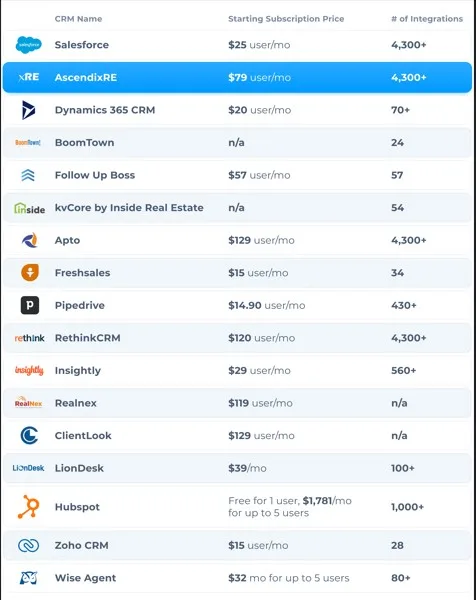
In today’s competitive real estate market, having an effective CRM for real estate investors is not just an advantage; it’s essential. Whether you’re a seasoned investor or just starting, the right real estate investing CRM can streamline your processes, enhance communication, and ultimately lead to better investment outcomes. In this guide, we’ll explore the best CRM options available, key features to consider, and tips for maximizing their potential.

What is a CRM for Real Estate Investors?

A Customer Relationship Management (CRM) system helps real estate investors manage interactions with potential buyers, sellers, and partners. It centralizes information, making it easier to track leads, manage properties, and maintain relationships. Furthermore, it provides analytics and insights that can guide investment strategies and improve decision-making.

Why Do You Need a Real Estate Investing CRM?

Here are some compelling reasons to consider implementing a CRM for real estate investors:

  • Streamlined Processes: Automate tasks like follow-ups and reminders, saving time and reducing the risk of human error.
  • Centralized Data: Access all your property and client information in one place, eliminating the chaos of spreadsheets and paper files.
  • Improved Communication: Facilitate better interactions with clients and stakeholders through organized contact histories and automated messaging.
  • Enhanced Tracking: Monitor your leads and investments with ease, ensuring you never miss an opportunity.
  • Data-Driven Insights: Analyze performance metrics to understand market trends and make informed investment decisions.

Best CRM for Real Estate Investors

Choosing the right CRM can be daunting. Here are some of the best CRM for investors available today:

1. HubSpot CRM

HubSpot offers a free version of its CRM, making it an attractive choice for real estate investors. With tools for tracking interactions, managing leads, and analyzing data, it’s perfect for investors looking to start without a significant upfront investment. You can explore more on HubSpot’s official site.

HubSpot CRM Interface

2. Real Geeks

Real Geeks specializes in real estate and provides comprehensive tools for lead generation and nurturing. Its user-friendly interface and integration with various platforms make it an excellent option for investors. Find out more at Real Geeks.

Real Geeks CRM

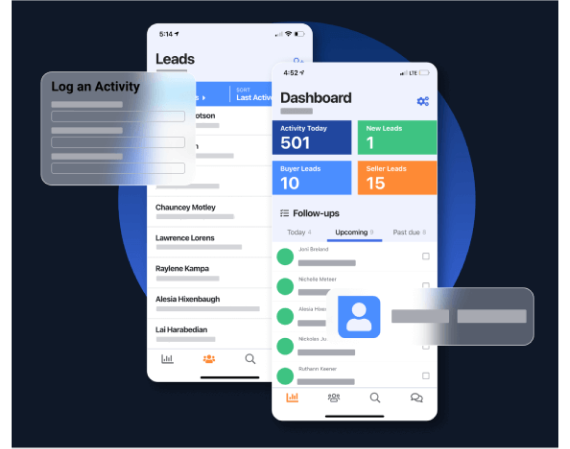
3. Follow Up Boss

This CRM is designed for real estate professionals and focuses on lead management and follow-ups. It’s particularly useful for those with large portfolios, allowing for efficient tracking of interactions. Learn more about it at Follow Up Boss.

Follow Up Boss CRM

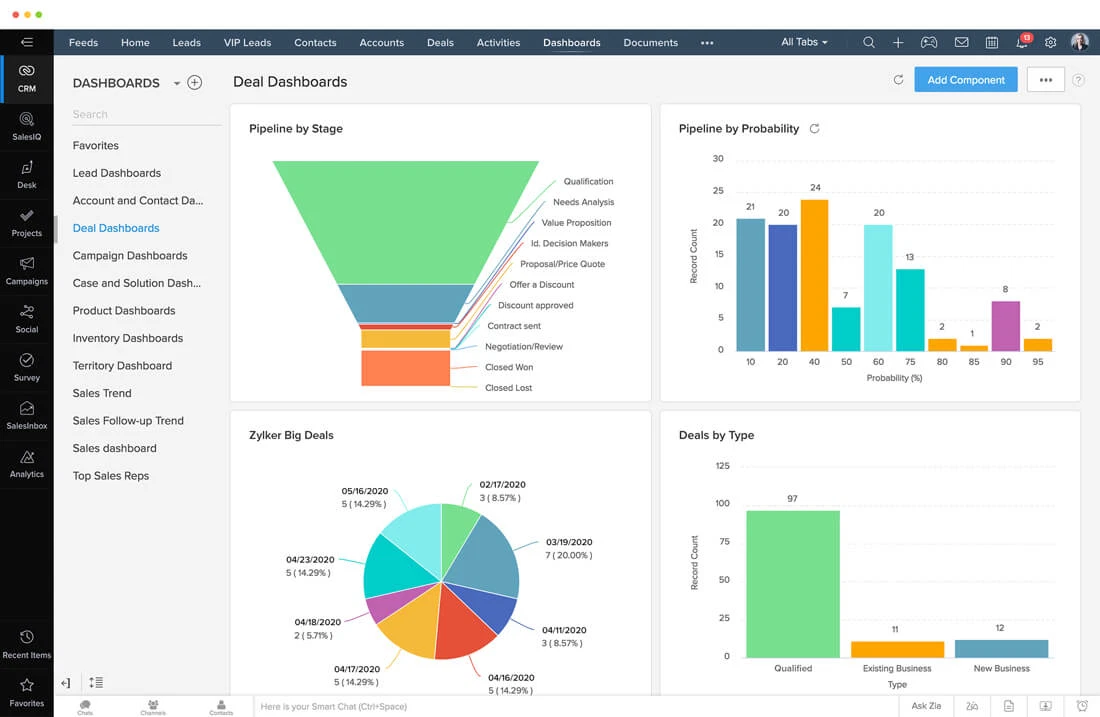
4. Zoho CRM

Zoho CRM is highly customizable and offers a range of features specifically designed for real estate professionals. With lead management, reporting, and integration capabilities, it’s suitable for investors of all sizes. Check out Zoho CRM’s official site for more information.

Zoho CRM Interface

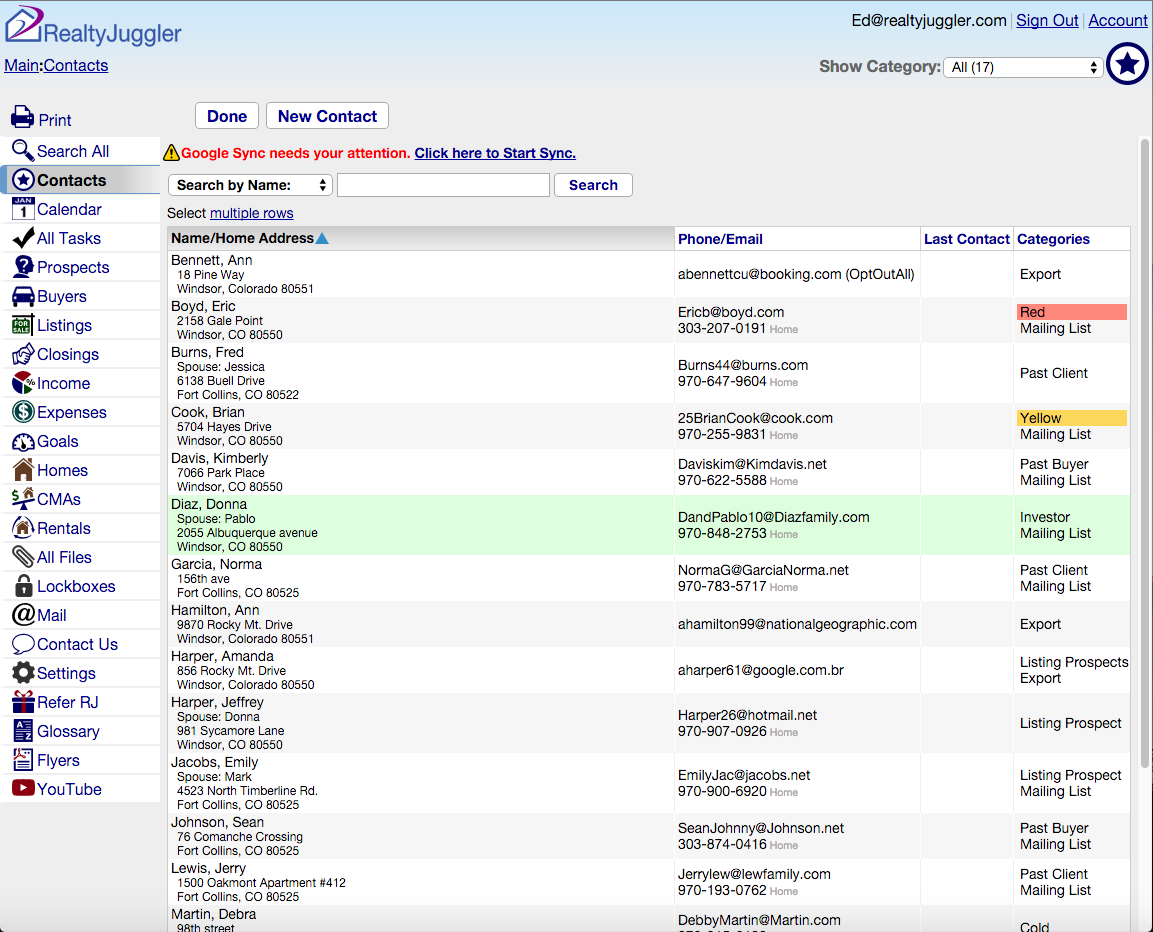
5. RealtyJuggler

RealtyJuggler is an affordable option that includes various features for managing contacts, properties, and transactions. It’s particularly beneficial for new investors looking to get started without breaking the bank. More details can be found at RealtyJuggler’s official site.

RealtyJuggler CRM

Key Features to Look for in Real Estate Investor CRM Software

When evaluating real estate investor CRM software, consider the following features:

  • Lead Management: Ability to track and nurture leads through the sales funnel, with tools for segmentation and targeting.
  • Task Automation: Automate repetitive tasks like email follow-ups and appointment scheduling to improve efficiency.
  • Reporting and Analytics: Insights into your investments and sales performance, allowing you to adjust strategies as needed.
  • Integration Capabilities: Compatibility with other tools you use, such as email marketing software and property management systems, to create a cohesive workflow.
  • Mobile Access: The ability to manage your CRM on-the-go with mobile-friendly applications.
  • Customization Options: Ability to tailor the CRM to your specific needs and workflows.
  • Support and Training: Access to customer support and training resources to help you maximize the use of the software.

How to Get Started with a Real Estate CRM

Getting started with a CRM can feel overwhelming, but following these steps can help:

  1. Define Your Goals: What do you want to achieve with the CRM? Better lead management? Improved communication?
  2. Choose the Right CRM: Research and select a CRM that meets your needs.
  3. Import Existing Data: If you have existing contacts or leads, import them into your new CRM to maintain continuity.
  4. Train Your Team: Ensure everyone understands how to use the system effectively. Consider workshops or online training sessions.
  5. Monitor and Adjust: Regularly review your use of the CRM and make adjustments as necessary. Use feedback from your team to improve processes.
  6. Utilize Resources: Take advantage of tutorials, forums, and customer support offered by the CRM provider to enhance your understanding.

Benefits of Using a CRM for Real Estate Investors

Implementing a CRM system offers numerous benefits:

  • Time Savings: Automating tasks allows you to focus on more critical aspects of your business, such as closing deals and networking.
  • Increased Productivity: Better organization leads to improved productivity, allowing you to manage more properties effectively.
  • Enhanced Customer Relationships: Keeping track of interactions fosters better relationships with clients, leading to higher satisfaction and retention rates.
  • Scalability: As your business grows, a CRM can adapt to your changing needs, ensuring you remain organized and efficient.
  • Better Insights: With comprehensive data analytics, you can identify trends and make data-driven decisions that enhance your investment strategy.
  • Lead Conversion: Effective lead management can result in higher conversion rates, meaning more successful transactions.

Challenges When Implementing a Real Estate CRM

While CRMs offer many benefits, challenges may arise:

  • Learning Curve: It can take time for your team to become proficient with the new system. Providing adequate training is crucial.
  • Data Migration: Transferring existing data into the new CRM can be complex, especially if the data is unorganized.
  • Cost: Some CRMs can be expensive, particularly for small investors. Budgeting appropriately is essential.
  • Overwhelm: The sheer number of features can be overwhelming. Focus on core functionalities that align with your immediate needs.
  • Resistance to Change: Employees may be resistant to adopting a new system. Clear communication about the benefits is essential.

FAQs About CRM for Real Estate Investors

1. What is the best CRM for real estate investors?

The best CRM often depends on your specific needs. HubSpot, Real Geeks, and Follow Up Boss are highly regarded options. Assess your requirements and budget to make an informed decision.

2. Can I use a general CRM for real estate investing?

While general CRMs can be adapted, real estate-specific CRMs offer features tailored to the industry’s needs, such as property management tools and integration with MLS systems.

3. How much does real estate investor CRM software cost?

Prices vary widely. Some offer free tiers, while others can range from $20 to several hundred dollars per month depending on the features offered.

4. Is CRM software worth it for small investors?

Yes! Even small investors can benefit from organized data, improved efficiency, and better customer relationships. The investment can lead to greater returns in the long run.

Real-Life Success Stories

Many real estate investors have transformed their businesses through effective CRM systems. For instance, John, a small investor, found that using a CRM allowed him to track leads efficiently. Before implementing a CRM, he struggled with disorganized notes and missed follow-ups, which often led to lost deals. Now, with automated reminders and organized data, he reports a 30% increase in his lead conversion rates.

Similarly, Sarah, a real estate agent managing a large portfolio, uses Follow Up Boss to maintain contact with her clients. The system’s tagging and segmentation features have helped her personalize her outreach, resulting in higher client satisfaction and repeat business. Stories like these showcase the potential of the right CRM system to drive success.

Future Trends in CRM for Real Estate Investing

As technology evolves, so too will the capabilities of CRMs tailored for real estate investors. Here are some future trends to watch:

  • Artificial Intelligence: AI integration can enhance lead scoring, predict market trends, and automate responses, making CRMs even more powerful.
  • Mobile Functionality: Increasingly, CRMs will focus on mobile capabilities, allowing investors to manage their business on-the-go. Mobile apps will provide access to real-time data and notifications, making it easier to stay connected.
  • Data Analytics: More advanced analytics features will help investors understand market dynamics and client behavior better. Predictive analytics can aid in decision-making by forecasting trends.
  • Social Media Integration: As social media continues to play a crucial role in real estate marketing, future CRMs may offer improved integration with platforms like Facebook and Instagram for lead generation.
  • Enhanced Security Features: With the increasing concern over data privacy, CRMs will likely incorporate more robust security measures to protect sensitive information.
  • Collaboration Tools: Features that enhance team collaboration, such as shared calendars and task management, will become more prevalent as remote work becomes standard.

Conclusion

Choosing the right CRM for real estate investors can significantly enhance your investment strategy. From lead management to automated follow-ups, the right tools can streamline your processes and drive success. Explore your options today and see how a tailored real estate investing CRM can transform your business!

For more insights into optimizing your real estate investing strategies, check out our services at MarketWiz.


CRM for Real Estate Investors: A Comprehensive Guide Read More »

Facebook Meta Subscription: Is it Worth It?

facebook-meta-subscription

With the increasing adoption of digital platforms for social connectivity, online marketing, and entertainment, companies are continually looking for ways to diversify their revenue streams and offer users a more enriched experience. Enter the Facebook Meta Subscription.


As the world of social media evolves and steps into the realm of virtual reality and augmented reality, Facebook’s transformation into ‘Meta’ has raised eyebrows and a lot of questions. One of the significant developments has been the introduction of a subscription model. But the pressing question is: Is it really worth the investment?


Understanding Facebook Meta Subscription:


Before diving into its worth, it’s crucial to understand what the Facebook Meta Subscription encompasses. Traditionally, Facebook’s primary revenue source has been advertisements. However, with Meta, Facebook aims to create a vast virtual world – the ‘Metaverse’. Within this digital universe, users will not only interact but also work, play, and create. The subscription model promises premium experiences, ad-free browsing, and exclusive content and tools.


Benefits of the Facebook Meta Subscription:


Ad-Free Experience: One of the most attractive features is the ad-free environment. For those weary of persistent ads disrupting their browsing or virtual experience, this subscription offers solace.


Exclusive Content: Meta subscription promises its subscribers a doorway to exclusive content, ranging from specialized virtual events, workshops, to unique game experiences.


Advanced Tools: For creators and businesses, the subscription provides access to sophisticated tools for building in the Metaverse, potentially offering a competitive edge.


Priority Support: No more waiting in long queues for a response to your query. Subscription members are likely to receive expedited support.


Considering the Cost-Benefit Analysis:


For the average user, the decision to invest in a Facebook Meta Subscription should hinge on a straightforward cost-benefit analysis. How much value does the subscription add to your digital experience? If you spend a significant amount of time on the platform, the ad-free experience alone might justify the cost. Add to that the exclusive content and tools, and it seems like a decent deal.


However, casual Facebook users, or those who use it purely for social interactions, might not find the additional features worth the price.


The Business Perspective:


For businesses, the Meta Subscription could be a game-changer. With Facebook being a vital marketing platform for many companies, the advanced tools and priority support can drastically enhance their online presence and customer interaction in the Metaverse. The premium tools might provide businesses with more sophisticated data analytics, enhanced ad creation tools, or even virtual storefront features in the Metaverse.


Potential Drawbacks:


While the benefits sound promising, there are potential pitfalls.


Dependence on the Platform: With a paid subscription, businesses and individuals might feel compelled to utilize the platform more, potentially overlooking other fruitful platforms or real-world interactions.


Privacy Concerns: Facebook (now Meta) has faced criticism over data privacy. With more immersive experiences and interactions, there could be heightened concerns about how data is used and who has access to it.


The Evolutionary Phase: The Metaverse is still in its nascent stages. Investing now means you’re betting on its success and widespread adoption, which, while likely, is not guaranteed.


Final Thoughts:


Is the Facebook Meta Subscription worth it? It boils down to individual needs and preferences.


For the avid user and Metaverse enthusiast: The immersive ad-free experience, coupled with exclusive content, makes it an appealing prospect.


For businesses: If you’re looking to be at the forefront of digital marketing and virtual storefronts, it might be a worthy investment.


For the casual user: It might be worth waiting and watching how the Metaverse evolves before committing to a subscription.


In this rapidly digitalizing world, one thing is certain: the Metaverse holds immense potential. Whether you choose to dive in headfirst with a subscription or test the waters before committing, it’s essential to stay informed and make choices that align with your digital goals.


What are your thoughts on the Facebook Meta Subscription? Let us know in the comments! And if you found this analysis helpful, consider sharing it with peers considering the dive into the Metaverse.

Facebook Meta Subscription: Is it Worth It? Read More »

The Indispensable Role of Local Online Marketplaces in 2023’s Business Landscape

OIG

In the past few years, businesses worldwide have realized the burgeoning significance of online visibility. As we steer through 2023, this realization is stronger than ever before. But with the vast expanse of the Internet, where should businesses anchor their presence to get the most mileage? The answer: Local Online Marketplaces.


Local online marketplaces are platforms or websites where local businesses can list their products, services, or offerings, serving a particular geographical area. Think of them as contemporary, digital versions of your local classified ads, but with broader reach, richer multimedia integration, and instant customer interaction. With the recent upsurge in support for local businesses, tapping into local marketplaces is more crucial than ever. Here’s why:


1. Hyperlocal Targeting


One of the most distinguishing features of local online marketplaces is their hyperlocal approach. Instead of broadcasting to a broad and potentially disinterested audience, businesses get to reach out to the people who matter: locals who are actively looking for products or services like theirs. This results in a higher conversion rate and ensures that marketing resources are efficiently utilized.


2. Cost-effective Marketing


Running ad campaigns on global platforms or investing in large-scale promotions can be prohibitively expensive for small to medium enterprises (SMEs). Local marketplaces offer a pocket-friendly alternative. They provide a platform for businesses to showcase their offerings at a fraction of the cost, sometimes even for free!


3. Trust and Credibility


When customers see a business listed on a well-regarded local marketplace, they immediately associate it with trust and credibility. There’s an inherent sense of reliability attached to businesses that are vetted and featured by local platforms. Moreover, local reviews and ratings further enhance the trustworthiness of a listed business.


4. SEO Benefits


Search engine optimization (SEO) is no longer an optional marketing strategy; it’s a necessity. Local online marketplaces can boost a business’s SEO efforts. When businesses get listed on these platforms, they often benefit from the marketplace’s already-established SEO ranking. This provides an additional channel for potential customers to find them.


5. Real-time Feedback


In the age of digital immediacy, feedback is gold. Many local online marketplaces allow customers to review and rate businesses. This not only helps businesses understand what they’re doing right (or wrong) but also provides a chance to engage with customers directly. A swift response to feedback can lead to improved customer relations and even crisis aversion.


6. Networking Opportunities


Beyond just serving as a platform for advertisements, many local online marketplaces also offer networking opportunities. They host local business events, webinars, or workshops. These events can be goldmines for businesses looking to expand their network, find collaborators, or simply learn from their peers.


7. Support Local Economy


There’s been a palpable shift in consumer consciousness towards supporting local businesses, further accentuated by the global events of the past years. By being active in local online marketplaces, businesses not only tap into this sentiment but also contribute to strengthening their local economy.


8. Seamless Integration with Social Media


Most local online marketplaces have realized the power of social media and offer seamless integration options. This means businesses can effortlessly share their marketplace listings on their social channels, thus amplifying their reach without additional effort.


9. Flexibility and Control


Local marketplaces offer businesses more control over their listings than global platforms. From deciding promotional strategies to adjusting pricing in real-time, businesses enjoy a greater degree of flexibility.


10. Keeping Up with the Times


Lastly, in 2023, where the digital landscape is ever-evolving, not leveraging platforms like local online marketplaces is akin to leaving money on the table. Consumers today expect businesses to be active online, and local marketplaces are a significant part of this ecosystem.


Conclusion


In conclusion, as we navigate the challenges and opportunities of 2023, it’s clear that local online marketplaces are more than just a ‘good-to-have’ – they’re a must. They offer businesses a unique blend of localized targeting, cost-effectiveness, and trust-building. If you’re a business owner and haven’t yet explored this avenue, now’s the time. Embracing local online marketplaces isn’t just about staying relevant; it’s about thriving in an increasingly digital world.


The Indispensable Role of Local Online Marketplaces in 2023’s Business Landscape Read More »

AI Valley: Pioneering the Future of Artificial Intelligence

OIG 83

AI Valley: Pioneering the Future of Artificial Intelligence


Welcome to the digital frontier of innovation and discovery – Welcome to AI Valley!


AI Valley isn’t just another tech website. It’s a focal point for enthusiasts, researchers, startups, and established companies to understand, explore, and grow in the sprawling landscape of Artificial Intelligence (AI). In this blog post, we’ll take you through the incredible facets of AI Valley and why it stands out in today’s tech-driven world.


1. A Repository of Knowledge


At the heart of AI Valley lies a commitment to sharing knowledge. The website offers a rich library of articles, research papers, case studies, and whitepapers. Whether you’re an AI newbie or a seasoned machine learning scientist, AI Valley provides insights that cater to all.


  • Tutorials & Courses: AI Valley’s curated set of tutorials and courses make learning about complex algorithms and neural networks as easy as pie.
  • Expert Interviews: Engage with views from the vanguards of AI. These exclusive conversations shed light on both the technical and ethical dimensions of AI’s future.

2. A Platform for Collaboration


One of the standout features of AI Valley is its emphasis on community and collaboration.


  • Forums & Discussions: AI practitioners from around the globe share their queries, solutions, and experiences. It’s a melting pot of ideas and solutions.
  • Project Showcases: Members can showcase their AI projects, gather feedback, and even find potential collaborators or investors.

3. Cutting-edge AI Tools & Resources


AI Valley isn’t just about discussions; it’s also a platform to access and use some of the latest AI tools and resources.


  • APIs & Libraries: Developers can get their hands on a plethora of tools to help with their projects. From TensorFlow integrations to custom machine learning libraries, it’s all there.
  • Datasets Galore: For AI, data is fuel. AI Valley offers a curated list of datasets across sectors like healthcare, finance, entertainment, and more.

4. News & Trends


With AI evolving rapidly, staying updated is crucial. AI Valley serves as a beacon for the latest:


  • Industry News: Know what the major players and startups are up to.
  • AI Events & Conferences: Never miss out on an opportunity to network and learn.

5. Ethical Considerations


AI Valley understands that with great power comes great responsibility. An entire section is dedicated to the ethics of AI. This encompasses discussions on privacy, bias in algorithms, job displacements due to AI, and more.


6. The AI Job Board


For those looking to venture into an AI-focused career or companies seeking top-tier talent, AI Valley’s job board is a gold mine. It connects companies with prospective employees, making the recruitment process smoother and more specialized.


In Conclusion


In an age where data is the new oil and AI its combustion engine, platforms like AI Valley are invaluable. They don’t just provide information; they build communities, foster growth, and ensure that as we move towards an AI-driven future, we do so with knowledge, ethics, and collaboration at the forefront.


If you haven’t visited AI Valley yet https://aivalley.ai, now is the time. Dive into this ecosystem and be part of the AI revolution!

AI Valley: Pioneering the Future of Artificial Intelligence Read More »

Merging 2 Facebook pages: Easiest Ways to Merge Facebook Pages

Facebook Pages

Do you have two Facebook pages for your business? Maybe you have one for your personal brand and one for your company. Or perhaps you have a page for your brick-and-mortar store and another for your online store. Whatever the reason, if you find yourself with two Facebook pages, you may be wondering how to merge them.


The good news is that it’s relatively easy to merge Facebook pages.


If you manage multiple Facebook pages for your business, you may want to consider merging them into one. This can make it easier to manage your pages and keep your audience engaged. There are a few different ways to merge Facebook pages, and the best method for you will depend on the number of likes and followers you have on each page. In this article, we’ll explore the different ways to merge Facebook pages and how to choose the best option for your business.


How to Merge Facebook Pages: The Easy Way


If you manage multiple Facebook pages for your business, you may have wondered if there is an easy way to merge them. The answer is yes! In this article, we will show you how to merge Facebook pages in just a few easy steps.


  1. First, log into the Facebook account that manages the page you want to keep.
  2. Go to the settings for that page and click on “Merge Pages” in the left-hand column.
  3. Enter the URL of the page you want to merge into the first page and click “Merge Pages” again.
  4. Confirm that you want to merge the pages by clicking “OK” when prompted.
  5. That’s it! Your pages will now be merged into one and all of your followers will be combined as well.
  6. Now, it’s important to have a strong presence on social media.
  7. Facebook is one of the most popular social media platforms with over 2 billion active users.
  8. If you have multiple Facebook pages for your business, you may be wondering how to combine them into one page.
  9. Here’s a step-by-step guide on how to combine Facebook pages:


How to Join Facebook Pages: The Easy Way


Join Facebook Pages


Whether you are an individual or a business, creating a Facebook page is easy and free. All you need is a valid email address and a profile picture. Once you have created your page, there are some simple ways to get more likes and followers.


The first step is to add a cover photo and profile picture. Make sure the cover photo represents your brand or business well. The next step is to fill out your “About” section. This is where you can tell people what your page is about, and why they should like it.


Once you have created your page and added some content, it’s time to start promoting it. The best way to do this is by inviting your friends and family to like the page. You can also promote your page on other social media platforms, or through online ads.


How to Keep Your Page Likes When Merging Facebook Pages


As a business owner, you may have created multiple Facebook pages over the years as your company has grown. Perhaps you have a page for each of your locations, or one for each type of product or service you offer. Now that you’re streamlining your social media presence, you may be wondering how to keep your page likes when merging Facebook pages.


Here are a few tips:


  1. Use Facebook’s Page Merge tool. This tool allows you to merge up to 5 Pages into one, while retaining all your Likes and check-ins.
  2. Notify your fans in advance that you’ll be merging Pages. This way, they can Like your new Page before the old one is taken down.
  3. Make sure to redirect any links to your old Pages to your new Page.

How to Avoid Losing Fans When Merging Facebook Pages


It’s no secret that social media is constantly changing. What works today may not work tomorrow, which is why it’s important for companies to stay ahead of the curve. One way to do this is by merging Facebook pages.


However, there are a few things to keep in mind before doing so. Here are some tips on how to avoid losing fans when merging Facebook pages:


  1. Make sure you’re clear about why you’re merging pages. If your fans don’t understand the reasoning behind it, they may be less likely to follow your new page.
  2. Give your fans plenty of notice before the merge happens. This way, they can adjust and make sure they don’t miss any of your content.
  3. Keep the same level of quality content on your new page.


What to Do Before You Merge Two Facebook Pages


If you’re looking to merge two Facebook pages, there are a few things you should do first. First, you need to make sure that the page names and profiles are similar enough that your fans will be able to find the new page easily. Second, you need to decide which page’s URL you want to keep – this is important for both SEO and branding purposes. Finally, you need to look at your content strategy and make sure that the content on both pages is complementary. Once you’ve done all these things, you’re ready to merge your pages!

What to Do During the Merging of Two Facebook Pages

If you’re one of the many people who have two Facebook pages – a personal page and a business page – you may be wondering what will happen when Facebook merges the two. Here’s what you need to know about the merging of two Facebook pages.


When you merge your Facebook pages, your personal page will become your primary page. This means that all of your followers will be moved to your primary page, and your business page will be deleted.


If you have important information on your business page that you don’t want to lose, make sure to save it before merging your pages. You can do this by downloading a copy of your information from Facebook.


Once you’ve downloaded a copy of your information, you can start the process of merging your pages. To do this, go to the settings menu on your personal page and click on “Merge Pages.


What to Do After Successfully Merging Two Facebook Pages


If you’ve successfully merged two Facebook pages, there are a few things you should do to ensure that everything is running smoothly.


First, check to see if all of the content from both pages has been transferred over to the new page. If not, you may need to manually add it.


Next, take a look at your page’s likes and followers. You may want to send out a post or email letting people know that you’ve merged your pages and encourage them to follow the new page.


Finally, update any links or buttons on your website or other social media platforms that point to your old Facebook page. Redirect them to your new page so that people can easily find all of your content in one place.


Answers to Readers’ Questions


  1. We know that many of our readers have questions about merging two Facebook pages. Here are some answers to frequently asked questions that may help you make a decision about whether or not to merge your pages.
  2. One common question we get is whether or not you will lose any data if you merge your pages. The answer is no – all of your data, including posts, photos, and messages, will be carried over to the new page
  3. Another question we often get is whether or not you can merge pages that have different names. The answer is yes – as long as the pages have similar content, you can merge them regardless of their name.
  4. Finally, people often wonder if they need to delete one of the pages after they merge them.


Why you would need to merge pages on Facebook — the scenarios


There are many reasons why you might need to merge pages on Facebook. For example, if you have two business pages with similar names or products, it might make sense to merge them into one page. This would make it easier for customers to find your page and also help you save time by only having to manage one page.


Another reason you might want to merge pages is if you have multiple personal Facebook pages. This can happen if you create a new page for a new job or move to a new city. Rather than managing multiple pages, you can merge them into one page and use the privacy settings to control who sees what information.


Finally, you might need to merge pages if your account has been hacked and someone has created a fake page using your name or information.

Merging 2 Facebook pages: Easiest Ways to Merge Facebook Pages Read More »

Why is TikTok good for advertising my small business?

small business

If you’re looking for a way to advertise your small business, TikTok may be a good option. Here’s why: TikTok has a large and engaged user base, it’s easy to use, and it’s relatively inexpensive. TikTok has over 500 million active users worldwide, which gives you a lot of potential customers to reach. The platform is also very easy to use – you can create quick videos using just your phone.


In recent years, TikTok has become one of the most popular social media platforms. It is a great platform for advertising your small business because it is extremely affordable, and you can reach a large audience. TikTok also allows you to be creative with your content, which makes it more engaging for users. Additionally, TikTok provides valuable insights into who your target audience is and what they are interested in.In a world where social media is constantly changing, it can be hard to keep up with the latest trends. However, one trend that has been taking over social media is TikTok.


TikTok is a short-form, video-sharing app that allows users to create and share 15-second videos, on any topic. While TikTok may seem like a silly app for teenagers, it can actually be really beneficial for small businesses.


How TikTok can help you reach a wider audience for your small business


If you’re a small business owner, you may be wondering how TikTok can help you reach a wider audience. Here are a few ways to use TikTok to your advantage:


  1. Use hashtags to reach new users. Hashtags are an important part of TikTok’s algorithm, so be sure to use relevant ones in your videos.


  1. Utilize TikTok’s duet feature. This allows you to create content with another user, which can help expose your brand to their followers.


  1. Take advantage of trends. Trends are always changing on TikTok, so it’s important to jump on them quickly. This will help you gain more exposure for your brand.


Using TikTok to advertised your small business: Tips and tricks


advertised your small business


Why TikTok is the perfect platform for advertising your small business


In today’s world, social media is one of the most powerful tools that businesses have at their disposal. With over 2 billion active users, it’s no surprise that platforms like TikTok are becoming increasingly popular among brands and businesses of all sizes.


So, what makes TikTok the perfect platform for advertising your small business? For starters, TikTok has a highly engaged user base. Over 60% of users say they use the app daily, spending an average of 52 minutes on the app each day. This provides businesses with a captive audience that can be reach with targeted ads and creative content.


Another reason why TikTok is such a great platform for small businesses is its low cost-per-impression (CPM). CPM is the cost that businesses pay for every 1,000 impressions their ad receives.


The advantages of using TikTok to advertise your small business


There are plenty of reasons to start using TikTok for your small business. For one, TikTok has a huge audience – over 800 million monthly active users, to be exact. That’s a lot of potential customers you could be reaching with your ads.


Plus, TikTok is known for its creative content. If you can create ads that are fun and engaging, you’ll likely see better results than if you were to run ads on other platforms that are more serious in tone.


Finally, TikTok offers some unique advertising features that you can take advantage of to further boost your reach and engagement. For example, with “brand takeovers” you can take over the app’s homepage or search page for a day to promote your business to everyone who opens the app.

Why is TikTok good for advertising my small business? Read More »

How do I make money off Facebook Marketplace?

Facebook Marketplace

Facebook Marketplace is a great way to make some extra money. You can sell items that you no longer need or want, and you can also browse for items that you may be interested in purchasing. Here are a few tips on how to make the most of Facebook Marketplace:


  1. Take good quality photos of your items. This will help them to stand out from the crowd and attract potential buyers.
  2. Write clear and concise descriptions of your items.


Facebook Marketplace is a great way to make some extra money. You can sell items you no longer need or even offer services such as yard work or dog walking. To get started, simply take a few photos of what you have to sell, write a brief description, and post it to Marketplace. You can also set a price and negotiate with buyers. Once you’ve reached an agreement, arrange a time and place to meet so you can exchange the item for cash.Facebook Marketplace is a feature of the social media platform Facebook that allows users to buy and sell items within their local communities.


There are a few things users can do to make money off Facebook Marketplace. First, they can take advantage of the platform’s large user base by offering items for sale that are in high demand. Second, they can research prices of similar items before listing their own item for sale in order to ensure they are getting a fair price.


What Is Facebook Marketplace


Facebook Marketplace is a feature on the Facebook website that allows users to buy and sell items within their local community. It is similar to other online marketplace websites, such as eBay and Amazon, but with a few key differences. For one, all transactions take place within Facebook itself, meaning that buyers and sellers never have to leave the site to complete a sale.


This makes it a convenient option for those who are already familiar with using Facebook and are comfortable completing transactions within the site. Additionally, Facebook Marketplace offers a more personal touch than other online marketplaces, as it allows buyers and sellers to connect with one another and build relationships before completing a sale.


How To Sell on Facebook Marketplace


Sell on Facebook Marketplace


Create Facebook Marketplace account and start selling


If you’re looking to buy or sell items on Facebook, you’ll need to create a Marketplace account. Here’s a step-by-step guide on how to do it:


  1. Open the Facebook app on your iPhone or Android device and log in.
  2. Tap the three lines in the bottom-right corner of the screen (this will open up the menu).
  3. Scroll down and tap “Marketplace.”
  4. On the next screen, tap “Create an account.”
  5. Enter your name, email address, and password, then tap “Sign Up.”
  6. Once you’ve created your account, you can start listing something of your own for others to buy.


Another option is to create and sell your own products or services through your Facebook page. This could be anything from physical goods to digital products like e-books or courses. If you have a large following, you can likely charge more for your products or services and make a decent profit.


Influencer Marketing on Facebook


If you’re looking to make money with influencer marketing on Facebook, you’re in luck. There are a number of ways to do this, and we’ll outline a few of the most popular methods below.


One way to make money with influencer marketing on Facebook is to work with brands as an influencer. You can promote their products or services on your page, and in return, they’ll pay you a commission for each sale that you generate.

Sell From Your Facebook Fan page


If you want to make money with your Facebook fan page, there are a few things you can do. First, you can sell products or services directly from your page. You can also use your page to drive traffic to your website or blog, where you can then sell products or services. Finally, you can use your page to build an email list of potential customers who you can then sell products or services to.


Facebook Group


Facebook groups are a great way to make money. You can create a group for any topic, and people will join if they’re interested in that topic. Once you have a group of people, you can start monetizing the group in various ways.


One way to make money with a Facebook group is to charge for membership. This is especially effective if your group is focused on a niche topic that people are willing to pay for. You can also run ads in your group or promote products and services that you’re an affiliate for.Another way to make money with a Facebook group is to sell products and services directly to members of the group. This can be anything from digital products like ebooks and courses, to physical products like t-shirts and mugs.


Reselling Land


With over two billion active users, Facebook is a powerful tool that you can use to make money. You can do this by reselling land.


There are a few things to keep in mind when you’re reselling land on Facebook. First, you need to find a piece of land that you can resell. This can be done by searching for unclaimed land or finding a piece of property that is for sale.


Once you find a piece of land that you want to resell, the next step is to find potential buyers. You can do this by creating a post on Facebook and including pictures and information about the land. Be sure to include your contact information so that interested buyers can reach out to you.


Finally, once you’ve found a buyer, it’s important to close the deal quickly and efficiently.


Make Money on Facebook Hosting Events


You can make money on Facebook by hosting events. You can use Facebook to promote your event and sell tickets. You can also use Facebook to sell products or services related to your event.To make money on Facebook with hosting events, you need to have a plan. First, you need to decide what type of event you want to host. There are many different types of events you can host on Facebook, such as conferences, workshops, and classes.


Once you have decided what type of event you want to host, you need to create a budget. This budget should include the cost of renting a space, advertising your event, and buying supplies.After you have created a budget, you need to start promoting your event. You can promote your event by creating a Facebook page for it and inviting people to like it.


Facebook Jobs


If you’re looking to make money on Facebook, one option is to sign up for Facebook Jobs. With this program, you can work from home and get paid to post on Facebook.To sign up for Facebook Jobs, simply go to the Facebook website and click on the link at the bottom of the page labeled “Work From Home.” Once you click on this link, you’ll be taken to a page where you can enter your information and start applying for jobs.


There are a variety of jobs available through Facebook Jobs, so you should be able to find something that suits your skills and interests. And since you’ll be working from home, you’ll be able to set your own hours and work as much or as little as you want.


So if you’re looking for a way to make money on Facebook, be sure to check out Facebook Jobs.

Facebook Gaming


Facebook Gaming is a great way to make money on Facebook. You can use Facebook Gaming to monetize your existing Facebook page or create a new one specifically for gaming.There are a few different ways to make money on Facebook through gaming. You can charge people to access your games, run ads during gameplay, or sell in-game items.


Charging people to access your games is the most straightforward way to make money on Facebook through gaming. You can set up a paywall for your games so that only people who pay can play them. This is a great way to generate revenue if you have popular games.


Running ads during gameplay is another way to make money on Facebook through gaming. You can place ads in strategic locations so that they are seen by players while they are playing. This is a great way to generate ad revenue if you have high traffic games.


Facebook Live Streaming


Facebook Live is a great way to connect with your audience in real-time. You can use it to stream events, give presentations, or just chat with your fans. And the best part is that you can make money with Facebook Live.


Here are a few ways you can make money with Facebook Live:


  1. Sell products or services: You can use Facebook Live to sell products or services. Just set up a camera and start streaming. You can promote your products in the stream, and take orders through the comments section.
  2. Offer consulting services: If you’re an expert in your field, you can offer consulting services on Facebook Live. Just charge by the minute and give advice to people who need it.
  3. Teach a class: If you have knowledge that others would find valuable, you can teach a class on Facebook Live.


What to sell on Facebook


  1. Do you have a product or service that you want to sell on Facebook? If so, there are a few things to consider before setting up your Facebook shop.
  2. First, think about your target audience. Who are you trying to reach with your products or services? Once you know who your target audience is, you can start creating content that appeals to them.
  3. Keep in mind that people use Facebook to connect with friends and family, so make sure your content is engaging and interesting. No one wants to be bombarded with sales pitches, so strike a balance between selling and providing value.
  4. Another thing to consider is what platforms you want to sell on. There are a few different options when it comes to selling on Facebook, so choose the one that best fits your needs.


Where to source products to sell on Facebook


If you’re looking to source products to sell on Facebook, there are a few things you need to consider. First, you need to find a supplier that can provide you with quality products at a competitive price. You also need to make sure that the products you select are in demand and will appeal to your target market.Once you’ve found a few potential suppliers, it’s important to compare their prices and shipping costs. You’ll also want to read reviews of their products and services before making a final decision. By taking the time to do your research, you can be sure you’re getting the best possible deal on the products you want to sell.


How to list Product


Why not list your items on Facebook Marketplace? It’s a great way to clear out your home and make some extra cash. Here’s a quick guide on how to list your items on Facebook Marketplace:


  1. First, take some photos of the items you want to sell. Make sure they’re clear and show the item in its best light.
  2. Next, create a new listing in the Marketplace section of Facebook. Include a brief description of the item, as well as the price you’re asking for it.
  3. Once your listing is live, people will start messaging you if they’re interested in buying your item. Field any questions they have and arrange a time and place for them to pick up the item.


When is the best time to list your product on Facebook Marketplace?


The answer may depend on what you’re selling. For example, if you’re selling clothes, listing them in the winter may not be the best idea since people are generally looking for summer clothes at that time. However, if you have seasonal items that people are only looking for at certain times of year, it’s important to list them when people are actually searching for them.


Here are a few general tips:


  • List items when they’re most likely to sell. This means considering both the season and any holidays that might be coming up.
  • Don’t list too many items at once. You want your items to stand out, so listing too many at once can be overwhelming for potential buyers.
  • Check out other similar listings to see when they were posted and how long they’ve been up.


How much can you make selling on Marketplace?


If you’re thinking of selling on Marketplace, you may be wondering how much money you can make. The answer depends on a few factors, including the type of product you’re selling, and the price point you set.Generally speaking, most sellers on Marketplace make somewhere between $5 and $10 per sale. However, it’s not uncommon for top sellers to make upwards of $20 or even $30 per sale.Of course, the amount of money you ultimately make will depend on how many products you sell. If you’re able to sell just a few items per week, your earnings will be relatively low.


But if you can manage to sell dozens or even hundreds of items per week, your earnings could reach into the thousands of dollars.


Is Facebook Marketplace a good place to sell?


Facebook Marketplace is a great place to sell your unwanted items. It’s easy to use and you can reach a large audience with little effort. There are some things to keep in mind, however, when selling on Facebook Marketplace.


First, be sure to take good photos of your items. This will help potential buyers see what they’re interested in and make a decision. Second, be clear and concise in your descriptions. Include all relevant information such as condition, size, price, etc.Third, be responsive to questions and inquiries from potential buyers. If you’re quick to answer their questions, they’re more likely to buy from you. Finally, don’t forget to ship your items promptly after they sell. Buyers expect fast shipping and will be disappointed if you don’t deliver.


Overall, Facebook Marketplace is a great place to sell your unwanted items.


Top selling items on Facebook Marketplace 2022


In the past few years, Facebook Marketplace has become increasingly popular as a place to buy and sell items. As we head into 2022, here are some of the top selling items on Facebook Marketplace:


Clothing and accessories


With a huge selection of clothes and accessories available on Marketplace, it’s no surprise that these are some of the top selling items. Whether you’re looking for a new outfit for a night out or just some everyday basics, you’re sure to find what you’re looking for on Marketplace.


Home decor


From furniture to art, home decor is always a popular category on Marketplace. If you’re looking to spruce up your space or find some unique pieces to add to your collection, be sure to check out the home decor section on Marketplace.


Electronics


Electronics are always in high demand on Marketplace.With the increasing popularity of online marketplaces, it is no surprise that electronics are one of the top selling items on Facebook Marketplace. With a wide variety of products available and a growing number of people using the platform to buy and sell items, electronics are a hot commodity.


There are a few reasons why electronics are so popular on Facebook Marketplace. First, there is a wide range of products available, from phones and laptops to gaming consoles and TVs. Second, people are increasingly comfortable buying and selling items online, and Facebook Marketplace is a convenient platform to do so. Finally, prices for electronics are often negotiable on Facebook Marketplace, which makes it a great place to find deals on sought-after products.


Sports & Fitness equipment


With over 2 billion monthly users, Facebook has become a go-to marketplace for many people. And when it comes to buying and selling sports equipment, it’s no different.


There are a few things to keep in mind when selling sports equipment on Facebook Marketplace. First, take clear and well-lit photos of your items. Second, write detailed descriptions of each item, including size, condition, and any relevant details. Finally, price your items fairly—you don’t want to scare away potential buyers with high prices, but you also don’t want to undervalue your items.With these tips in mind, let’s take a look at some of the most popular sports equipment items that are selling on Facebook Marketplace right now.


Pet Supplies


A new study shows that the top selling item on Facebook Marketplace is pet supplies. This is a significant finding because it indicates that people are using the platform to sell products that they are passionate about.


The study, conducted by social media research firm Gartner, found that pet supplies were the most popular item sold on Facebook Marketplace in the United States. This is likely due to the fact that many people use the platform to buy and sell products related to their hobbies and interests.This finding is significant because it highlights the potential of Facebook Marketplace as a platform for small businesses and entrepreneurs. With over 2 billion active users, the platform provides a vast audience for sellers to reach.


If you’re looking to start selling on Facebook Marketplace, pet supplies is a great niche to consider.


Office Supplies


Office Supplies Top selling item on Facebook Marketplace. With the COVID-19 pandemic raging on, people are spending more time at home than ever before. And as a result, office supplies are becoming one of the top selling items on Facebook Marketplace.Whether it’s a new desk to set up a home office, or just some pens and paper to keep the kids occupied, office supplies are in high demand right now. And because Facebook Marketplace is such a convenient way to buy and sell items, it’s become one of the go-to places for people looking for deals on office supplies.


Office Supplies are the top selling item on Facebook Marketplace. This is due to the fact that they are needed by everyone who uses Facebook and they are very affordable. Office Supplies sell for an average of $5 on Facebook Marketplace. The most popular Office Supply is the pencil. Pencils sell for an average of $0.50 on Facebook Marketplace.


Facebook Marketplace is a great way to sell items online. But who should sell on Facebook Marketplace?


There are a few things to consider when deciding who should sell on Facebook Marketplace.


Non-Physical product


First, you need to think about what you’re selling. If you’re selling products that are physical objects, you’ll need to take pictures of the items and list them for sale. You’ll also need to ship the items to the buyers.If you’re selling digital products, such as e-books or software, you can upload them for sale on Facebook Marketplace. Buyers will be able to download the products after they purchase them.Another thing to consider is whether or not you want to offer customer support for the products you’re selling. If you’re selling physical products, you might need to provide customer support in case there are any problems with the product.


Animals


There are many animals that should not be sold on Facebook. Some of these animals are illegal to sell, and others are simply not suited for life in captivity. Here are some animals that you should not sell on Facebook:


  1. Tigers: It is actually illegal to sell tigers in the United States. These majestic creatures belong in the wild, not in people’s backyards.
  2. Bears: Like tigers, bears are also illegal to sell in the United States. They are far too dangerous to be kept as pets and can easily injure or kill people if they feel threatened.
  3. primates: Monkeys, apes, and other primates can carry diseases that can be passed on to humans, so it is best to avoid selling them altogether. Additionally, they require a lot of care and attention that most people are simply not able to provide.


Services


There are a few types of services that you should not sell on Facebook. These include:


  1. Services that are not allowed on Facebook: There are certain types of services that are not allowed to be advertised or sold on Facebook. This includes anything that is illegal, promotes violence, or is considered to be spam. If you try to sell these kinds of services on Facebook, your account could be suspended or even banned.
  2. Services that are not popular on Facebook: There are some services that just aren’t very popular on Facebook. For example, if you’re trying to sell a business service like website design, you might have better luck elsewhere since most people use Facebook for personal reasons.
  3. Services that require too much explanation: Some services are just too complicated to explain in a short Facebook post or ad.


Alcohol


As of now, Facebook does not allow the sale of alcohol on their site. This is due to the fact that alcohol is a regulated substance and there are laws in place regarding its sale. However, some people have found ways to get around this by selling alcohol-related products, such as wine glasses or beer mugs.This is not allowed and Facebook is cracking down on these types of posts. If you are caught selling alcohol on Facebook, your account could be suspended or even deleted. So, it’s best to just avoid selling alcohol altogether on the site.


Products that are illegal or heavily regulated


This includes things like drugs, weapons, and other items that are tightly controlled by the government. If you try to sell these things on Facebook, you could get into a lot of trouble with the law.


Stolen goods


Obviously, selling stolen merchandise is a bad idea. Not only is it illegal, but it’s also morally wrong. If you’re caught selling stolen goods on Facebook, you could be banned from the site and potentially face legal charges.


Counterfeit items


Selling fake products is also against the law in many cases. In addition, it’s unfair to consumers who think they’re buying a genuine product only to find out later that it’s a knock-off.

How do I make money off Facebook Marketplace? Read More »

Scroll to Top