
Market Wiz AI

Market Wiz

With ingenious automation fused with human dedication 24/7, Market Wiz puts the local marketing competition on notice – they’ve created a new standard operating system for dominating every digital front.All-Platform Compatibility: Facebook, Craigslist, Google, you name it. This system plays well with all the big players, ensuring your ads are everywhere they need to be.The Cherry on Top: There's a ton more under the hood, each feature adding more muscle to your marketing efforts.Bottom line: Market Wiz.ai isn’t just another tool; it’s your 24/7 digital marketing powerhouse. In the world of local advertising, it's the smartest move you’ll make.Market Wiz automates your online ads.|

How Do I Advertise My Furniture Store?
797486001636404480 png
How Do I Advertise My Furniture Store?

How Do I Advertise My Furniture Store?

Unlock effective advertising strategies to boost your furniture selling business and reach more customers.

Furniture Store Display

Introduction

Advertising your furniture store effectively is essential for attracting customers and increasing sales. In a competitive market, implementing strategic marketing techniques can set your business apart and drive more traffic to your store. Whether you're a new furniture retailer or looking to expand your existing business, understanding how to advertise your furniture store is crucial for long-term success.

This comprehensive guide explores various methods to advertise your furniture store, including online advertising, social media marketing, innovative furniture marketing ideas, and leveraging partnerships with furniture manufacturers. By adopting these strategies, you can enhance your store's visibility, engage with potential customers, and ultimately boost your sales.

For a foundational understanding of starting your furniture business, refer to our guide on How to Start a Mattress Business. *(Note: Replace this link with the appropriate furniture business guide if available)*

How Do I Advertise My Furniture Store Online?

Online advertising offers a multitude of opportunities to reach a broader audience and drive sales for your furniture store. By leveraging digital platforms, you can target specific demographics, measure the effectiveness of your campaigns, and adjust strategies in real-time to maximize ROI.

Online Advertising for Furniture Store

Key Online Advertising Strategies

  1. Search Engine Marketing (SEM): Utilize platforms like Google Ads to create targeted pay-per-click (PPC) campaigns. By bidding on relevant keywords such as "buy furniture online" or "best furniture store," you can increase your store's visibility in search engine results.
  2. Social Media Advertising: Platforms like Facebook and Instagram offer robust advertising tools that allow you to target users based on their interests, behaviors, and demographics. Use visually appealing ads showcasing your furniture range and special promotions to attract potential customers.
  3. Display Advertising: Place banner ads on relevant websites and online forums frequented by your target audience. This increases brand awareness and drives traffic to your online store.
  4. Email Marketing: Build an email list of interested customers and send out regular newsletters featuring new products, discounts, and exclusive offers. Personalized email campaigns can significantly enhance customer engagement and loyalty.
  5. Affiliate Marketing: Partner with bloggers, influencers, and other websites to promote your furniture. Affiliates earn a commission for every sale they generate, providing an incentive to drive more traffic to your store.

For more insights on enhancing your online advertising efforts, check out our article on Facebook Marketing.

How Do I Advertise My Furniture Store on Instagram?

Instagram is a powerful platform for visually-driven advertising, making it ideal for showcasing your furniture store's products and engaging with potential customers. With over a billion active users, Instagram provides extensive reach and diverse advertising options tailored to your business needs.

Instagram Advertising for Furniture Store

Effective Instagram Advertising Techniques

  1. High-Quality Visual Content: Post high-resolution images and videos of your furniture, highlighting their features, craftsmanship, and design. Utilize Instagram Stories and Reels to showcase behind-the-scenes footage and customer testimonials.
  2. Targeted Ads: Use Instagram's ad targeting features to reach specific demographics, such as age groups, locations, and interests related to home decor and interior design.
  3. Influencer Collaborations: Partner with Instagram influencers who resonate with your target audience. Influencers can create authentic content featuring your furniture, expanding your reach and building trust with their followers.
  4. Instagram Shopping: Enable Instagram Shopping on your profile to allow users to purchase furniture directly through the app. Tag your products in posts and stories to streamline the buying process.
  5. Engaging Captions and Hashtags: Craft compelling captions that encourage interaction and use relevant hashtags like #FurnitureStore, #HomeDecor, and #InteriorDesign to increase the discoverability of your posts.

To optimize your Instagram advertising campaigns, explore our Social Media Pro services, designed to elevate your social media marketing efforts.

Furniture Marketing Ideas

Innovative marketing ideas can help your furniture store stand out in a crowded market. By implementing creative strategies, you can attract more customers, enhance brand loyalty, and increase sales.

Creative Furniture Marketing Ideas

Top Furniture Marketing Ideas

  1. Host Design Workshops: Organize workshops or webinars focused on interior design trends, space optimization, and furniture selection. This positions your store as an authority in home decor and engages potential customers.
  2. Offer Free Design Consultations: Provide customers with free design consultations to help them choose the right furniture pieces for their spaces. Personalized assistance can encourage purchases and build customer loyalty.
  3. Referral Programs: Implement a referral program where existing customers can earn discounts or rewards for referring new customers to your store.
  4. Seasonal Promotions: Run special promotions during peak seasons like spring cleaning, holidays, and summer sales. Offer bundle deals, discounts, or limited-time offers to boost sales.
  5. Content Marketing: Create valuable content such as blog posts, videos, and infographics that educate customers about different types of furniture, styling tips, and maintenance guides. This enhances SEO and attracts organic traffic.
  6. Local SEO: Optimize your online presence for local search to attract customers in your area. Ensure your store appears in local directories and maps by using services like Google Local SEO.
  7. Customer Testimonials: Showcase positive reviews and testimonials from satisfied customers on your website and social media platforms. Authentic feedback builds trust and credibility.
  8. Collaborate with Interior Designers: Partner with local interior designers to recommend your furniture to their clients. This can expand your reach to a new customer base interested in home improvement.
  9. Virtual Showroom: Create a virtual showroom experience on your website where customers can explore different furniture models, features, and prices from the comfort of their homes.
  10. Eco-Friendly Initiatives: Promote eco-friendly and sustainable furniture options to attract environmentally conscious consumers. Highlight your commitment to sustainability in your marketing messages.

For more creative marketing strategies, visit our blog post on Furniture Marketing Ideas.

Furniture Firm

Furniture Firm is one of the leading furniture retailers in the United States, known for its wide selection of furniture and strong marketing strategies. Understanding how Furniture Firm advertises its products can provide valuable insights for your own furniture store advertising efforts.

Furniture Firm Storefront

Key Advertising Strategies Used by Furniture Firm

  1. Extensive TV Advertising: Furniture Firm invests heavily in television commercials to reach a broad audience. Their ads emphasize comfort, quality, and affordability, effectively communicating their value proposition.
  2. Local Store Marketing: They implement local store marketing tactics, including community events and partnerships with local businesses, to build strong relationships within their communities.
  3. Online Presence: Furniture Firm maintains a robust online presence through their website, social media channels, and online advertising. They utilize SEO and SEM strategies to ensure their website ranks high in search results.
  4. Customer Loyalty Programs: They offer loyalty programs and incentives to encourage repeat business and customer retention.
  5. In-Store Promotions: Furniture Firm frequently runs in-store promotions and discounts to attract foot traffic and boost sales during peak shopping periods.

By analyzing Furniture Firm's advertising strategies, you can adopt similar tactics tailored to your furniture store's unique needs and target audience.

To implement effective local marketing strategies, explore our services on Local Legends Online Course.

How to Start a Furniture Business

Starting a furniture business requires careful planning, market research, and strategic advertising to establish a strong presence in the competitive retail landscape. Here’s a step-by-step guide to help you launch and grow a successful furniture selling business.

Starting a Furniture Business

Steps to Start Your Furniture Business

  1. Conduct Market Research: Analyze the furniture market to understand demand, competition, and target demographics. Identify gaps in the market that your business can fill.
  2. Create a Business Plan: Develop a comprehensive business plan outlining your business goals, target market, product offerings, pricing strategy, and financial projections.
  3. Secure Funding: Determine your startup costs and secure funding through loans, investors, or personal savings to finance your business operations.
  4. Choose a Business Model: Decide whether you want to operate a physical store, an online store, or a combination of both. Each model has its own set of advantages and challenges.
  5. Source Quality Products: Partner with reputable furniture manufacturers to ensure you offer high-quality products that meet customer expectations.
  6. Establish an Online Presence: Develop a professional website and leverage e-commerce platforms to reach a wider audience. Utilize SEO and online advertising to drive traffic to your site.
  7. Implement Effective Marketing Strategies: Use a mix of digital and traditional marketing techniques to promote your business. Focus on branding, social media marketing, email campaigns, and local advertising.
  8. Provide Excellent Customer Service: Ensure a seamless shopping experience by offering knowledgeable staff, easy return policies, and responsive customer support.
  9. Monitor and Adapt: Continuously track your business performance and adapt your strategies based on market trends and customer feedback.

For detailed insights on starting your furniture business, refer to our guide on How to Start a Mattress Business. *(Note: Replace this link with the appropriate furniture business guide if available)*

Furniture Advertisement Poster

Creating an effective furniture advertisement poster can significantly impact your store's visibility and attract potential customers. A well-designed poster communicates your brand message, showcases your products, and highlights special offers in a visually appealing manner.

Furniture Advertisement Poster

Design Tips for an Effective Furniture Advertisement Poster

  1. Clear and Concise Messaging: Use short, impactful statements that clearly convey the benefits of your furniture. Highlight key features such as comfort, durability, and affordability.
  2. High-Quality Images: Incorporate high-resolution images of your furniture to showcase their design and quality. Use lifestyle images that depict comfortable living environments.
  3. Brand Consistency: Ensure your poster aligns with your brand's color scheme, fonts, and overall aesthetic to maintain consistency across all marketing materials.
  4. Prominent Call-to-Action (CTA): Include a strong CTA like "Visit Us Today," "Shop Now," or "Limited Time Offer" to encourage immediate action from viewers.
  5. Contact Information: Clearly display your store's contact details, including address, phone number, and website, to make it easy for potential customers to reach you.
  6. Special Offers and Discounts: Highlight any ongoing promotions, discounts, or special deals to attract more customers and incentivize purchases.

For professional design assistance, consider using our AI Web Design Pro service to create stunning advertisement posters tailored to your brand.

Furniture Selling Business

Running a successful furniture selling business involves more than just stocking a variety of furniture pieces. It requires strategic planning, effective marketing, excellent customer service, and continuous adaptation to market trends. Here’s how you can excel in the furniture selling business:

Running a Furniture Selling Business

Key Components of a Successful Furniture Selling Business

  1. Diverse Product Range: Offer a wide selection of furniture catering to different preferences and budgets. Include options like sofas, dining tables, beds, and storage solutions to appeal to a broad customer base.
  2. Competitive Pricing: Price your products competitively while ensuring profitability. Offer flexible payment options and financing plans to make your furniture more accessible to customers.
  3. Strong Online Presence: Develop a user-friendly website with e-commerce capabilities. Optimize it for SEO to attract organic traffic and implement online advertising strategies to reach potential customers.
  4. Exceptional Customer Service: Train your staff to provide knowledgeable and friendly assistance. Offer personalized recommendations based on customer needs and preferences.
  5. Effective Marketing Strategies: Utilize a mix of digital and traditional marketing techniques to promote your business. Focus on building a strong brand presence through social media, email marketing, and local advertising.
  6. Customer Reviews and Testimonials: Encourage satisfied customers to leave reviews and share their experiences. Positive testimonials can build trust and attract new customers.
  7. Regular Promotions and Discounts: Run regular promotions, seasonal sales, and special discounts to boost sales and attract price-sensitive customers.
  8. Partnerships and Collaborations: Collaborate with local businesses, interior designers, and real estate agents to expand your reach and tap into new customer segments.
  9. Inventory Management: Maintain an efficient inventory management system to ensure you have adequate stock levels and can meet customer demand without overstocking.
  10. Continuous Improvement: Stay updated with industry trends, customer preferences, and technological advancements. Continuously refine your strategies to stay competitive and meet evolving market demands.

To streamline your business operations and enhance marketing efforts, explore our AI Web Design Pro services.

Furniture Manufacturers

Partnering with reputable furniture manufacturers is essential for ensuring the quality and variety of products you offer in your furniture store. Understanding the role of furniture manufacturers and how to collaborate with them can significantly impact your business's success.

Furniture Manufacturing Process

Benefits of Partnering with Furniture Manufacturers

  1. Quality Assurance: Reputable manufacturers adhere to strict quality standards, ensuring that the furniture you sell is durable, comfortable, and meets customer expectations.
  2. Product Variety: Manufacturers offer a diverse range of furniture types, materials, and designs, allowing you to cater to different customer preferences and needs.
  3. Competitive Pricing: Establishing strong relationships with manufacturers can lead to better pricing, bulk discounts, and favorable payment terms, enhancing your profit margins.
  4. Exclusive Products: Collaborate with manufacturers to offer exclusive or customized furniture options, giving your store a unique selling proposition.
  5. Marketing Support: Many manufacturers provide marketing materials, training, and support to help you effectively promote and sell their products.
  6. Supply Chain Efficiency: Reliable manufacturers ensure timely production and delivery, minimizing inventory shortages and ensuring smooth business operations.

To find the best furniture manufacturers for your store, consider factors such as their product quality, reputation, pricing, and support services. Building strong partnerships with manufacturers can drive your furniture selling business forward.

For more information on optimizing your supply chain, check out our article on AI Web Design Pro.

Conclusion

Advertising your furniture store effectively is pivotal to attracting customers and driving sales in a competitive market. By leveraging online advertising, utilizing social media platforms like Instagram, implementing creative marketing ideas, and partnering with reputable furniture manufacturers, you can establish a strong presence and grow your furniture selling business.

Remember to continuously adapt your advertising strategies based on market trends and customer feedback to ensure sustained success. Investing in strategic marketing efforts will not only enhance your store's visibility but also build lasting relationships with your customers, fostering loyalty and repeat business.

Ready to take your furniture store advertising to the next level? Explore our range of services designed to boost your marketing efforts and drive sustained growth.

Frequently Asked Questions

Can I create free ads for my furniture store?

Yes, many platforms offer the option to create free ads for your furniture store, allowing you to list your products without any initial costs. This is an excellent way to gain visibility and attract potential customers without committing to a paid campaign. Platforms like Google My Business provide free listing options that can enhance your store's online presence.

What are the best ways to advertise my furniture store online?

The best ways to advertise your furniture store online include utilizing search engine marketing (SEM) through platforms like Google Ads, leveraging social media advertising on platforms like Facebook and Instagram, implementing email marketing campaigns, and creating high-quality content to enhance your SEO efforts. Additionally, partnering with influencers and using affiliate marketing can expand your reach and attract more customers.

How do I advertise my furniture store on Instagram?

To advertise your furniture store on Instagram, focus on creating high-quality visual content that showcases your products. Utilize Instagram's advertising tools to run targeted ad campaigns based on demographics, interests, and behaviors. Engage with your audience through interactive features like stories and reels, collaborate with influencers, and use Instagram Shopping to allow users to purchase directly through the platform.

What are some effective furniture marketing ideas?

Effective furniture marketing ideas include hosting design workshops, offering free design consultations, implementing referral programs, running seasonal promotions, creating valuable content marketing, optimizing for local SEO, showcasing customer testimonials, collaborating with interior designers, offering virtual showrooms, and promoting eco-friendly initiatives. These strategies help in attracting and engaging customers, building trust, and increasing sales.

How much does it cost to advertise a furniture store?

The cost of advertising a furniture store varies depending on the platforms and strategies you choose. Online advertising costs can range from a few hundred to several thousand dollars per month based on your budget, target audience, and campaign objectives. Free advertising options like Google My Business and social media posts can help reduce costs, while paid campaigns on Google Ads and Instagram may require a more significant investment for optimal reach and effectiveness.

Can I use influencer marketing for my furniture store?

Absolutely! Influencer marketing is a powerful tool for promoting your furniture store. By partnering with influencers who align with your brand and target audience, you can leverage their reach and credibility to showcase your products. Influencers can create authentic content featuring your furniture, share their personal experiences, and recommend your store to their followers, thereby driving traffic and sales.

What should I include in a furniture advertisement poster?

A furniture advertisement poster should include clear and concise messaging, high-quality images of your furniture, your brand's logo and colors for consistency, a strong call-to-action (CTA) like "Shop Now" or "Visit Us Today," contact information, and any special offers or discounts. Additionally, highlighting key features such as comfort, durability, and affordability can make your poster more appealing to potential customers.

How do furniture manufacturers influence my advertising strategy?

Furniture manufacturers play a significant role in your advertising strategy by providing high-quality products that meet customer expectations. Partnering with reputable manufacturers ensures that you offer reliable and diverse furniture options, which can be highlighted in your marketing campaigns. Additionally, manufacturers often provide marketing support, such as product images, descriptions, and promotional materials, which can enhance your advertising efforts and improve the overall effectiveness of your campaigns.

What are the benefits of using online advertising for my furniture store?

Online advertising offers numerous benefits for your furniture store, including the ability to reach a larger and more targeted audience, track and measure campaign performance in real-time, adjust strategies based on data insights, and achieve a higher return on investment (ROI). Additionally, online advertising allows for greater flexibility in budget allocation and the ability to test different ad creatives and messages to determine what resonates best with your audience.

Can I combine online and offline advertising for my furniture store?

Yes, combining online and offline advertising can create a comprehensive marketing strategy that maximizes your store's visibility and reach. Online advertising can drive traffic to your website and social media platforms, while offline advertising, such as in-store promotions, local events, and print ads, can enhance local presence and attract walk-in customers. Integrating both approaches allows you to engage with customers through multiple channels, increasing the likelihood of conversions and building a stronger brand presence.

Ready to Boost Your Furniture Store Advertising?

Unlock the full potential of your furniture store with our expert advertising services. Whether you're looking to enhance your online presence or implement innovative marketing strategies, we're here to help you every step of the way.

Contact Us Today

Discover more tips and strategies on our blog or connect with us on LinkedIn.

How Do I Advertise My Furniture Store? Read More »

How Do I Advertise My Mattress Store?

797486654471445026 png
How Do I Advertise My Mattress Store?

How Do I Advertise My Mattress Store?

Unlock effective advertising strategies to boost your mattress selling business and reach more customers.

Mattress Store Display

Introduction

Advertising your mattress store effectively is crucial for attracting customers and increasing sales. In a competitive market, implementing strategic marketing techniques can set your business apart and drive more traffic to your store. Whether you're a new mattress retailer or looking to expand your existing business, understanding how to advertise your mattress store is essential for long-term success.

This comprehensive guide explores various methods to advertise your mattress store, including online advertising, social media marketing, innovative mattress marketing ideas, and leveraging partnerships with mattress manufacturers. By adopting these strategies, you can enhance your store's visibility, engage with potential customers, and ultimately boost your sales.

For a foundational understanding of starting your mattress business, refer to our guide on How to Start a Mattress Business.

How Do I Advertise My Mattress Store Online?

Online advertising offers a myriad of opportunities to reach a broader audience and drive sales for your mattress store. By leveraging digital platforms, you can target specific demographics, measure the effectiveness of your campaigns, and adjust strategies in real-time to maximize ROI.

Online Advertising for Mattress Store

Key Online Advertising Strategies

  1. Search Engine Marketing (SEM): Utilize platforms like Google Ads to create targeted pay-per-click (PPC) campaigns. By bidding on relevant keywords such as "buy mattresses online" or "best mattress store," you can increase your store's visibility in search engine results.
  2. Social Media Advertising: Platforms like Facebook and Instagram offer robust advertising tools that allow you to target users based on their interests, behaviors, and demographics. Use visually appealing ads showcasing your mattress range and special promotions to attract potential customers.
  3. Display Advertising: Place banner ads on relevant websites and online forums frequented by your target audience. This increases brand awareness and drives traffic to your online store.
  4. Email Marketing: Build an email list of interested customers and send out regular newsletters featuring new products, discounts, and exclusive offers. Personalized email campaigns can significantly enhance customer engagement and loyalty.
  5. Affiliate Marketing: Partner with bloggers, influencers, and other websites to promote your mattresses. Affiliates earn a commission for every sale they generate, providing an incentive to drive more traffic to your store.

For more insights on enhancing your online advertising efforts, check out our article on Facebook Marketing.

How Do I Advertise My Mattress Store on Instagram?

Instagram is a powerful platform for visually-driven advertising, making it ideal for showcasing your mattress store's products and engaging with potential customers. With over a billion active users, Instagram provides extensive reach and diverse advertising options tailored to your business needs.

Instagram Advertising for Mattress Store

Effective Instagram Advertising Techniques

  1. High-Quality Visual Content: Post high-resolution images and videos of your mattresses, highlighting their features, comfort, and design. Utilize Instagram Stories and Reels to showcase behind-the-scenes footage and customer testimonials.
  2. Targeted Ads: Use Instagram's ad targeting features to reach specific demographics, such as age groups, locations, and interests related to home decor and sleep wellness.
  3. Influencer Collaborations: Partner with Instagram influencers who resonate with your target audience. Influencers can create authentic content featuring your mattresses, expanding your reach and building trust with their followers.
  4. Instagram Shopping: Enable Instagram Shopping on your profile to allow users to purchase mattresses directly through the app. Tag your products in posts and stories to streamline the buying process.
  5. Engaging Captions and Hashtags: Craft compelling captions that encourage interaction and use relevant hashtags like #MattressStore, #SleepWell, and #HomeComfort to increase the discoverability of your posts.

To optimize your Instagram advertising campaigns, explore our Social Media Pro services, designed to elevate your social media marketing efforts.

Mattress Marketing Ideas

Innovative marketing ideas can help your mattress store stand out in a crowded market. By implementing creative strategies, you can attract more customers, enhance brand loyalty, and increase sales.

Creative Mattress Marketing Ideas

Top Mattress Marketing Ideas

  1. Host Sleep Workshops: Organize workshops or webinars focused on the importance of good sleep and how the right mattress can improve sleep quality. This positions your store as an authority in sleep wellness.
  2. Offer Free Trials: Provide customers with the option to try out mattresses for a limited period. A risk-free trial can encourage hesitant buyers to make a purchase.
  3. Referral Programs: Implement a referral program where existing customers can earn discounts or rewards for referring new customers to your store.
  4. Seasonal Promotions: Run special promotions during peak seasons like back-to-school, holidays, and summer sales. Offer bundle deals, discounts, or limited-time offers to boost sales.
  5. Content Marketing: Create valuable content such as blog posts, videos, and infographics that educate customers about different types of mattresses, sleep tips, and maintenance guides. This enhances SEO and attracts organic traffic.
  6. Local SEO: Optimize your online presence for local search to attract customers in your area. Ensure your store appears in local directories and maps by using services like Google Local SEO.
  7. Customer Testimonials: Showcase positive reviews and testimonials from satisfied customers on your website and social media platforms. Authentic feedback builds trust and credibility.
  8. Collaborate with Interior Designers: Partner with local interior designers to recommend your mattresses to their clients. This can expand your reach to a new customer base interested in home improvement.
  9. Virtual Showroom: Create a virtual showroom experience on your website where customers can explore different mattress models, features, and prices from the comfort of their homes.
  10. Eco-Friendly Initiatives: Promote eco-friendly and sustainable mattress options to attract environmentally conscious consumers. Highlight your commitment to sustainability in your marketing messages.

For more creative marketing strategies, visit our blog post on Mattress Marketing Ideas.

Mattress Firm

Mattress Firm is one of the leading mattress retailers in the United States, known for its wide selection of mattresses and strong marketing strategies. Understanding how Mattress Firm advertises its products can provide valuable insights for your own mattress store advertising efforts.

Mattress Firm Storefront

Key Advertising Strategies Used by Mattress Firm

  1. Extensive TV Advertising: Mattress Firm invests heavily in television commercials to reach a broad audience. Their ads emphasize comfort, quality, and affordability, effectively communicating their value proposition.
  2. Local Store Marketing: They implement local store marketing tactics, including community events and partnerships with local businesses, to build strong relationships within their communities.
  3. Online Presence: Mattress Firm maintains a robust online presence through their website, social media channels, and online advertising. They utilize SEO and SEM strategies to ensure their website ranks high in search results.
  4. Customer Loyalty Programs: They offer loyalty programs and incentives to encourage repeat business and customer retention.
  5. In-Store Promotions: Mattress Firm frequently runs in-store promotions and discounts to attract foot traffic and boost sales during peak shopping periods.

By analyzing Mattress Firm's advertising strategies, you can adopt similar tactics tailored to your mattress store's unique needs and target audience.

To implement effective local marketing strategies, explore our services on Local Legends Online Course.

How to Start a Mattress Business

Starting a mattress business requires careful planning, market research, and strategic advertising to establish a strong presence in the competitive retail landscape. Here’s a step-by-step guide to help you launch and grow a successful mattress selling business.

Starting a Mattress Business

Steps to Start Your Mattress Business

  1. Conduct Market Research: Analyze the mattress market to understand demand, competition, and target demographics. Identify gaps in the market that your business can fill.
  2. Create a Business Plan: Develop a comprehensive business plan outlining your business goals, target market, product offerings, pricing strategy, and financial projections.
  3. Secure Funding: Determine your startup costs and secure funding through loans, investors, or personal savings to finance your business operations.
  4. Choose a Business Model: Decide whether you want to operate a physical store, an online store, or a combination of both. Each model has its own set of advantages and challenges.
  5. Source Quality Products: Partner with reputable mattress manufacturers to ensure you offer high-quality products that meet customer expectations.
  6. Establish an Online Presence: Develop a professional website and leverage e-commerce platforms to reach a wider audience. Utilize SEO and online advertising to drive traffic to your site.
  7. Implement Effective Marketing Strategies: Use a mix of digital and traditional marketing techniques to promote your business. Focus on branding, social media marketing, email campaigns, and local advertising.
  8. Provide Excellent Customer Service: Ensure a seamless shopping experience by offering knowledgeable staff, easy return policies, and responsive customer support.
  9. Monitor and Adapt: Continuously track your business performance and adapt your strategies based on market trends and customer feedback.

For detailed insights on starting your mattress business, refer to our guide on How to Start a Mattress Business.

Mattress Advertisement Poster

Creating an effective mattress advertisement poster can significantly impact your store's visibility and attract potential customers. A well-designed poster communicates your brand message, showcases your products, and highlights special offers in a visually appealing manner.

Mattress Advertisement Poster

Design Tips for an Effective Mattress Advertisement Poster

  1. Clear and Concise Messaging: Use short, impactful statements that clearly convey the benefits of your mattresses. Highlight key features such as comfort, durability, and affordability.
  2. High-Quality Images: Incorporate high-resolution images of your mattresses to showcase their design and quality. Use lifestyle images that depict comfortable sleep environments.
  3. Brand Consistency: Ensure your poster aligns with your brand's color scheme, fonts, and overall aesthetic to maintain consistency across all marketing materials.
  4. Prominent Call-to-Action (CTA): Include a strong CTA like "Visit Us Today," "Shop Now," or "Limited Time Offer" to encourage immediate action from viewers.
  5. Contact Information: Clearly display your store's contact details, including address, phone number, and website, to make it easy for potential customers to reach you.
  6. Special Offers and Discounts: Highlight any ongoing promotions, discounts, or special deals to attract more customers and incentivize purchases.

For professional design assistance, consider using our AI Web Design Pro service to create stunning advertisement posters tailored to your brand.

Mattress Selling Business

Running a successful mattress selling business involves more than just stocking a variety of mattresses. It requires strategic planning, effective marketing, excellent customer service, and continuous adaptation to market trends. Here’s how you can excel in the mattress selling business:

Running a Mattress Selling Business

Key Components of a Successful Mattress Selling Business

  1. Diverse Product Range: Offer a wide selection of mattresses catering to different preferences and budgets. Include options like memory foam, innerspring, hybrid, and latex mattresses to appeal to a broad customer base.
  2. Competitive Pricing: Price your products competitively while ensuring profitability. Offer flexible payment options and financing plans to make your mattresses more accessible to customers.
  3. Strong Online Presence: Develop a user-friendly website with e-commerce capabilities. Optimize it for SEO to attract organic traffic and implement online advertising strategies to reach potential customers.
  4. Exceptional Customer Service: Train your staff to provide knowledgeable and friendly assistance. Offer personalized recommendations based on customer needs and preferences.
  5. Effective Marketing Strategies: Utilize a mix of digital and traditional marketing techniques to promote your business. Focus on building a strong brand presence through social media, email marketing, and local advertising.
  6. Customer Reviews and Testimonials: Encourage satisfied customers to leave reviews and share their experiences. Positive testimonials can build trust and attract new customers.
  7. Regular Promotions and Discounts: Run regular promotions, seasonal sales, and special discounts to boost sales and attract price-sensitive customers.
  8. Partnerships and Collaborations: Collaborate with local businesses, interior designers, and real estate agents to expand your reach and tap into new customer segments.
  9. Inventory Management: Maintain an efficient inventory management system to ensure you have adequate stock levels and can meet customer demand without overstocking.
  10. Continuous Improvement: Stay updated with industry trends, customer preferences, and technological advancements. Continuously refine your strategies to stay competitive and meet evolving market demands.

To streamline your business operations and enhance marketing efforts, explore our AI for Real Estate Pros services.

Mattress Manufacturers

Partnering with reputable mattress manufacturers is essential for ensuring the quality and variety of products you offer in your mattress store. Understanding the role of mattress manufacturers and how to collaborate with them can significantly impact your business's success.

Mattress Manufacturing Process

Benefits of Partnering with Mattress Manufacturers

  1. Quality Assurance: Reputable manufacturers adhere to strict quality standards, ensuring that the mattresses you sell are durable, comfortable, and meet customer expectations.
  2. Product Variety: Manufacturers offer a diverse range of mattress types, materials, and designs, allowing you to cater to different customer preferences and needs.
  3. Competitive Pricing: Establishing strong relationships with manufacturers can lead to better pricing, bulk discounts, and favorable payment terms, enhancing your profit margins.
  4. Exclusive Products: Collaborate with manufacturers to offer exclusive or customized mattress options, giving your store a unique selling proposition.
  5. Marketing Support: Many manufacturers provide marketing materials, training, and support to help you effectively promote and sell their products.
  6. Supply Chain Efficiency: Reliable manufacturers ensure timely production and delivery, minimizing inventory shortages and ensuring smooth business operations.

To find the best mattress manufacturers for your store, consider factors such as their product quality, reputation, pricing, and support services. Building strong partnerships with manufacturers can drive your mattress selling business forward.

For more information on optimizing your supply chain, check out our article on AI Web Design Pro.

Conclusion

Advertising your mattress store effectively is pivotal to attracting customers and driving sales in a competitive market. By leveraging online advertising, utilizing social media platforms like Instagram, implementing creative marketing ideas, and partnering with reputable mattress manufacturers, you can establish a strong presence and grow your mattress selling business.

Remember to continuously adapt your advertising strategies based on market trends and customer feedback to ensure sustained success. Investing in strategic marketing efforts will not only enhance your store's visibility but also build lasting relationships with your customers, fostering loyalty and repeat business.

Ready to take your mattress store advertising to the next level? Explore our range of services designed to boost your marketing efforts and drive sustained growth.

Frequently Asked Questions

Can I create free ads for my mattress store?

Yes, many platforms offer the option to create free ads for your mattress store, allowing you to list your products without any initial costs. This is an excellent way to gain visibility and attract potential customers without committing to a paid campaign. Platforms like Google My Business and TripAdvisor provide free listing options that can enhance your store's online presence.

What are the best ways to advertise my mattress store online?

The best ways to advertise your mattress store online include utilizing search engine marketing (SEM) through platforms like Google Ads, leveraging social media advertising on platforms like Facebook and Instagram, implementing email marketing campaigns, and creating high-quality content to enhance your SEO efforts. Additionally, partnering with influencers and using affiliate marketing can expand your reach and attract more customers.

How do I advertise my mattress store on Instagram?

To advertise your mattress store on Instagram, focus on creating high-quality visual content that showcases your products. Utilize Instagram's advertising tools to run targeted ad campaigns based on demographics, interests, and behaviors. Engage with your audience through interactive features like stories and reels, collaborate with influencers, and use Instagram Shopping to allow users to purchase directly through the platform.

What are some effective mattress marketing ideas?

Effective mattress marketing ideas include hosting sleep workshops, offering free trials, implementing referral programs, running seasonal promotions, creating valuable content marketing, optimizing for local SEO, showcasing customer testimonials, collaborating with interior designers, offering virtual showrooms, and promoting eco-friendly initiatives. These strategies help in attracting and engaging customers, building trust, and increasing sales.

How much does it cost to advertise a mattress store?

The cost of advertising a mattress store varies depending on the platforms and strategies you choose. Online advertising costs can range from a few hundred to several thousand dollars per month based on your budget, target audience, and campaign objectives. Free advertising options like Google My Business and social media posts can help reduce costs, while paid campaigns on Google Ads and Instagram may require a more significant investment for optimal reach and effectiveness.

Can I use influencer marketing for my mattress store?

Absolutely! Influencer marketing is a powerful tool for promoting your mattress store. By partnering with influencers who align with your brand and target audience, you can leverage their reach and credibility to showcase your products. Influencers can create authentic content featuring your mattresses, share their personal experiences, and recommend your store to their followers, thereby driving traffic and sales.

What should I include in a mattress advertisement poster?

A mattress advertisement poster should include clear and concise messaging, high-quality images of your mattresses, your brand's logo and colors for consistency, a strong call-to-action (CTA) like "Shop Now" or "Visit Us Today," contact information, and any special offers or discounts. Additionally, highlighting key features such as comfort, durability, and affordability can make your poster more appealing to potential customers.

How do mattress manufacturers influence my advertising strategy?

Mattress manufacturers play a significant role in your advertising strategy by providing high-quality products that meet customer expectations. Partnering with reputable manufacturers ensures that you offer reliable and diverse mattress options, which can be highlighted in your marketing campaigns. Additionally, manufacturers often provide marketing support, such as product images, descriptions, and promotional materials, which can enhance your advertising efforts and improve the overall effectiveness of your campaigns.

What are the benefits of using online advertising for my mattress store?

Online advertising offers numerous benefits for your mattress store, including the ability to reach a larger and more targeted audience, track and measure campaign performance in real-time, adjust strategies based on data insights, and achieve a higher return on investment (ROI). Additionally, online advertising allows for greater flexibility in budget allocation and the ability to test different ad creatives and messages to determine what resonates best with your audience.

Can I combine online and offline advertising for my mattress store?

Yes, combining online and offline advertising can create a comprehensive marketing strategy that maximizes your store's visibility and reach. Online advertising can drive traffic to your website and social media platforms, while offline advertising, such as in-store promotions, local events, and print ads, can enhance local presence and attract walk-in customers. Integrating both approaches allows you to engage with customers through multiple channels, increasing the likelihood of conversions and building a stronger brand presence.

Ready to Boost Your Mattress Store Advertising?

Unlock the full potential of your mattress store with our expert advertising services. Whether you're looking to enhance your online presence or implement innovative marketing strategies, we're here to help you every step of the way.

Contact Us Today

Discover more tips and strategies on our blog or connect with us on LinkedIn.

How Do I Advertise My Mattress Store? Read More »

The Ultimate Guide to Hotel Advertising

796770086422648916 png
The Comprehensive Guide to Hotel Advertising

The Comprehensive Guide to Hotel Advertising

Enhance your hospitality marketing strategy with effective Hotel Advertising techniques and insights.

Modern Hotel Lobby with Guests

Introduction

In the competitive landscape of the hospitality industry, effective advertising is paramount to attract and retain guests. Hotel Advertising encompasses a range of strategies and platforms designed to increase visibility, drive bookings, and build brand loyalty. This comprehensive guide delves into various aspects of hotel advertising, providing actionable insights and best practices to elevate your marketing efforts.

Whether you manage a luxury hotel, a budget motel, or a boutique establishment, understanding the nuances of hotel advertising will enable you to craft campaigns that resonate with your target audience. From leveraging digital channels to implementing traditional advertising methods, this guide covers essential strategies, examples, ideas, templates, and types of hotel advertising to help you achieve your business objectives.

Can You Advertise for Hotels?

Absolutely. Hotel advertising is a critical component of any successful hospitality marketing strategy. By utilizing various advertising platforms and techniques, hotels can reach potential guests, showcase their unique offerings, and differentiate themselves from competitors. Effective advertising not only drives direct bookings but also enhances brand recognition and reputation in the market.

According to the Statista report on advertising expenditure in the travel and hospitality industry, investment in advertising correlates strongly with increased occupancy rates and revenue growth. Therefore, allocating resources to strategic advertising initiatives is essential for sustained success in the hospitality sector.

Hotel Advertising Campaign on Digital Platforms

Free Ads for Hotels

Free advertising options provide an excellent starting point for hotels looking to increase their online presence without significant financial investment. These methods leverage organic reach and cost-effective platforms to attract potential guests.

Hotel Listing on Google My Business

How to Create Free Ads for Hotels

Creating free ads for hotels involves utilizing platforms that offer no-cost advertising opportunities. Key methods include:

  1. Google My Business: Register your hotel on Google My Business to enhance local search visibility and appear in Google Maps searches.
  2. Social Media Platforms: Use Facebook, Instagram, and Twitter to post engaging content, interact with followers, and promote special offers.
  3. Online Directories: List your hotel on free online directories such as TripAdvisor and Booking.com.
  4. Content Marketing: Publish informative blog posts and articles on your website to attract organic traffic through SEO.

Benefits of Free Ads

  • Cost-effective marketing solution
  • Ideal for new listings and small establishments
  • Accessible to all hotel types
  • Basic exposure to potential guests

While free ads are beneficial for increasing initial visibility, combining them with paid advertising strategies can significantly enhance overall marketing effectiveness.

Best Ads for Hotels

Crafting the best ads for hotels requires a strategic approach that combines compelling visuals, targeted messaging, and effective placement. High-quality advertisements not only attract attention but also convert interest into bookings.

Luxury Hotel Advertisement with High-Quality Imagery

Key Elements of the Best Hotel Ads

  1. High-Quality Images: Use professional photography to showcase your hotel's amenities, rooms, and unique features.
  2. Engaging Descriptions: Write clear and persuasive descriptions that highlight what sets your hotel apart.
  3. Targeted Keywords: Incorporate relevant keywords to improve search engine optimization (SEO) and reach your desired audience.
  4. Clear Call-to-Action: Encourage potential guests to book a room, visit your website, or contact your hotel for more information.

Additionally, incorporating customer testimonials and reviews can enhance credibility and trust, making your ads more effective in converting viewers into guests.

Hotel Advertising Cost

Understanding the costs associated with hotel advertising is essential for budgeting and maximizing return on investment (ROI). Hotel advertising costs can vary widely depending on the platforms used, the scope of the campaign, and the targeted audience.

Factors Influencing Hotel Advertising Cost

  • Ad Type: Different types of ads, such as display ads, pay-per-click (PPC), and social media ads, have varying costs.
  • Geographical Location: Advertising costs can fluctuate based on the competitiveness of the hospitality market in your area.
  • Duration and Frequency: Longer campaigns and higher ad frequencies typically incur higher costs.
  • Targeting Options: Advanced targeting features, such as demographic and behavioral targeting, may increase advertising expenses.
  • Creative Elements: High-quality visuals and professionally crafted content can influence overall advertising costs.

Typical Pricing Models

Hotel advertising platforms offer various pricing models to accommodate different budgets and objectives:

  • Cost-Per-Click (CPC): Pay only when a user clicks on your ad. This model is commonly used in PPC campaigns.
  • Cost-Per-Thousand Impressions (CPM): Pay based on the number of times your ad is displayed, regardless of clicks.
  • Flat-Rate Pricing: Pay a fixed fee for a set period, providing consistent ad placement over time.

Maximizing Your Advertising Budget

To optimize your advertising budget, consider the following strategies:

  • Define Clear Objectives: Establish specific goals for your advertising campaigns, such as increasing direct bookings or enhancing brand awareness.
  • Target Wisely: Use precise targeting options to reach the most relevant audience, minimizing wasted ad spend.
  • Monitor and Adjust: Continuously track ad performance and make data-driven adjustments to improve ROI.
  • Utilize Analytics Tools: Leverage tools like Google Analytics to gain insights into campaign performance and guest behavior.

By strategically managing your advertising expenditures, you can ensure that each dollar contributes effectively to your marketing objectives.

Hotel Advertising Login

Accessing your hotel advertising dashboard is crucial for managing campaigns, tracking performance, and optimizing strategies. Most advertising platforms offer a straightforward login process to ensure seamless access to your account.

Steps to Log In to Hotel Advertising Platforms

  1. Navigate to the Google Ads Login Page or your chosen advertising platform's login page.
  2. Enter your registered email address and password.
  3. Click on the "Sign In" button to access your account.
  4. Once logged in, navigate to the "Campaigns" or "Advertising" section to manage your hotel advertising efforts.

Troubleshooting Login Issues

If you encounter issues during the login process, consider the following steps:

  • Ensure that your email and password are entered correctly.
  • Use the "Forgot Password" feature to reset your password if necessary.
  • Clear your browser cache and cookies or try accessing the login page in an incognito window.
  • Contact the platform's support team for further assistance if problems persist.

Maintaining the security of your login credentials is paramount. Avoid sharing your password and consider enabling two-factor authentication (2FA) for added security.

10 Effective Hotel Advertising Strategies

Implementing effective advertising strategies is essential for maximizing your hotel's visibility and attracting a steady stream of guests. Here are ten proven strategies to enhance your hotel advertising efforts:

Hotel Staff Managing Advertising Campaigns
  1. Leverage Social Media Marketing: Utilize platforms like Facebook Ads and Instagram Ads to reach a broad audience. Share engaging content, run targeted ad campaigns, and interact with your followers to build a strong online presence.

  2. Optimize Your Website for SEO: Ensure your website is optimized for search engines by incorporating relevant keywords, improving site speed, and creating high-quality content. Tools like Moz can help you analyze and enhance your SEO strategy.
  3. Invest in Pay-Per-Click (PPC) Advertising: Use PPC campaigns on platforms like Google Ads to drive immediate traffic to your website. Target specific keywords related to your hotel and location to attract potential guests actively searching for accommodations.
  4. Utilize Email Marketing: Send personalized email campaigns to past and potential guests with special offers, updates, and exclusive deals. Platforms like Mailchimp offer robust email marketing tools to manage and track your campaigns effectively.
  5. Collaborate with Influencers: Partner with travel influencers and bloggers to promote your hotel to their followers. Influencer collaborations can enhance your brand's credibility and reach a targeted audience interested in travel and accommodations.
  6. Create Compelling Content Marketing: Develop informative and engaging content, such as blog posts, videos, and infographics, that highlight local attractions, hotel amenities, and unique experiences. This not only attracts organic traffic but also positions your hotel as a trusted resource for travelers.
  7. Offer Special Packages and Promotions: Create attractive packages for holidays, romantic getaways, business travelers, and other specific guest segments. Promote these packages through your website, social media, and email marketing to entice bookings.
  8. Utilize Online Travel Agencies (OTAs): List your hotel on popular OTAs like Booking.com, Expedia, and Airbnb to increase your hotel's visibility and reach a wider audience.
  9. Implement Retargeting Ads: Use retargeting campaigns to reach users who have previously visited your website but did not complete a booking. Retargeting helps keep your hotel top-of-mind and encourages potential guests to return and make a reservation.
  10. Monitor and Analyze Performance: Regularly track the performance of your advertising campaigns using analytics tools. Analyze metrics such as click-through rates (CTR), conversion rates, and return on investment (ROI) to identify areas for improvement and optimize your strategies accordingly.

By implementing these strategies, you can create a comprehensive advertising approach that effectively attracts a diverse range of guests and maximizes your hotel's occupancy rates.

Hotel Advertising Examples

Analyzing successful hotel advertising examples can provide valuable insights and inspiration for your own campaigns. Here are some noteworthy examples that have effectively utilized various advertising strategies:

Example 1: Marriott International

Marriott utilizes a multi-channel advertising approach, combining traditional media with digital platforms. Their campaigns focus on brand consistency, highlighting luxury and exceptional guest experiences. Marriott's strategic use of high-quality visuals and compelling storytelling has significantly enhanced their brand presence globally.

Example 2: Hilton Hotels & Resorts

Hilton employs targeted email marketing campaigns to promote special offers and loyalty programs. Their personalized emails cater to different guest segments, encouraging repeat bookings and fostering brand loyalty. Additionally, Hilton leverages social media advertising to engage with their audience and showcase their diverse range of properties.

Example 3: Airbnb

Although not a traditional hotel chain, Airbnb's advertising strategies are highly effective. They focus on user-generated content and influencer partnerships to promote unique and personalized accommodations. Airbnb's innovative use of video content and social media has revolutionized the way people perceive and choose their accommodations.

Hotel Advertising Campaign Example

These examples demonstrate the importance of a well-rounded advertising strategy that incorporates various channels and techniques to reach and engage with potential guests effectively.

Hotel Advertisement Ideas

Generating creative advertisement ideas can set your hotel apart in a saturated market. Here are some innovative ideas to inspire your next advertising campaign:

  • Seasonal Campaigns: Create advertisements around holidays and seasons, offering special packages and themed experiences to attract guests looking for timely getaways.
  • Local Experience Highlights: Showcase local attractions, events, and experiences that guests can enjoy during their stay. Collaborate with local businesses to offer exclusive deals.
  • Guest Testimonials and Reviews: Feature positive reviews and testimonials from past guests in your advertisements to build trust and credibility.
  • Interactive Content: Incorporate interactive elements like quizzes, polls, or virtual tours in your ads to engage potential guests and provide a personalized experience.
  • Referral Programs: Encourage satisfied guests to refer friends and family by offering incentives such as discounts or complimentary services for successful bookings.
  • Eco-Friendly Initiatives: Promote your hotel's sustainability efforts and eco-friendly practices to attract environmentally conscious travelers.
  • Exclusive Partnerships: Partner with local influencers, travel bloggers, or media outlets to extend your reach and enhance your hotel's reputation.
  • Video Advertisements: Utilize video content to showcase your hotel's ambiance, amenities, and guest experiences. Videos can be shared across various platforms for maximum impact.
  • Limited-Time Offers: Create a sense of urgency with limited-time discounts or exclusive deals to encourage quick bookings.
  • Personalized Ads: Use data-driven insights to create personalized advertisements tailored to individual preferences and behaviors, increasing the likelihood of conversion.

Implementing these creative advertisement ideas can help your hotel stand out, attract a diverse range of guests, and foster long-term loyalty.

Hotel Advertising Template

Utilizing a structured template can streamline the creation of effective hotel advertisements. Below is a comprehensive template to guide you in crafting compelling ads:

Hotel Advertising Template

  1. Headline: Create a captivating headline that immediately grabs attention. Example: "Discover Luxury and Comfort at Grand Oak Hotel"
  2. Visuals: Incorporate high-quality images or videos that highlight your hotel's best features, such as spacious rooms, stunning views, and exceptional amenities.
  3. Description: Write a concise and engaging description that emphasizes the unique aspects of your hotel. Include information about location, services, and any special offers.
  4. Target Audience: Define who your ad is aimed at—business travelers, families, couples, solo adventurers, etc.—to tailor your messaging accordingly.
  5. Call-to-Action (CTA): Encourage immediate action with clear CTAs like "Book Now," "Learn More," or "Reserve Your Stay Today."
  6. Contact Information: Provide your hotel's contact details, including phone number, email, and a direct link to your booking page.
  7. Special Offers: Highlight any discounts, packages, or exclusive deals to entice potential guests.

By following this template, you can ensure that your advertisements are well-structured, engaging, and effective in converting viewers into guests.

Types of Hotel Advertising

The realm of hotel advertising encompasses a diverse array of ad types, each offering unique advantages and catering to different marketing objectives. Understanding these types can help you select the most effective methods for your hotel's needs.

  • Digital Advertising: Includes pay-per-click (PPC) campaigns, display ads, and social media advertising. Digital ads offer precise targeting and measurable results, making them a staple in modern hotel marketing.
  • Print Advertising: Traditional ads in magazines, newspapers, and travel guides. While less prevalent than digital methods, print advertising can still reach specific demographics and local audiences effectively.
  • Outdoor Advertising: Billboards, bus stops, and transit ads that capture the attention of passersby. Outdoor advertising is ideal for increasing brand awareness in high-traffic areas.
  • Influencer Marketing: Collaborations with travel influencers and bloggers to promote your hotel to their followers. Influencer partnerships can enhance credibility and extend your reach to engaged audiences.
  • Email Marketing: Sending targeted emails to potential and past guests with personalized offers, updates, and exclusive deals. Email marketing remains one of the most effective channels for direct communication.
  • Content Marketing: Creating valuable content such as blog posts, videos, and infographics that engage and inform your audience. Content marketing helps establish your hotel as a trusted resource and improves SEO.
  • Affiliate Marketing: Partnering with affiliates who promote your hotel in exchange for a commission on bookings. Affiliate marketing can expand your reach through a network of trusted promoters.
  • Search Engine Optimization (SEO): Optimizing your website and online content to rank higher in search engine results. Effective SEO increases organic traffic and enhances online visibility.
  • Retargeting Ads: Targeting users who have previously visited your website but did not complete a booking. Retargeting keeps your hotel top-of-mind and encourages potential guests to return and make a reservation.
  • Event Sponsorship: Sponsoring local events to increase your hotel's visibility and association with community activities. Event sponsorship can enhance brand image and foster local connections.

Each type of hotel advertising offers distinct pathways to connect with potential guests. By diversifying your advertising efforts across multiple channels, you can maximize your hotel's reach and effectiveness.

Hotel Advertising Strategy

Developing a robust hotel advertising strategy is essential for achieving sustained success in the competitive hospitality market. A well-crafted strategy ensures that your advertising efforts are aligned with your business goals, target the right audience, and utilize the most effective channels.

1. Define Your Goals

Start by clearly defining what you aim to achieve with your advertising campaigns. Common goals include increasing direct bookings, enhancing brand awareness, promoting special offers, or targeting a new guest demographic. Having specific, measurable objectives will guide your strategy and help you assess success.

2. Understand Your Target Audience

Conduct thorough research to understand your target audience's preferences, behaviors, and needs. Factors such as age, income level, travel purpose, and booking habits can influence how you tailor your advertising messages and choose your advertising channels.

3. Choose the Right Advertising Channels

Select advertising channels that align with your target audience's media consumption habits. A mix of digital and traditional channels often yields the best results. Consider platforms like Google Ads for search-based advertising, social media for engagement, and email marketing for direct communication.

4. Craft Compelling Advertisements

Develop engaging and persuasive advertisements that highlight your hotel's unique selling points. Use high-quality visuals, clear messaging, and strong calls-to-action to capture attention and encourage bookings. Tailor your advertisements to resonate with different segments of your audience.

5. Allocate Your Budget Wisely

Determine your advertising budget based on your goals and the expected ROI of each advertising channel. Allocate more resources to high-performing channels while experimenting with new methods to discover additional growth opportunities.

6. Implement and Monitor Your Campaigns

Launch your advertising campaigns and closely monitor their performance using analytics tools. Track key metrics such as impressions, clicks, conversions, and ROI to evaluate the effectiveness of your campaigns. Tools like Google Analytics and platform-specific dashboards can provide valuable insights.

7. Optimize and Adjust Your Strategy

Based on performance data, make informed adjustments to your strategy. Optimize underperforming ads by tweaking elements like headlines, visuals, or targeting parameters. Scale up successful campaigns to maximize their impact and continually refine your approach to achieve better results.

A comprehensive hotel advertising strategy that encompasses goal setting, audience understanding, channel selection, compelling ad creation, budget management, and continuous optimization will position your hotel for sustained marketing success.

Conclusion

Effective hotel advertising is a cornerstone of successful hospitality management. By understanding and implementing diverse advertising strategies, hotels can significantly enhance their visibility, attract a steady stream of guests, and build a strong brand presence in the market.

Whether leveraging free advertising options to establish an online presence, investing in premium advertising to reach a broader audience, or utilizing specialized advertising strategies to target specific guest segments, a well-rounded advertising approach can drive significant business growth. It's essential to stay informed about industry trends, continuously monitor campaign performance, and adapt strategies to meet evolving market demands.

Embrace the opportunities that hotel advertising offers, and invest in strategies that align with your business goals. With the right approach, your hotel can achieve remarkable success in attracting and retaining guests in an increasingly competitive landscape.

Frequently Asked Questions

Can I create free ads for hotels?

Yes, many platforms offer the option to create free ads for hotels, allowing you to list your properties without any initial costs. This is an excellent way to gain visibility and attract potential guests without committing to a paid campaign. Platforms like Google My Business and TripAdvisor provide free listing options that can enhance your hotel's online presence.

What are the best ads for hotels?

The best ads for hotels are those that combine high-quality images, engaging descriptions, and targeted keywords. Utilizing features like virtual tours and highlighting unique property attributes can also enhance the effectiveness of your ads, making them more appealing to potential guests. Additionally, integrating guest testimonials and reviews can build trust and credibility.

What is the cost of hotel advertising?

Hotel advertising costs vary depending on the type of ad and the level of visibility you seek. Free ads are available at no cost, while premium advertising and pay-per-click (PPC) campaigns have associated fees. It's essential to evaluate your budget and advertising goals to choose the option that best suits your needs. For detailed insights into advertising costs, refer to resources like HubSpot.

How do I access hotel advertising login?

To access hotel advertising platforms, visit the respective login page such as the Google Ads Login Page. Enter your registered email and password, then navigate to the advertising section from your dashboard to manage your campaigns. Ensure you have an active account with the platform you intend to use.

What are 10 effective hotel advertising strategies?

The 10 effective hotel advertising strategies include leveraging social media marketing, optimizing your website for SEO, investing in pay-per-click advertising, utilizing email marketing, collaborating with influencers, creating compelling content marketing, offering special packages and promotions, utilizing online travel agencies (OTAs), implementing retargeting ads, and monitoring and analyzing performance regularly. These strategies help in reaching a broader audience and enhancing guest engagement.

Can I use motel advertising?

Absolutely! Motel advertising is a vital component of the hospitality industry. By utilizing targeted advertising strategies, motels can increase their visibility, attract more guests, and enhance their overall booking rates. Platforms like Booking.com and Expedia offer specific advertising solutions tailored for motels and budget accommodations.

What are some hotel advertisement ideas?

Some hotel advertisement ideas include seasonal campaigns, highlighting local experiences, sharing guest testimonials, creating interactive content, implementing referral programs, promoting eco-friendly initiatives, forming exclusive partnerships, producing video advertisements, offering limited-time offers, and utilizing personalized ads. These ideas help in engaging potential guests and differentiating your hotel from competitors.

What should I consider in a hotel advertising contract?

When reviewing a hotel advertising contract, consider factors such as the scope of services, payment terms, advertising duration, performance metrics, and termination clauses. Ensure that the contract aligns with your marketing objectives and provides clarity on both parties' responsibilities. It's advisable to consult with a legal professional to understand all terms thoroughly.

How can I optimize my hotel ads for better performance?

To optimize your hotel ads, focus on high-quality images, compelling property descriptions, and the use of targeted keywords. Additionally, leveraging advanced features like virtual tours, enhancing your profile with guest testimonials, and regularly updating your listings can significantly improve ad performance. Tools like Moz can assist in refining your SEO and keyword strategies.

Is premium hotel advertising worth the investment?

Yes, for many hoteliers, premium advertising is worth the investment due to its ability to increase visibility, generate high-quality leads, and provide access to exclusive tools and analytics. Premium options often include enhanced placement, advanced targeting, and comprehensive reporting, which can significantly enhance your marketing efforts and lead to greater booking success.

How do I track the performance of my hotel ads?

Most advertising platforms provide comprehensive analytics tools that allow you to track the performance of your ads. You can monitor metrics such as impressions, clicks, bookings generated, and conversion rates. Utilizing tools like Google Analytics and platform-specific dashboards helps you understand the effectiveness of your campaigns and make informed adjustments.

Can I use hotel advertising for conference facilities?

Yes, hotel advertising is not limited to room bookings. You can also advertise your conference facilities, event spaces, and other amenities, effectively reaching businesses and event planners looking for suitable venues. Highlighting features such as meeting rooms, audio-visual equipment, and catering services can attract corporate clients.

What makes premium hotel advertising different from regular advertising?

Premium hotel advertising offers enhanced features such as premium placement in search results, access to exclusive leads, and advanced marketing tools. Unlike regular advertising, premium options are designed to provide hoteliers with a comprehensive suite of resources to maximize their visibility and lead generation capabilities. This includes detailed analytics, priority support, and customized campaign strategies.

How do I cancel my hotel advertising contract?

To cancel your hotel advertising contract, review the termination clauses outlined in your agreement. Typically, you can contact the advertising platform's support team or manage your subscription settings through your account dashboard. Ensure you comply with any notice periods or conditions specified in the contract to avoid additional fees.

What support does the advertising platform provide for hoteliers?

Most advertising platforms offer comprehensive support for hoteliers, including dedicated account managers, customer service assistance, and access to a wealth of online resources and tutorials. Whether you're troubleshooting an issue or seeking guidance on optimizing your ads, the support team is there to help. Platforms like Google Ads Support provide extensive resources to assist you in managing your campaigns effectively.

Ready to Elevate Your Hospitality Marketing?

Unlock the full potential of Hotel Advertising with our expert services. Whether you're just starting out or looking to enhance your existing campaigns, we're here to guide you every step of the way.

Contact Us Today

Discover more tips and strategies on our blog or connect with us on LinkedIn.

The Ultimate Guide to Hotel Advertising Read More »

The Ultimate Guide to Zillow Advertising

796375756885351391 png
The Ultimate Guide to Zillow Advertising

The Ultimate Guide to Zillow Advertising

Embark on a magical journey to master Zillow Advertising and unlock the secrets to elevating your real estate marketing strategy.

Introduction

Imagine walking through a grand, enchanted forest where every tree and path holds a promise of discovery. In the realm of real estate, Zillow Advertising serves as your map and compass, guiding you to the hidden treasures of high-value leads and successful property sales. This ultimate guide is your key to navigating the mystical world of Zillow Advertising, transforming your marketing efforts into a spellbinding success.

Whether you're a seasoned real estate sorcerer or a budding agent seeking to cast your first marketing spells, understanding the nuances of Zillow Advertising will empower you to reach your target audience with precision and allure. From free ads that lay the foundation to Premier Agent advertising that crowns your efforts with prestige, this guide covers every facet you need to conjure effective campaigns.

Can You Advertise on Zillow?

Yes, indeed! Zillow offers a myriad of advertising options tailored to fit the diverse needs of real estate professionals. Whether you're looking to showcase a single property or elevate your entire brand presence, Zillow provides the tools and platforms to make your advertisements shine. But like any potent magic, understanding the right incantations—keywords, visuals, and strategies—is essential to harness Zillow's full potential.

Free Ads on Zillow

Think of free ads on Zillow as the basic charms in your marketing spellbook—fundamental yet powerful. These ads allow you to list your properties without incurring any costs, providing a perfect starting point for agents new to the platform or those operating on a tight budget.

How to Create Free Ads on Zillow

Creating free ads is as simple as waving a wand. By setting up a basic Zillow profile, you can list your properties, upload photos, and provide essential details. While these ads offer limited visibility compared to their paid counterparts, they serve as an excellent way to gain initial traction and gather valuable leads.

Benefits of Free Ads

  • Cost-effective marketing solution
  • Ideal for new listings and agents
  • Accessible to all Zillow users
  • Basic exposure to potential buyers

While free ads are a fantastic starting point, leveraging them alongside strategic paid options can amplify your reach and effectiveness in the competitive real estate market.

Best Ads on Zillow

Crafting the best ads on Zillow is akin to creating the most potent potions—meticulously balanced with the right ingredients to produce enchanting results. These ads combine compelling visuals, targeted messaging, and strategic placement to captivate your audience and drive meaningful engagement.

Key Elements of the Best Zillow Ads

  1. High-Quality Images: Showcase your property with stunning photography that highlights its unique features.
  2. Engaging Descriptions: Use vivid, descriptive language to paint a picture of the lifestyle your property offers.
  3. Targeted Keywords: Incorporate relevant keywords to enhance searchability and reach your ideal audience.
  4. Clear Call-to-Action: Encourage potential buyers to take the next step, whether it's scheduling a viewing or contacting you for more information.

By focusing on these elements, you can create ads that not only attract attention but also convert interest into tangible leads and sales.

Zillow Advertising Cost

Understanding Zillow advertising cost is crucial for budgeting and maximizing your return on investment. Zillow offers a range of pricing options tailored to different needs and budgets, ensuring that every agent can find a plan that aligns with their marketing goals.

Factors Influencing Zillow Advertising Cost

  • Ad Type: Whether you choose free ads, Premier Agent advertising, or targeted PPC campaigns, each comes with its own pricing structure.
  • Geographical Location: Advertising costs can vary based on the competitiveness of the real estate market in your area.
  • Duration and Frequency: The length of your advertising campaign and how frequently your ads are displayed will impact overall costs.
  • Additional Features: Enhanced features like video tours, virtual staging, and premium placement can increase the cost but also boost ad performance.

Typical Pricing Models

Zillow offers both fixed pricing and performance-based models. For example, Premier Agent advertising typically operates on a subscription basis, providing agents with a suite of tools and increased visibility. On the other hand, pay-per-click (PPC) advertising allows you to set a budget and pay only when users interact with your ad.

Maximizing Your Advertising Budget

To get the most out of your Zillow advertising budget, it's essential to:

  • Define Clear Objectives: Know what you want to achieve with your ads—whether it's brand awareness, lead generation, or direct sales.
  • Target Wisely: Use Zillow's targeting options to reach the most relevant audience for your properties.
  • Monitor and Adjust: Regularly track your ad performance and make necessary adjustments to optimize results.

By strategically managing your advertising spend, you can ensure that every dollar invested contributes to your overall marketing success.

Zillow Advertising Login

Accessing your Zillow advertising dashboard is the gateway to managing your campaigns and tracking their performance. The Zillow advertising login process is straightforward, ensuring that agents can focus on their marketing strategies without technical hurdles.

Steps to Log In to Zillow Advertising

  1. Navigate to the Zillow Login Page.
  2. Enter your registered email address and password.
  3. Click on the "Sign In" button to access your account.
  4. Once logged in, navigate to the "Advertising" section from your dashboard to manage your campaigns.

Troubleshooting Login Issues

If you encounter issues during the login process, consider the following steps:

  • Ensure that your email and password are entered correctly.
  • Use the "Forgot Password" feature to reset your password if necessary.
  • Clear your browser cache and cookies or try accessing the login page in an incognito window.
  • Contact Zillow support for further assistance if problems persist.

Keeping your login credentials secure is paramount. Avoid sharing your password and consider enabling two-factor authentication for added security.

Zillow Premier Agent Advertising

Entering the realm of Zillow Premier Agent advertising is like being bestowed with a magic wand—granting you enhanced visibility and exclusive tools to captivate high-end buyers. Premier Agent advertising is designed for agents who seek to maximize their presence on Zillow, offering a suite of premium features that elevate your marketing efforts.

Benefits of Zillow Premier Agent Advertising

  • Increased Visibility: Your profile and listings gain prime placement on Zillow, ensuring they catch the eye of potential buyers.
  • Lead Generation: Access to a steady stream of qualified leads through Zillow's robust user base.
  • Advanced Tools: Utilize exclusive features like personalized websites, CRM integrations, and detailed analytics to refine your marketing strategies.
  • Brand Recognition: Establish yourself as a top agent within your market, building trust and credibility with clients.

How to Become a Zillow Premier Agent

Becoming a Premier Agent is a straightforward process:

  1. Navigate to the Zillow Premier Agent page.
  2. Select your desired market and service areas.
  3. Choose a Premier Agent package that aligns with your marketing goals and budget.
  4. Complete the registration process by providing necessary information and setting up your payment method.
  5. Once approved, start utilizing the premium features to enhance your advertising efforts.

Investing in Premier Agent advertising can significantly amplify your marketing reach, positioning you as a leader in the competitive real estate landscape.

Can You Advertise on Zillow?

Absolutely! Zillow is one of the most prominent real estate platforms, offering a plethora of advertising options tailored to meet the diverse needs of agents and property owners. Whether you're looking to promote a single listing or establish a strong brand presence, Zillow provides the tools and features to help you achieve your goals.

Types of Advertising Available

  • Free Ads: Ideal for those starting out or with a limited budget, allowing you to list properties without any cost.
  • Premier Agent Advertising: A premium service offering enhanced visibility and lead generation tools.
  • Pay-Per-Click (PPC) Ads: Targeted ads where you pay based on user interactions, providing flexibility and control over your budget.
  • Rental Advertising: Specialized ads for property owners looking to rent out their listings, reaching a specific audience of renters.

Each advertising type is designed to cater to different marketing needs, ensuring that whether you're an individual agent or a large brokerage, Zillow has an option that fits your strategy.

Zillow Rental Advertising

In the dynamic world of real estate, rental properties hold their own unique allure. Zillow Rental Advertising is tailored specifically for property owners and managers aiming to reach a broad audience of potential renters. Think of it as casting a wide net across a bustling marketplace, ensuring your rental listings are seen by those actively seeking their next home.

Features of Zillow Rental Advertising

  • Targeted Listings: Your rental properties are showcased to a dedicated audience actively searching for rental homes.
  • Enhanced Visibility: Stand out with premium placements and highlight key features that attract renters.
  • Detailed Analytics: Gain insights into how your ads are performing, allowing you to optimize your listings for better results.
  • Tenant Screening Tools: Utilize Zillow's integrated tools to screen potential tenants, ensuring quality and reliability.

How to Advertise Rentals on Zillow

Advertising your rental property on Zillow is a straightforward process:

  1. Visit the Zillow Rental Manager page.
  2. Create an account or log in to your existing Zillow account.
  3. Click on "Post a Listing" and enter the details of your rental property, including location, price, and amenities.
  4. Upload high-quality photos and, if possible, virtual tours to enhance your listing's appeal.
  5. Select the advertising options that best fit your needs, whether it's a free listing or an enhanced paid ad.
  6. Review and publish your listing, making it live for potential renters to view.

By utilizing Zillow Rental Advertising, you can efficiently reach a targeted audience, streamline your rental process, and fill vacancies with qualified tenants.

Zillow Advertising Contract

Engaging in Zillow Advertising involves entering into a formal agreement that outlines the terms and conditions of your advertising campaign. This contract ensures clarity and sets expectations for both parties, safeguarding your interests and ensuring a smooth collaboration.

Understanding the Zillow Advertising Contract

The Zillow Advertising Contract is a binding document that details the scope of services, payment terms, advertising duration, and other critical elements of your campaign. It's essential to thoroughly review this contract to understand your commitments and the services Zillow will provide.

Key Components of the Contract

  • Services Provided: Detailed description of the advertising services you are subscribing to, whether it's Premier Agent, PPC ads, or rental advertising.
  • Payment Terms: Information on pricing, billing cycles, and payment methods. Ensure you understand the cost structure and any additional fees.
  • Duration and Termination: The length of the advertising campaign and the conditions under which either party can terminate the agreement.
  • Performance Metrics: Outline of the expected performance indicators and how success will be measured.
  • Responsibilities: Clearly defined roles and responsibilities of both Zillow and the advertiser.

Best Practices When Reviewing the Contract

To ensure a beneficial partnership, consider the following best practices:

  1. Read Thoroughly: Carefully review each section to fully understand the terms and conditions.
  2. Seek Clarification: If any part of the contract is unclear, don't hesitate to ask Zillow for explanations.
  3. Consult Legal Advice: For large contracts or significant investments, consider consulting with a legal professional to ensure your interests are protected.
  4. Negotiate Terms: If certain terms are unfavorable, discuss potential adjustments with Zillow to better align with your needs.

A well-understood and mutually agreed-upon contract lays the foundation for a successful Zillow Advertising campaign, ensuring both parties are aligned in their objectives and expectations.

Conclusion

Navigating the enchanting world of Zillow Advertising can transform your real estate marketing endeavors from ordinary to extraordinary. By understanding the various advertising options, costs, and strategies, you equip yourself with the knowledge to create compelling campaigns that resonate with your target audience.

Whether you're leveraging free ads to dip your toes into the market, investing in Premier Agent advertising to amplify your presence, or utilizing specialized rental advertising to fill vacancies, Zillow provides a versatile platform to meet your diverse needs. Remember, the key to successful advertising lies in blending strategic planning with creative execution—much like the delicate balance of magic and reality.

Embrace the opportunities Zillow Advertising offers, continuously refine your strategies based on performance insights, and watch your real estate business flourish in this dynamic digital landscape.

Frequently Asked Questions

Can I create free ads on Zillow?

Yes, Zillow offers the option to create free ads, allowing you to list your properties without any initial costs. This is an excellent way to gain visibility and attract potential buyers or renters without committing to a paid campaign.

What are the best ads on Zillow?

The best ads on Zillow are those that combine high-quality images, engaging descriptions, and targeted keywords. Utilizing features like virtual tours and highlighting unique property attributes can also enhance the effectiveness of your ads, making them more appealing to potential clients.

What is the cost of Zillow advertising?

Zillow advertising costs vary depending on the type of ad and the level of visibility you seek. Free ads are available at no cost, while Premier Agent advertising and pay-per-click campaigns have associated fees. It's essential to evaluate your budget and advertising goals to choose the option that best suits your needs.

How do I access Zillow advertising login?

To access Zillow advertising, visit the Zillow Login Page. Enter your registered email and password, then navigate to the advertising section from your dashboard to manage your campaigns.

What is Zillow Premier Agent advertising?

Zillow Premier Agent advertising is a premium service that offers enhanced visibility, lead generation tools, and exclusive features to agents. It helps you stand out on Zillow, attract more qualified leads, and build a strong presence in your local real estate market.

Can you advertise on Zillow?

Absolutely! Zillow provides various advertising options for real estate professionals and property owners. Whether you're aiming to promote a single listing or establish a comprehensive marketing strategy, Zillow has the tools and services to support your advertising goals.

How effective is Zillow rental advertising?

Zillow rental advertising is highly effective in reaching a targeted audience of potential renters. With features like detailed property listings, high-quality visuals, and integrated tenant screening tools, it simplifies the rental process and increases the likelihood of finding qualified tenants quickly.

What should I consider in a Zillow advertising contract?

When reviewing a Zillow advertising contract, consider factors such as the scope of services, payment terms, advertising duration, performance metrics, and termination clauses. Ensure that the contract aligns with your marketing objectives and provides clarity on both parties' responsibilities.

How can I optimize my Zillow ads for better performance?

To optimize your Zillow ads, focus on high-quality images, compelling property descriptions, and the use of targeted keywords. Additionally, leveraging advanced features like virtual tours, enhancing your profile with client testimonials, and regularly updating your listings can significantly improve ad performance.

Is Zillow Premier Agent worth the investment?

Yes, for many agents, Zillow Premier Agent advertising is worth the investment due to its ability to increase visibility, generate high-quality leads, and provide access to exclusive tools and analytics. It can significantly enhance your marketing efforts and lead to greater sales success.

How do I track the performance of my Zillow ads?

Zillow provides comprehensive analytics tools that allow you to track the performance of your ads. You can monitor metrics such as views, clicks, leads generated, and conversion rates. Regularly reviewing these analytics helps you understand the effectiveness of your campaigns and make informed adjustments.

Can I use Zillow advertising for commercial properties?

Yes, Zillow advertising is not limited to residential properties. You can advertise commercial properties on Zillow, utilizing the platform's robust features to reach potential commercial buyers and investors effectively.

What makes Zillow Premier Agent different from regular advertising?

Zillow Premier Agent offers enhanced features such as premium placement in search results, access to exclusive leads, and advanced marketing tools. Unlike regular advertising, Premier Agent is designed to provide agents with a comprehensive suite of resources to maximize their visibility and lead generation capabilities.

How do I cancel my Zillow advertising contract?

To cancel your Zillow advertising contract, review the termination clauses outlined in your agreement. Typically, you can contact Zillow's support team or manage your subscription settings through your account dashboard. Ensure you comply with any notice periods or conditions specified in the contract.

What support does Zillow provide for advertisers?

Zillow offers comprehensive support for advertisers, including dedicated account managers, customer service assistance, and access to a wealth of online resources and tutorials. Whether you're troubleshooting an issue or seeking guidance on optimizing your ads, Zillow's support team is there to help.

Ready to Elevate Your Real Estate Marketing?

Unlock the full potential of Zillow Advertising with our expert services. Whether you're just starting out or looking to enhance your existing campaigns, we're here to guide you every step of the way.

Contact Us Today

Discover more tips and strategies on our blog or connect with us on LinkedIn.

The Ultimate Guide to Zillow Advertising Read More »

The Art of Luxury Real Estate Advertising: Strategies for High-End Market Success

the art of selling luxury real estate
Luxury Real Estate Advertising: Elevate Your Property Marketing Strategies

Luxury Real Estate Advertising: Elevate Your Property Marketing Strategies

Discover effective strategies for luxury real estate advertising. Learn how to create compelling real estate ads that captivate high-end buyers.

Introduction

In the world of luxury real estate, where opulence meets exclusivity, advertising plays a pivotal role in connecting exceptional properties with discerning buyers. Crafting compelling **real estate ads** for high-end homes requires a unique blend of artistry, strategy, and deep market understanding.

This comprehensive guide delves into the intricacies of **luxury real estate advertising**, offering insights into effective strategies, innovative techniques, and best practices that can elevate your marketing efforts to new heights. Whether you're a seasoned real estate professional or venturing into the luxury market for the first time, these insights will help you captivate your target audience and achieve remarkable results.

Understanding the Luxury Real Estate Market

The luxury real estate market is distinct, characterized by unique buyer behaviors, expectations, and preferences. High-net-worth individuals seek properties that offer not just comfort but also prestige, privacy, and a statement of success. Understanding these nuances is essential for crafting effective **luxury property marketing** strategies that resonate.

The Profile of Luxury Buyers

Luxury buyers are often global citizens, well-versed in international markets and trends. They value exclusivity, bespoke experiences, and high-quality service. Traditional marketing approaches may not suffice; instead, a personalized, sophisticated strategy is required.

Market Trends and Insights

Staying abreast of market trends is crucial. Factors such as economic shifts, emerging markets, and lifestyle changes can significantly impact luxury real estate demand. Utilize market research and analytics to inform your advertising strategies and position your offerings effectively.

Elegant Luxury Home Exterior with Modern Architecture

Crafting Compelling Real Estate Ads for Luxury Properties

Creating impactful **real estate ads** for luxury homes involves more than listing features; it's about telling a story that captures the essence of the property and appeals to the aspirations of potential buyers.

1. Emphasize Unique Selling Propositions (USPs)

Identify and highlight what sets the property apart. This could be architectural significance, historical value, cutting-edge technology, or unparalleled views. Emphasizing these USPs helps the property stand out in a competitive market.

2. Use High-Quality Visuals

Invest in professional photography and videography. High-resolution images, virtual tours, and drone footage can showcase the property's grandeur and attention to detail. Visuals should evoke emotion and allow potential buyers to envision themselves in the space.

Spacious High-End Kitchen with State-of-the-Art Appliances

3. Craft Engaging Narratives

Tell a story that resonates with your audience. Describe the lifestyle that comes with the property—exclusive amenities, proximity to cultural landmarks, or the serenity of a secluded estate. Use descriptive language to create a vivid picture.

4. Leverage Testimonials and Success Stories

Share testimonials from satisfied clients or success stories of previous sales. This adds credibility and demonstrates your expertise in handling luxury properties.

5. Incorporate Branding Elements

Ensure that your ads reflect your brand's identity. Consistent use of logos, color schemes, and typography helps build recognition and trust among high-end clientele.

Luxurious Bathroom Interior Featuring Marble Finishes

Digital Marketing Strategies for Luxury Real Estate

In today's digital age, online platforms are indispensable for reaching a global audience. Effective **luxury real estate advertising** leverages digital channels to connect with potential buyers wherever they are.

1. Search Engine Optimization (SEO)

Optimize your website and content with relevant keywords such as **"luxury property marketing"** and **"marketing luxury homes"**. This improves your visibility on search engines and attracts organic traffic from interested buyers.

2. Social Media Marketing

Utilize platforms like Instagram, Facebook, and LinkedIn to showcase your listings. High-quality visuals and engaging content can attract followers and generate leads. Consider using targeted ads to reach specific demographics.

3. Email Marketing

Build a database of qualified leads and send personalized email campaigns. Highlight new listings, market insights, and exclusive offers to keep your audience engaged.

4. Pay-Per-Click (PPC) Advertising

Invest in PPC campaigns on platforms like Google Ads to appear in relevant search results. Use compelling ad copy and strong calls-to-action to encourage clicks and inquiries.

5. Virtual Reality (VR) and Augmented Reality (AR)

Incorporate VR and AR technologies to offer immersive property tours. This innovative approach can differentiate your marketing efforts and provide a unique experience for potential buyers.

Expansive Living Room with Panoramic City Views

Traditional Marketing Techniques with a Modern Twist

While digital marketing is crucial, traditional methods still hold value, especially when tailored to today's market expectations.

1. Print Advertising in Luxury Publications

Place ads in high-end magazines, journals, and newspapers that cater to affluent readers. Ensure the design is sophisticated and the messaging aligns with the publication's tone.

2. Direct Mail Campaigns

Send beautifully designed brochures or invitations to exclusive events. Personalized direct mail can make a lasting impression on potential buyers.

3. Networking Events and Open Houses

Host elegant open houses and networking events. Offer an experience that reflects the property's luxury, such as gourmet catering or live entertainment.

4. Collaborations with Luxury Brands

Partner with high-end brands in fashion, automobiles, or art to co-host events or cross-promote. This association can enhance the property's prestige and attract a wider audience.

Outdoor Luxury Amenities Including Infinity Pool and Lounge Area

Leveraging International Markets

The luxury real estate market is global. Attracting international buyers requires understanding their preferences and tailoring your marketing strategies accordingly.

1. Multilingual Marketing Materials

Provide marketing materials in multiple languages. This makes your properties more accessible to non-English speaking buyers and demonstrates cultural sensitivity.

2. International Real Estate Platforms

List your properties on international real estate websites and portals. Platforms like LuxuryEstate.com and JamesEdition.com cater specifically to luxury listings and have a global audience.

3. Attend International Property Shows

Participate in global property exhibitions and shows. This provides networking opportunities and exposes your listings to a broader market.

4. Understand Cultural Nuances

Be aware of cultural preferences and business practices. This knowledge can help you tailor your approach and build trust with international clients.

Building an Exceptional Online Presence

Your online presence is often the first point of contact with potential buyers. Ensuring it reflects the quality and exclusivity of your listings is essential.

1. Professional Website Design

Create a website that is visually stunning, user-friendly, and mobile-responsive. High-resolution images, easy navigation, and fast load times enhance user experience.

2. Content Marketing

Publish high-quality content such as blog posts, market reports, and guides. This positions you as an industry expert and provides value to your audience.

3. Search Engine Marketing

Implement SEO best practices to improve your website's ranking on search engines. Use relevant keywords like **"high-end real estate ads"** and **"marketing luxury homes"** throughout your content.

4. Online Reviews and Testimonials

Encourage satisfied clients to leave reviews on platforms like Google My Business and real estate forums. Positive feedback enhances credibility and trust.

Utilizing Video Marketing for Luxury Properties

Video content is a powerful tool in **luxury real estate advertising**. It allows you to showcase properties in a dynamic and engaging way.

1. Property Showcase Videos

Produce high-quality videos that highlight the property's features, surroundings, and lifestyle offerings. Use professional narration or captions to guide viewers.

2. Virtual Tours and 3D Walkthroughs

Offer virtual tours using 3D technology. This immersive experience lets potential buyers explore the property remotely, which is especially valuable for international clients.

3. Lifestyle Videos

Create videos that depict the lifestyle associated with the property. This could include nearby attractions, community events, or luxury amenities.

4. Live Streaming Events

Host live virtual open houses or Q&A sessions. This interactive approach can engage a wider audience and provide real-time interaction.

Personalization and Client Relationship Management

Building strong relationships with clients is fundamental in the luxury market. Personalized service sets you apart and fosters loyalty.

1. Personalized Communication

Tailor your communication to each client's preferences. Use their preferred channels and address their specific interests and needs.

2. Exclusive Access and Offers

Provide clients with early access to listings, invitations to exclusive events, or personalized tours. This enhances their experience and demonstrates your commitment.

3. Client Feedback and Follow-Up

Seek feedback and act on it. Regular follow-up shows that you value their opinions and are dedicated to meeting their expectations.

4. Utilize CRM Systems

Implement a Customer Relationship Management (CRM) system to manage client interactions efficiently. This ensures timely communication and helps maintain strong relationships.

Compliance and Ethical Considerations

Maintaining high ethical standards and compliance with regulations is crucial in luxury real estate. This builds trust and protects your reputation.

1. Transparency in Advertising

Ensure all advertising materials are accurate and truthful. Misrepresentation can lead to legal issues and damage your credibility.

2. Privacy and Confidentiality

High-net-worth individuals often value privacy. Protect client information and be discreet in your marketing efforts.

3. Adherence to Fair Housing Laws

Comply with all fair housing regulations to avoid discrimination. This includes being mindful of language and imagery used in your ads.

4. Professional Development

Stay updated on industry regulations, market trends, and best practices through continuous education and professional development.

Measuring and Analyzing Advertising Performance

To ensure your **luxury real estate advertising** efforts are effective, it's important to track performance and make data-driven decisions.

1. Key Performance Indicators (KPIs)

Identify KPIs such as website traffic, lead generation, conversion rates, and engagement metrics. Regularly monitor these to assess your strategies.

2. Use of Analytics Tools

Utilize tools like Google Analytics, social media insights, and CRM reports to gather data. Analyze trends and patterns to inform your decisions.

3. A/B Testing

Experiment with different ad formats, messaging, and channels. A/B testing helps determine what resonates most with your audience.

4. Adjusting Strategies Based on Insights

Be prepared to adapt your strategies based on performance data. Continuous improvement ensures sustained success in your marketing efforts.

Conclusion

Advertising luxury real estate requires a nuanced approach that combines creativity, strategic thinking, and a deep understanding of your target audience. By implementing the strategies outlined in this guide, you can enhance your **luxury property marketing** efforts and connect with high-end buyers more effectively.

Remember that success in the luxury market is built on reputation, relationships, and delivering exceptional value. Stay informed, be innovative, and consistently strive for excellence in all your advertising endeavors.

Elevate Your Luxury Real Estate Advertising with Market Wiz

Ready to take your luxury real estate advertising to the next level? At Market Wiz, we specialize in creating bespoke marketing strategies that resonate with high-end buyers and deliver results.

Our team of experts understands the intricacies of the luxury market and is equipped with the tools and knowledge to enhance your brand's presence. From digital marketing to exclusive events, we tailor our services to meet your unique needs.

Contact Us Today

Frequently Asked Questions

What is luxury real estate advertising?

Luxury real estate advertising involves marketing high-end properties to affluent buyers through sophisticated and targeted strategies. It emphasizes exclusivity, high-quality visuals, and tailored messaging to attract discerning clientele.

How does luxury real estate advertising differ from regular real estate advertising?

Luxury real estate advertising focuses on showcasing the unique and premium aspects of a property, such as architectural design, high-end amenities, and exclusivity. It often utilizes advanced marketing techniques like virtual tours and personalized campaigns, unlike regular real estate advertising.

What are the most effective digital marketing strategies for luxury properties?

The most effective digital marketing strategies for luxury properties include search engine optimization (SEO), social media marketing, email marketing, pay-per-click (PPC) advertising, and the use of virtual reality (VR) and augmented reality (AR) technologies to offer immersive property tours.

How important are high-quality visuals in luxury real estate ads?

High-quality visuals are crucial in luxury real estate ads as they effectively showcase the property's elegance, design, and unique features. Professional photography, videography, and virtual tours help potential buyers visualize themselves in the space, enhancing their emotional connection to the property.

How can I target international buyers for my luxury properties?

To target international buyers, create multilingual marketing materials, list properties on international real estate platforms, attend global property shows, and understand cultural nuances. Leveraging digital marketing strategies and providing virtual tours can also attract a global audience.

How much does luxury real estate advertising typically cost?

The cost of luxury real estate advertising varies based on factors such as the scope of the campaign, marketing channels used, and the level of customization required. On average, luxury advertising campaigns can range from $5,000 to $50,000 or more, depending on the strategies implemented.

What factors influence the cost of luxury real estate marketing campaigns?

Several factors influence the cost, including the choice of marketing channels (digital vs. traditional), the extent of creative services (photography, videography, virtual tours), target audience reach, duration of the campaign, and the level of personalization and exclusivity desired.

Are there affordable luxury real estate advertising options for small businesses?

Yes, small businesses can adopt cost-effective luxury real estate advertising options such as leveraging social media platforms, optimizing SEO for organic reach, utilizing email marketing, and creating high-quality content that highlights the property's unique features without incurring high costs.

What is the ROI on investing in luxury real estate advertising?

The ROI on luxury real estate advertising can be substantial, as effective campaigns attract high-net-worth buyers who are more likely to make significant investments. By reaching the right audience and showcasing properties effectively, businesses can achieve higher sales volumes and increased revenue, often exceeding their initial advertising investments.

How can I budget effectively for luxury real estate advertising?

To budget effectively, assess your overall marketing goals and allocate funds based on the most impactful strategies. Prioritize high-quality visuals, targeted digital campaigns, and personalized marketing efforts. Track expenses and ROI regularly to adjust your budget allocations as needed.

What role does SEO play in luxury real estate advertising?

SEO plays a critical role by enhancing the visibility of your listings on search engines. By optimizing your website and content with relevant keywords, you attract organic traffic from potential buyers actively searching for luxury properties, thereby increasing the chances of generating qualified leads.

How can social media enhance my luxury real estate marketing?

Social media platforms allow you to reach a vast and targeted audience through engaging content, high-quality visuals, and interactive features. By showcasing properties on platforms like Instagram and LinkedIn, you can build brand awareness, engage with potential buyers, and generate leads through targeted advertising campaigns.

What are the benefits of using virtual reality (VR) and augmented reality (AR) in luxury real estate advertising?

VR and AR technologies offer immersive experiences that allow potential buyers to explore properties remotely. This enhances engagement, provides a realistic view of the property's layout and features, and attracts tech-savvy buyers, thereby increasing the likelihood of conversions.

How can traditional marketing methods complement digital strategies in luxury real estate?

Traditional marketing methods such as print advertising, direct mail campaigns, and networking events can complement digital strategies by reaching audiences that prefer offline channels. Combining both approaches ensures a broader reach and reinforces your brand presence across multiple touchpoints.

What are the key metrics to measure the success of luxury real estate advertising?

Key metrics include website traffic, lead generation, conversion rates, engagement rates on social media, return on investment (ROI), and client acquisition costs. Monitoring these metrics helps you assess the effectiveness of your advertising strategies and make informed decisions for future campaigns.

Why Choose Market Wiz for Your Luxury Real Estate Marketing

Global Reach

Global Reach in Over 50 Countries

High-Net-Worth Network

Access to a Network of High-Net-Worth Individuals

Customized Strategies

Customized Marketing Strategies

Proven Results

Proven Track Record of Success

Discover how our expertise can transform your luxury real estate advertising efforts. Explore our services or reach out to discuss how we can assist you in achieving your goals.

For more insights into luxury real estate marketing, visit our blog or connect with us on LinkedIn.

The Art of Luxury Real Estate Advertising: Strategies for High-End Market Success Read More »

The Magic of Real Estate Ads: Enchanting Your Way to Successful Property Sales

91f230b6 c382 49b5 9ab6 4974bc84a8bc png
The Magic of Real Estate Ads: Enchanting Your Way to Successful Property Sales

The Magic of Real Estate Ads: Enchanting Your Way to Successful Property Sales

Discover the enchanting strategies behind real estate ads. Learn how to craft compelling property advertisements that captivate and convert.

Introduction

In the realm of real estate, where dreams are built and futures are shaped, the power of a well-crafted ad can transform the ordinary into the extraordinary. Just as a flick of a wand can conjure wonders in the wizarding world, so too can strategic advertising create magical connections between buyers and their perfect homes.

**Real estate ads** are not mere announcements; they are invitations to envision a future, to step into a space where life's chapters unfold. Much like the intricate spells woven by wizards, these ads must be crafted with precision, creativity, and a deep understanding of the desires and aspirations of potential buyers.

Chapter 1: The Enchanted Introduction to Real Estate Advertising

In a bustling cityscape where skyscrapers kiss the heavens and cozy cottages nestle in serene suburbs, the quest for the perfect home is a journey filled with hope, excitement, and sometimes, a touch of anxiety. Amidst this dynamic landscape, **real estate ads** emerge as the guiding stars, illuminating pathways to new beginnings and cherished memories.

**Real estate ads** are not mere announcements; they are invitations to envision a future, to step into a space where life's chapters unfold. Much like the intricate spells woven by wizards, these ads must be crafted with precision, creativity, and a deep understanding of the desires and aspirations of potential buyers.

Chapter 2: The Sorcery Behind Ad Real Estate

To **ad real estate** effectively is to master a blend of art and science, where each element harmonizes to create a compelling narrative that resonates with the audience. Imagine, if you will, a real estate ad as a potion—each ingredient carefully selected to achieve the desired effect.

2.1 The Elixir of Visual Appeal

Visuals are the cornerstone of any successful real estate ad. High-quality images and captivating videos serve as the potion's base, providing a clear and enticing glimpse into the property's allure. Just as the Lumos spell illuminates the darkest corners, stunning visuals highlight the unique features and charm of a home, drawing viewers in and sparking their imagination.

**Tips for Visual Sorcery:**

  • Professional Photography: Invest in professional photography to capture the property's best angles and features.
  • Virtual Tours: Offer virtual tours to provide an immersive experience, allowing potential buyers to explore the home from the comfort of their current abode.
  • Staging Magic: Stage the property to showcase its potential, creating an inviting atmosphere that allows viewers to envision their lives within the space.

2.2 The Incantation of Compelling Copy

Words wield immense power in **real estate ads**. The right combination of descriptive language and persuasive messaging can conjure vivid images and evoke emotional responses. Crafting compelling copy is akin to casting a spell—each word must be deliberate, enchanting, and purposeful.

**Elements of Spellbinding Copy:**

  • Descriptive Language: Use vivid adjectives and detailed descriptions to paint a picture of the property's ambiance and character.
  • Unique Selling Points: Highlight what sets the property apart—be it a breathtaking view, a spacious backyard, or state-of-the-art amenities.
  • Call to Action: Encourage immediate action with phrases like "Schedule a Tour Today" or "Discover Your Dream Home."

2.3 The Alchemy of Strategic Placement

The magic of **ad real estate** lies not only in the ingredients but also in their placement. Strategic distribution ensures that the ad reaches the right audience at the right time, maximizing its impact and effectiveness.

**Effective Placement Strategies:**

  • Online Platforms: Leverage real estate websites, social media channels, and search engines to reach a broad audience.
  • Local Publications: Utilize local newspapers and magazines to target community-specific buyers.
  • Signage Sorcery: Traditional signs in strategic locations can attract the attention of passersby and local buyers.

Chapter 3: The Enchanted Tools of the Trade

In the modern wizarding world of real estate, a variety of tools and platforms exist to aid in the creation and distribution of magical ads. Among these, **Facebook ads agents** and other digital marketing strategies play pivotal roles in amplifying the reach and effectiveness of **ads for houses**.

3.1 Facebook Ads Agent: Your Digital Familiar

A **Facebook ads agent** is akin to a loyal familiar—a trusted companion that assists in navigating the intricate spells of social media advertising. With its vast user base and sophisticated targeting options, Facebook provides an unparalleled platform for reaching potential buyers.

**Harnessing the Power of Facebook Ads:**

  • Targeted Audiences: Utilize Facebook's advanced targeting features to reach specific demographics, interests, and behaviors relevant to your property.
  • Ad Formats: Experiment with various ad formats, including carousel ads, video ads, and slideshow ads, to showcase different aspects of the property.
  • Engagement Spells: Encourage interaction through likes, shares, and comments, fostering a sense of community and engagement around the listing.

3.2 The Enchantment of Multi-Platform Advertising

While **Facebook ads agents** are powerful allies, the true magic of **ads for houses** lies in a multi-platform approach. By spreading the enchantment across various channels, you can ensure that your real estate ads reach a diverse and expansive audience.

**Multi-Platform Strategies:**

  • Google Ads: Tap into the vast search engine landscape to appear in relevant search results and display networks.
  • Instagram Sorcery: Use visually-driven platforms like Instagram to showcase stunning visuals and engage with a younger demographic.
  • Email Marketing: Cast personalized spells through email campaigns, targeting past clients and interested buyers with tailored listings and updates.

Chapter 4: The Mystical Art of Crafting Ads for Houses

Creating **ads for houses** is a mystical art that combines storytelling, strategic planning, and creative design. Just as a wizard meticulously prepares their spells, a real estate professional must carefully orchestrate each element of the ad to ensure its success.

4.1 Storytelling Spells: Weaving Narratives

Every house has a story—a tale of the lives that have unfolded within its walls and the memories that await. **Ads for houses** should transcend mere listings and delve into the narratives that make a property truly special.

**Crafting Compelling Stories:**

  • Historical Narratives: If the house has a rich history, weave this into the ad to add depth and intrigue.
  • Lifestyle Enchantment: Illustrate the lifestyle that the property offers, whether it's a tranquil retreat, a bustling family home, or a modern urban abode.
  • Future Fantasies: Encourage potential buyers to imagine their future within the space, fostering a personal connection to the property.

4.2 The Geometry of Layout and Design

The layout and design of the ad must be meticulously crafted to guide the viewer's eye and highlight the most enchanting aspects of the property. A well-designed ad is like a perfectly executed spell—balanced, harmonious, and captivating.

**Design Elements to Enhance Magic:**

  • Hierarchy of Information: Prioritize the most important information—price, location, key features—ensuring they stand out prominently.
  • Consistent Branding: Maintain consistency in colors, fonts, and imagery to reinforce your brand identity and build trust with potential buyers.
  • Whitespace Sorcery: Use whitespace strategically to prevent clutter, allowing each element to breathe and shine.

4.3 The Potion of Persuasion: Effective CTAs

A powerful **call to action (CTA)** is the final ingredient in the potion of persuasion. It serves as the catalyst that transforms interest into action, prompting potential buyers to take the next step toward their dream home.

**Crafting Effective CTAs:**

  • Urgency and Exclusivity: Create a sense of urgency with phrases like "Limited Time Offer" or "Exclusive Listing."
  • Clear Instructions: Provide clear and direct instructions on what to do next—whether it's scheduling a tour, contacting an agent, or visiting a website.
  • Incentives: Offer incentives such as virtual tour access, e-brochures, or special promotions to entice immediate engagement.

Chapter 5: The Enchanted Path to Advertise Property for Sale

Embarking on the journey to **advertise property for sale** requires a well-charted map and a reliable guide. Market Wiz stands as the trusted companion, leading you through the labyrinthine paths of real estate advertising with expertise and finesse.

5.1 The First Steps: Preparing Your Property for the Spotlight

Before casting the spell of advertisement, it's essential to prepare your property to shine its brightest. This preparation is akin to ensuring that all ingredients are perfectly aligned before brewing a potent potion.

**Preparation Rituals:**

  • Home Staging: Arrange furniture and decor to highlight the property's strengths and create an inviting atmosphere.
  • Repairs and Maintenance: Address any visible issues, ensuring the property is in pristine condition for potential buyers.
  • Professional Cleaning: A spotless home creates a positive first impression and enhances visual appeal in photos and videos.

5.2 Conjuring the Perfect Listing: Essential Information

A well-crafted listing is the foundation of a successful ad. It must encapsulate all the essential details while maintaining an air of intrigue and allure.

**Essential Listing Elements:**

  • Property Details: Accurate and comprehensive information about the property's size, layout, features, and amenities.
  • Location Insights: Highlight the benefits of the property's location, including proximity to schools, parks, shopping centers, and transportation hubs.
  • Unique Features: Emphasize any standout features such as a gourmet kitchen, landscaped garden, or energy-efficient systems.

5.3 The Sorcery of Digital Presence: Building Your Online Persona

In the digital age, a robust online presence is indispensable. Your **real estate ads** must seamlessly integrate with your broader digital strategy, creating a cohesive and compelling online persona.

**Building an Online Persona:**

  • Website Enchantment: Ensure your website is user-friendly, visually appealing, and optimized for search engines, serving as the central hub for your real estate listings.
  • Social Media Wizardry: Actively engage on social media platforms, sharing updates, success stories, and interactive content to build a loyal following.
  • Content Marketing: Publish informative and engaging content such as blog posts, guides, and video tutorials to establish authority and provide value to your audience.

Chapter 6: The Alchemy of Analytics: Measuring Success

In the mystical world of real estate advertising, understanding the efficacy of your spells is crucial. Analytics serve as the crystal ball, revealing insights into your campaign's performance and guiding your future strategies.

6.1 Deciphering the Runes: Key Metrics to Monitor

To gauge the success of your **real estate ads**, focus on the following key metrics:

  • Click-Through Rate (CTR): Measures the percentage of viewers who click on your ad, indicating its effectiveness in capturing interest.
  • Conversion Rate: Tracks the percentage of clicks that result in desired actions, such as inquiries or property visits.
  • Cost Per Lead (CPL): Calculates the cost incurred to generate a single lead, helping in budget allocation and optimization.
  • Return on Investment (ROI): Assesses the profitability of your advertising efforts by comparing the revenue generated against the advertising costs.
  • Engagement Metrics: Includes likes, shares, comments, and time spent on landing pages, providing a holistic view of user interaction.

6.2 The Crystal Ball of Data: Utilizing Analytics Tools

Harness the power of analytics tools to delve deeper into your campaign's performance. These tools act as your personal diviners, offering actionable insights to refine and enhance your advertising strategies.

**Top Analytics Tools:**

  • Google Analytics: Offers comprehensive data on website traffic, user behavior, and conversion tracking. Learn more.
  • Facebook Insights: Provides detailed metrics on your Facebook ad performance, including reach, engagement, and demographic information. Learn more.
  • Real Estate CRMs: Specialized customer relationship management systems designed for real estate professionals, integrating lead tracking and performance analytics. Learn more.

6.3 Spellcasting Adjustments: Optimizing Campaigns Based on Insights

The true magic lies in the ability to adapt and optimize based on the insights garnered from your analytics. Continuously refine your strategies to ensure sustained success and growth.

**Optimization Strategies:**

  • A/B Testing: Experiment with different ad copies, visuals, and CTAs to identify the most effective combinations.
  • Targeting Refinement: Adjust your targeting parameters based on demographic and behavioral data to enhance ad relevance.
  • Budget Reallocation: Shift your budget towards high-performing ads and platforms to maximize ROI.

Chapter 7: The Enchanted Community: Building Relationships

In the realm of real estate, building strong relationships is paramount. Your **real estate ads** are not just transactions; they are the beginning of lasting connections between you and your clients.

7.1 The Fellowship of Networking: Engaging with Clients

Foster a sense of community and trust by actively engaging with your clients. Personal interactions and meaningful connections can transform one-time buyers into lifelong advocates.

**Networking Strategies:**

  • Personalized Communication: Tailor your communication to address the unique needs and preferences of each client.
  • Follow-Up Enchantments: Implement timely and thoughtful follow-ups to nurture leads and maintain engagement.
  • Client Appreciation Spells: Show gratitude through gestures like personalized thank-you notes, gifts, or exclusive invitations to events.

7.2 The Coven of Referrals: Leveraging Word-of-Mouth Magic

Referrals are the potent spells that can significantly amplify your reach and credibility. Encourage satisfied clients to share their positive experiences, creating a ripple effect of trust and reliability.

**Referral Strategies:**

  • Incentive Programs: Offer incentives such as discounts, gift cards, or exclusive services to clients who refer new customers.
  • Testimonial Spells: Collect and showcase testimonials from happy clients, adding authenticity and trust to your ads.
  • Social Proof Sorcery: Highlight the number of satisfied clients, successful sales, and community involvement to build social proof.

7.3 The Guild of Partnerships: Collaborating with Industry Allies

Forge alliances with other industry professionals—such as mortgage brokers, home inspectors, and interior designers—to create a holistic service ecosystem. These partnerships can enhance your offerings and provide added value to your clients.

**Partnership Strategies:**

  • Joint Promotions: Collaborate on joint advertising campaigns or special offers to reach a broader audience.
  • Referral Networks: Establish mutual referral agreements to benefit from each other's client bases.
  • Educational Events: Host webinars, workshops, or seminars in partnership with industry experts to educate and engage your community.

Chapter 8: The Final Incantation: Sealing the Deal

As the final spell is cast, sealing the deal in real estate requires finesse, professionalism, and a touch of magic. Your **real estate ads** have opened the door, and now it's time to guide your clients through the final steps of their journey.

8.1 The Ritual of Closing: Guiding Clients to Finalization

Facilitate a smooth and seamless closing process by providing comprehensive support and clear communication. Ensure that your clients feel confident and satisfied as they finalize their property purchase.

**Closing Strategies:**

  • Transparent Communication: Maintain open lines of communication, addressing any concerns or questions promptly.
  • Detailed Documentation: Provide thorough documentation and guidance through the paperwork and legalities of the transaction.
  • Post-Sale Support: Offer continued support even after the sale, assisting with moving logistics, home setup, or future real estate needs.

8.2 The Charm of Aftercare: Nurturing Long-Term Relationships

The magic of real estate doesn't end at the closing table. Implement aftercare strategies to nurture long-term relationships, ensuring that your clients remain loyal and return for future needs.

**Aftercare Strategies:**

  • Regular Check-Ins: Schedule periodic follow-ups to ensure client satisfaction and address any post-sale issues.
  • Exclusive Offers: Provide exclusive offers or services to past clients, encouraging repeat business and referrals.
  • Community Building: Engage clients through community events, newsletters, or online forums, fostering a sense of belonging and loyalty.

Conclusion

Creating an enchanting and informative blog post in the style of J.K. Rowling not only captivates readers but also effectively communicates the intricacies of **real estate advertising**. By weaving storytelling with strategic insights, this comprehensive guide serves as both a magical narrative and a practical handbook for real estate professionals aiming to master the art of **real estate ads** and **ad real estate**.

Embrace the magic of well-crafted ads, leverage the power of digital tools like **facebook ads agent**, and implement best practices to ensure your properties not only attract attention but also find their rightful owners. With dedication, creativity, and a touch of enchantment, your real estate endeavors will flourish, transforming listings into lasting legacies.

Ready to Elevate Your Real Estate Business with Ads on Zillow?

Don't miss out on the incredible opportunities that **ads on Zillow** can offer your real estate business. Whether you're looking to increase your visibility, generate high-quality leads, or promote specific property listings, Zillow's advertising solutions are designed to help you achieve your goals.

Market Wiz's team of real estate marketing experts is here to assist you in crafting and managing effective Zillow ad campaigns that deliver real results. From setting up your first ad to optimizing ongoing campaigns, we've got you covered.

Contact Us Today

Why Real Estate Agents Trust Market Wiz with Their Zillow Ads

Increase Your ROI with Market Wiz

Increase Your ROI by up to 150%

Boost Your Online Presence

Boost Your Online Presence in 30 Days

Customer Satisfaction

95% Customer Satisfaction Rate

Award-Winning Services

Award-Winning Services

Join the growing number of real estate agents who have partnered with Market Wiz to achieve their advertising goals on Zillow. Explore our services and discover how we can help your real estate business thrive. From enhancing your ad performance to crafting compelling marketing strategies, we're here to support every aspect of your digital marketing needs.

Visit Zillow's Official Website to learn more about their advertising options and how they can benefit your real estate business.

The Magic of Real Estate Ads: Enchanting Your Way to Successful Property Sales Read More »

Ads on Zillow: Maximize Your Real Estate Marketing

ads on zillow
The Ultimate Guide to Zillow Advertising

The Ultimate Guide to Zillow Advertising

Embark on a magical journey to master Zillow Advertising and unlock the secrets to elevating your real estate marketing strategy.

Introduction

Enchanting Forest Representing Zillow Advertising

Imagine walking through a grand, enchanted forest where every tree and path holds a promise of discovery. In the realm of real estate, Zillow Advertising serves as your map and compass, guiding you to the hidden treasures of high-value leads and successful property sales. This ultimate guide is your key to navigating the mystical world of Zillow Advertising, transforming your marketing efforts into a spellbinding success.

Whether you're a seasoned real estate sorcerer or a budding agent seeking to cast your first marketing spells, understanding the nuances of Zillow Advertising will empower you to reach your target audience with precision and allure. From free ads that lay the foundation to Premier Agent advertising that crowns your efforts with prestige, this guide covers every facet you need to conjure effective campaigns.

In this guide, we will explore the various advertising options Zillow offers, delve into the costs associated with each, and provide actionable strategies to maximize your return on investment. We'll also address common questions and concerns, ensuring that by the end of this journey, you are well-equipped to harness the full power of Zillow Advertising.

Can You Advertise on Zillow?

Absolutely! Zillow is one of the most prominent real estate platforms, offering a plethora of advertising options tailored to meet the diverse needs of agents and property owners. Whether you're looking to promote a single listing or establish a strong brand presence, Zillow provides the tools and platforms to make your advertisements shine. But like any potent magic, understanding the right incantations—keywords, visuals, and strategies—is essential to harness Zillow's full potential.

Zillow Advertising Ecosystem Overview

Zillow Advertising is designed to cater to a wide range of real estate professionals, from individual agents to large brokerages. By leveraging Zillow's robust advertising solutions, you can reach a vast audience of potential buyers and renters, enhance your online visibility, and ultimately, close more deals.

Understanding Zillow's Advertising Ecosystem

Zillow's advertising ecosystem is a dynamic blend of various tools and services that work in harmony to provide comprehensive marketing solutions. Here's a closer look at the key components:

  • Listings: The cornerstone of Zillow Advertising, listings allow you to showcase properties with detailed information, high-quality images, and interactive features like virtual tours.
  • Premier Agent: A premium service offering enhanced visibility, lead generation tools, and advanced marketing features designed to elevate your real estate business.
  • Pay-Per-Click (PPC) Ads: Targeted advertising where you pay only when users interact with your ads, providing flexibility and control over your advertising spend.
  • Rental Advertising: Specialized advertising solutions for property owners and managers looking to rent out properties efficiently.
  • Analytics Tools: Comprehensive analytics and reporting features that provide insights into ad performance, helping you make data-driven decisions.

Each component of Zillow's advertising ecosystem is designed to address specific marketing needs, ensuring that whether you're promoting a residential home, a commercial property, or a rental listing, Zillow has the right tools to support your goals.

Free Ads on Zillow

Creating Free Ads on Zillow

Think of free ads on Zillow as the basic charms in your marketing spellbook—fundamental yet powerful. These ads allow you to list your properties without incurring any costs, providing a perfect starting point for agents new to the platform or those operating on a tight budget.

How to Create Free Ads on Zillow

Creating free ads is as simple as waving a wand. By setting up a basic Zillow profile, you can list your properties, upload photos, and provide essential details. Here’s a step-by-step guide to getting started:

  1. Create a Zillow Account: If you don't already have one, sign up for a free Zillow account. This will serve as the foundation for all your advertising activities.
  2. Claim Your Listing: Once your account is set up, navigate to the "Manage Listings" section and claim your property. If your property isn't already listed, you can add a new listing manually.
  3. Fill in Property Details: Provide comprehensive information about your property, including the address, price, number of bedrooms and bathrooms, square footage, and any unique features.
  4. Upload High-Quality Photos: Visual appeal is paramount. Upload clear, high-resolution images that showcase the property's best aspects. Remember, first impressions matter!
  5. Write an Engaging Description: Craft a compelling narrative that highlights the unique selling points of your property. Use descriptive language to paint a vivid picture for potential buyers.
  6. Publish Your Ad: Review all the information for accuracy and completeness, then publish your free ad. Your property will now be visible to millions of Zillow users worldwide.

Benefits of Free Ads

  • Cost-Effective Marketing Solution: As the name suggests, free ads eliminate the need for upfront advertising expenses, making it accessible for all agents.
  • Ideal for New Listings and Agents: Whether you're just starting out or listing your first property, free ads provide an excellent platform to gain initial traction.
  • Accessible to All Zillow Users: Free ads are available to anyone with a Zillow account, ensuring wide exposure across the platform.
  • Basic Exposure to Potential Buyers: Even without premium features, free ads can attract interested buyers who are actively searching for properties.

Enhancing the Effectiveness of Free Ads

While free ads are a fantastic starting point, leveraging them alongside strategic paid options can amplify your reach and effectiveness in the competitive real estate market. Here are some tips to enhance the performance of your free Zillow ads:

  • Optimize Your Listing: Ensure that all property details are accurate and comprehensive. Complete listings tend to perform better in search results.
  • Use High-Quality Photos: Invest in professional photography to showcase your property in the best light. Clear and attractive images can significantly increase interest.
  • Regularly Update Your Listing: Keep your listing information current to maintain its relevance and attractiveness to potential buyers.
  • Promote Your Listing: Share your free Zillow ads on your social media channels, website, and email newsletters to increase visibility.
  • Engage with Interested Buyers: Promptly respond to inquiries and provide additional information as needed to nurture leads generated through your free ads.

Limitations of Free Ads

  • Limited Visibility: Free ads may not appear as prominently in search results compared to paid options like Premier Agent advertising.
  • Basic Features: Advanced features such as virtual tours, premium placements, and detailed analytics are typically reserved for paid advertising options.
  • Competitive Market: In highly competitive markets, free ads may struggle to stand out amidst a multitude of listings.

To overcome these limitations, consider supplementing free ads with targeted paid advertising strategies, ensuring that your properties receive the attention they deserve.

Best Ads on Zillow

Best Ads on Zillow Example

Crafting the best ads on Zillow is akin to creating the most potent potions—meticulously balanced with the right ingredients to produce enchanting results. These ads combine compelling visuals, targeted messaging, and strategic placement to captivate your audience and drive meaningful engagement.

Key Elements of the Best Zillow Ads

  1. High-Quality Images: Showcase your property with stunning photography that highlights its unique features. Invest in professional photography to ensure your listings stand out.
  2. Engaging Descriptions: Use vivid, descriptive language to paint a picture of the lifestyle your property offers. Highlight key amenities, architectural details, and any recent renovations.
  3. Targeted Keywords: Incorporate relevant keywords throughout your ad to enhance searchability. Phrases like "luxury home in [Location]" or "spacious family residence" can improve your ad's visibility.
  4. Clear Call-to-Action: Encourage potential buyers to take the next step, whether it's scheduling a viewing, contacting you for more information, or visiting your website.
  5. Virtual Tours and Videos: Providing virtual tours or video walkthroughs can significantly increase engagement by allowing buyers to explore the property remotely.
  6. Testimonials and Reviews: Including testimonials from satisfied clients can add credibility and trust to your ads, making potential buyers more inclined to reach out.

Advanced Features to Enhance Your Ads

To truly create the best ads on Zillow, consider utilizing advanced features that can elevate your listings:

  • 3D Home Tours: Zillow offers 3D Home Tours, allowing buyers to navigate through your property virtually. This immersive experience can set your ad apart from others.
  • Premium Placements: Invest in premium placements to ensure your ads appear at the top of search results, increasing visibility and attracting more clicks.
  • Interactive Maps: Highlight the property's location with interactive maps that showcase nearby amenities, schools, and points of interest.
  • Lead Capture Forms: Integrate lead capture forms directly into your ads to collect contact information from interested buyers, streamlining the follow-up process.

Crafting Compelling Property Descriptions

The description of your property is where you can weave a narrative that captivates potential buyers. Here are some tips to craft compelling descriptions:

  • Start with a Strong Opening: Capture attention from the first sentence. Highlight a unique feature or the overall vibe of the property.
  • Be Descriptive Yet Concise: Use vivid language to describe the property, but avoid unnecessary fluff. Aim for clarity and impact.
  • Highlight Unique Selling Points: Focus on what makes your property stand out, such as custom finishes, expansive gardens, or state-of-the-art appliances.
  • Incorporate Lifestyle Elements: Describe the lifestyle that comes with the property. Mention nearby attractions, community amenities, and the overall atmosphere of the neighborhood.
  • Use Bullet Points for Features: For ease of reading, use bullet points to list key features and amenities. This makes the information easily digestible.
  • Include a Call-to-Action: Encourage readers to take the next step, whether it's scheduling a tour or contacting you for more details.

Utilizing Zillow's Advertising Tools

Zillow offers a suite of advertising tools designed to enhance your marketing efforts. Here's how you can leverage these tools to create the best ads:

  • Zillow Photo Gallery: Ensure your photo gallery is well-organized and features high-quality images. Highlight different areas of the property to give a comprehensive view.
  • Zillow Virtual Tours: Offer virtual tours to provide an immersive experience for potential buyers. This feature is particularly beneficial for out-of-town buyers who may not be able to visit in person.
  • Zillow Home Stories: Create Home Stories to showcase the property through a narrative format, incorporating images, videos, and text to tell a compelling story.
  • Zillow Mortgage Tools: Integrate mortgage calculators and other financial tools to help buyers understand the affordability of your property, enhancing their engagement with your listing.
  • Zillow Lead Generation: Use Zillow's lead generation features to capture contact information from interested buyers, enabling you to follow up and nurture leads effectively.

Case Study: Transforming Listings with Best Practices

To illustrate the impact of creating the best ads on Zillow, consider the case of John Smith, a real estate agent in a competitive suburban market:

  • Initial Challenge: John was struggling to generate leads and close sales due to the high competition in his area. His listings were buried among numerous other properties, making it difficult for potential buyers to notice his offerings.
  • Implementation of Best Practices: John revamped his Zillow ads by investing in professional photography, crafting engaging property descriptions, and utilizing advanced features like virtual tours and premium placements.
  • Results:
    • Increased Visibility: With premium placements and high-quality visuals, John's listings began to appear prominently in search results, attracting more views.
    • Higher Engagement: The inclusion of virtual tours and detailed descriptions kept potential buyers engaged, leading to more inquiries and showings.
    • Lead Generation: Enhanced lead capture forms and timely follow-ups resulted in a significant increase in qualified leads.
    • Sales Growth: John experienced a 40% increase in closed sales within six months, demonstrating the effectiveness of implementing best advertising practices on Zillow.

John's success underscores the importance of investing time and resources into creating the best ads on Zillow. By focusing on quality, engagement, and strategic placement, you too can achieve remarkable results in your real estate marketing efforts.

Zillow Advertising Cost

Zillow Advertising Cost Breakdown

Understanding Zillow advertising cost is crucial for budgeting and maximizing your return on investment. Zillow offers a range of pricing options tailored to different needs and budgets, ensuring that every agent can find a plan that aligns with their marketing goals.

Factors Influencing Zillow Advertising Cost

  • Ad Type: Whether you choose free ads, Premier Agent advertising, or targeted PPC campaigns, each comes with its own pricing structure. Premium options like Premier Agent typically involve higher costs but offer enhanced visibility and lead generation capabilities.
  • Geographical Location: Advertising costs can vary based on the competitiveness of the real estate market in your area. High-demand regions may require a higher budget to achieve optimal visibility and reach a larger audience.
  • Duration and Frequency: The length of your advertising campaign and how frequently your ads are displayed will impact overall costs. Longer campaigns and higher frequency typically incur higher costs but can lead to sustained visibility and lead generation.
  • Additional Features: Enhanced features like video tours, virtual staging, and premium placement can increase the cost but also boost ad performance significantly. These features can make your listings more attractive and engaging to potential buyers.
  • Target Audience: The specificity of your target audience can affect pricing. More targeted campaigns aimed at niche demographics may require a higher budget to reach effectively, but they can also yield higher-quality leads.
  • Seasonality: Real estate advertising costs can fluctuate based on seasonal demand. Advertising during peak seasons may require a higher budget due to increased competition.

Typical Pricing Models

Zillow offers both fixed pricing and performance-based models, catering to different advertising needs:

  • Free Ads: As discussed earlier, free ads are cost-effective but offer limited visibility compared to paid options.
  • Zillow Premier Agent: This is a subscription-based service with pricing that varies based on the market and the level of exposure desired. Premier Agents pay a monthly fee for enhanced visibility, access to exclusive leads, and advanced marketing tools.
  • Pay-Per-Click (PPC) Advertising: In this model, you set a budget and pay only when users click on your ads. This allows for flexible spending and can be highly cost-effective if managed properly. PPC campaigns can be customized based on your target demographics and geographic areas, ensuring that your ads reach the right audience.
  • Customized Packages: For larger brokerages or agents with specific needs, Zillow offers customized advertising packages that combine various features and services tailored to your objectives. These packages can include a mix of premium placements, advanced analytics, and additional marketing tools to create a comprehensive advertising strategy.

Maximizing Your Advertising Budget

To get the most out of your Zillow advertising budget, consider the following strategies:

  • Define Clear Objectives: Know what you want to achieve with your ads—whether it's brand awareness, lead generation, or direct sales. Clear goals will help you choose the right advertising options and allocate your budget effectively.
  • Target Wisely: Use Zillow's targeting options to reach the most relevant audience for your properties. Narrowing down your target can reduce wasted spend and increase ad efficiency.
  • Optimize Ad Performance: Regularly monitor your ad performance and make necessary adjustments. Testing different ad creatives, messages, and placements can help identify what works best for your audience.
  • Leverage Analytics: Utilize Zillow's analytics tools to track key performance indicators (KPIs) such as click-through rates, conversion rates, and cost per lead. Data-driven insights can inform your advertising strategy and improve ROI.
  • Combine Free and Paid Ads: Use free ads to maintain a presence on Zillow while investing in paid options to boost visibility and reach. This balanced approach can provide both sustained exposure and targeted impact.
  • Seasonal Adjustments: Adjust your advertising budget based on seasonal trends. Investing more during peak seasons can capitalize on higher buyer activity and increased visibility.
  • Negotiate Rates: Don't hesitate to negotiate advertising rates, especially if you're committing to long-term campaigns or high-volume advertising. Negotiating can lead to better rates and more value for your investment.

Case Study: Optimizing Advertising Costs for Maximum ROI

Consider the case of Emily Johnson, a real estate agent in a thriving metropolitan area:

  • Initial Challenge: Emily was facing high advertising costs with minimal returns. Her campaigns were not generating the desired number of leads, leading to inefficient use of her marketing budget.
  • Strategy Implementation: Emily decided to reassess her advertising strategy by:
    • Defining clear objectives focused on lead generation and brand awareness.
    • Optimizing her target audience using Zillow's demographic and geographic filters.
    • Conducting A/B testing on different ad creatives and messages to identify the most effective combinations.
    • Leveraging Zillow's analytics tools to monitor ad performance in real-time.
    • Balancing her budget between free ads for brand presence and paid PPC campaigns for targeted lead generation.
  • Results:
    • Cost Efficiency: By optimizing her targeting and ad creatives, Emily reduced her cost per lead by 30%.
    • Increased Lead Generation: The optimized PPC campaigns resulted in a 50% increase in qualified leads.
    • Enhanced ROI: With lower advertising costs and higher lead quality, Emily saw a significant improvement in her return on investment, leading to increased sales and revenue.

Emily's story highlights the importance of strategic planning and continuous optimization in managing Zillow advertising costs. By focusing on efficiency and effectiveness, agents can achieve remarkable results without overspending.

Zillow Advertising Login

Zillow Advertising Login Process

Accessing your Zillow advertising dashboard is the gateway to managing your campaigns and tracking their performance. The Zillow advertising login process is straightforward, ensuring that agents can focus on their marketing strategies without technical hurdles.

Steps to Log In to Zillow Advertising

  1. Navigate to the Zillow Login Page: Visit the Zillow Login Page.
  2. Enter Your Credentials: Input your registered email address and password. Ensure that your credentials are entered correctly to avoid login issues.
  3. Access Your Dashboard: Once logged in, navigate to the "Advertising" section from your dashboard. This is where you can manage all your advertising campaigns, view analytics, and adjust settings as needed.
  4. Start Managing Your Ads: From the advertising dashboard, you can create new ads, monitor existing campaigns, and access Zillow's suite of marketing tools.

Troubleshooting Login Issues

If you encounter issues during the login process, consider the following steps to resolve common problems:

  • Check Your Credentials: Ensure that your email and password are entered correctly. Pay attention to capitalization and special characters.
  • Reset Your Password: If you've forgotten your password, use the "Forgot Password" feature to reset it. Follow the instructions sent to your registered email address.
  • Clear Browser Cache and Cookies: Sometimes, browser cache and cookies can cause login issues. Clearing them or trying to log in using an incognito window may help.
  • Update Your Browser: Ensure that you're using the latest version of your web browser. Outdated browsers may have compatibility issues with Zillow's platform.
  • Contact Zillow Support: If problems persist, reach out to Zillow's customer support for further assistance. They can help troubleshoot more complex issues and ensure you regain access to your advertising dashboard.

Ensuring Account Security

Maintaining the security of your Zillow Advertising account is paramount. Here are some best practices to keep your account safe:

  • Use Strong Passwords: Create complex passwords that include a mix of letters, numbers, and special characters. Avoid using easily guessable information like birthdays or common words.
  • Enable Two-Factor Authentication (2FA):strong> If available, enable 2FA for an added layer of security. This requires a second form of verification in addition to your password.
  • Regularly Update Passwords: Change your passwords periodically to minimize the risk of unauthorized access.
  • Monitor Account Activity: Keep an eye on your account activity for any suspicious actions. If you notice anything unusual, contact Zillow support immediately.

By following these steps and best practices, you can ensure that your Zillow Advertising account remains secure, allowing you to focus on creating effective marketing campaigns without worry.

Zillow Premier Agent Advertising

Zillow Premier Agent Advertising Tools

Entering the realm of Zillow Premier Agent advertising is like being bestowed with a magic wand—granting you enhanced visibility and exclusive tools to captivate high-end buyers. Premier Agent advertising is designed for agents who seek to maximize their presence on Zillow, offering a suite of premium features that elevate your marketing efforts.

Benefits of Zillow Premier Agent Advertising

  • Increased Visibility: Your profile and listings gain prime placement on Zillow, ensuring they catch the eye of potential buyers. This enhanced visibility can lead to a higher number of inquiries and faster sales cycles.
  • Lead Generation: Access to a steady stream of qualified leads through Zillow's robust user base. Premier Agents receive notifications about interested buyers, allowing for timely follow-ups and increased conversion rates.
  • Advanced Tools: Utilize exclusive features like personalized websites, CRM integrations, and detailed analytics to refine your marketing strategies. These tools provide valuable insights into your campaign performance, enabling data-driven decision-making.
  • Brand Recognition: Establish yourself as a top agent within your market, building trust and credibility with clients. Premier Agent badges and endorsements further enhance your professional image, making you a preferred choice among Zillow users.
  • Dedicated Support: Premier Agents often receive dedicated support from Zillow, ensuring that any issues or questions are addressed promptly and effectively. This support can include personalized consultations, technical assistance, and marketing guidance.

How to Become a Zillow Premier Agent

Becoming a Premier Agent is a straightforward process, akin to enrolling in an exclusive academy for real estate excellence:

  1. Navigate to the Zillow Premier Agent Page: Visit the Zillow Premier Agent page to begin the registration process.
  2. Select Your Desired Market: Choose the geographical area where you want to advertise. Zillow allows you to select specific cities, neighborhoods, or regions to target your ads effectively.
  3. Choose a Premier Agent Package: Zillow offers various Premier Agent packages tailored to different needs and budgets. Review the features and benefits of each package to determine which aligns best with your marketing goals.
  4. Complete the Registration Process: Provide necessary information, including your contact details, real estate license information, and payment method. Ensure all information is accurate to facilitate a smooth onboarding process.
  5. Set Up Your Premier Agent Profile: Once registered, customize your Premier Agent profile with professional photos, detailed bio, and links to your website or social media profiles. A well-crafted profile enhances your credibility and attracts more leads.
  6. Start Utilizing Premier Agent Features: Begin leveraging the premium features, such as enhanced listing visibility, lead notifications, and advanced analytics, to optimize your advertising campaigns and maximize your reach.

Maximizing the Benefits of Premier Agent Advertising

To truly harness the power of Zillow Premier Agent advertising, consider the following strategies:

  • Optimize Your Profile: Ensure that your Premier Agent profile is complete and showcases your expertise, experience, and unique value propositions. High-quality photos and a compelling bio can make a significant difference.
  • Engage Promptly with Leads: Timely follow-ups with leads are crucial. Use Zillow's lead management tools to stay organized and respond to inquiries promptly, increasing the likelihood of converting leads into clients.
  • Utilize Advanced Analytics: Monitor your ad performance using Zillow's analytics tools. Analyze metrics such as lead volume, conversion rates, and ad engagement to identify areas for improvement and optimize your campaigns accordingly.
  • Leverage Zillow's Marketing Tools: Take advantage of additional marketing tools and resources offered to Premier Agents, such as email marketing integrations, CRM systems, and personalized marketing consultations.
  • Maintain Consistent Branding: Ensure that your branding is consistent across all platforms, including your Zillow profile, website, and social media channels. Consistent branding reinforces your professional image and builds trust with potential clients.
  • Participate in Zillow Events: Engage with Zillow-hosted events, webinars, and workshops to stay updated on the latest advertising trends and network with other real estate professionals.
  • Solicit Reviews and Testimonials: Encourage satisfied clients to leave positive reviews on your Zillow profile. Testimonials can enhance your credibility and attract more potential buyers.

Case Study: Success with Premier Agent Advertising

To illustrate the transformative impact of Zillow Premier Agent advertising, consider the case of Jane Doe, a real estate agent in a competitive metropolitan area:

  • Initial Challenge: Jane was struggling to gain visibility in a saturated market, resulting in limited lead generation and slow sales growth.
  • Implementation of Premier Agent Advertising: Jane invested in Zillow Premier Agent advertising, selecting a comprehensive package that included premium placements, lead notifications, and advanced analytics.
  • Results:
    • Increased Visibility: Jane's listings began appearing at the top of search results, significantly increasing their exposure to potential buyers.
    • Higher Lead Generation: The steady stream of qualified leads allowed Jane to engage with interested buyers more effectively, leading to a higher conversion rate.
    • Enhanced Brand Recognition: With her Premier Agent badge and consistent branding, Jane established herself as a top-tier agent in her market, attracting more referrals and repeat clients.
    • Improved ROI: The investment in Premier Agent advertising yielded substantial returns, with increased sales volume and higher commissions offsetting the advertising costs.

Jane's success story underscores the potential of Zillow Premier Agent advertising to elevate your real estate business, providing the tools and visibility needed to thrive in a competitive landscape.

Zillow Rental Advertising

Zillow Rental Advertising Overview

In the dynamic world of real estate, rental properties hold their own unique allure. Zillow Rental Advertising is tailored specifically for property owners and managers aiming to reach a broad audience of potential renters. Think of it as casting a wide net across a bustling marketplace, ensuring your rental listings are seen by those actively seeking their next home.

Features of Zillow Rental Advertising

  • Targeted Listings: Your rental properties are showcased to a dedicated audience actively searching for rental homes. This targeted approach ensures that your listings reach individuals who are genuinely interested in renting.
  • Enhanced Visibility: Stand out with premium placements and highlight key features that attract renters. Zillow offers various advertising options, including featured listings and top-of-page placements, to increase your property's visibility.
  • Detailed Analytics: Gain insights into how your ads are performing, allowing you to optimize your listings for better results. Track metrics such as views, clicks, and lead generation to assess the effectiveness of your advertising campaigns.
  • Tenant Screening Tools: Utilize Zillow's integrated tools to screen potential tenants, ensuring quality and reliability. These tools can help you assess the suitability of applicants, streamlining the rental process and reducing the risk of problematic tenants.
  • Virtual Tours and Videos: Offer virtual tours or video walkthroughs of your rental properties to provide potential renters with a comprehensive view of the space. This feature enhances the user experience and increases the likelihood of attracting qualified leads.
  • Automated Messaging: Set up automated responses to inquiries, ensuring prompt communication with interested renters. Timely and efficient communication can significantly impact your ability to secure tenants quickly.

How to Advertise Rentals on Zillow

Advertising your rental property on Zillow is a straightforward process, designed to make listing and managing rentals as seamless as possible. Here's a step-by-step guide to help you get started:

  1. Visit the Zillow Rental Manager Page: Go to the Zillow Rental Manager page to begin the advertising process.
  2. Create or Log In to Your Zillow Account: If you don't already have a Zillow account, sign up for free. If you do, simply log in with your existing credentials.
  3. Post a Listing: Click on "Post a Listing" and enter the details of your rental property, including location, price, number of bedrooms and bathrooms, and any unique amenities.
  4. Upload High-Quality Photos: Upload clear, high-resolution images that showcase your property’s best features. Consider including photos of each room, exterior views, and any special amenities like a pool or garden.
  5. Provide Detailed Descriptions: Write a comprehensive description that highlights what makes your rental property stand out. Mention nearby attractions, transportation options, and any recent upgrades or renovations.
  6. Select Advertising Options: Choose between free listings or premium advertising options that offer enhanced visibility and additional features. Evaluate your budget and marketing goals to determine the best fit.
  7. Publish Your Listing: Review all the information for accuracy and completeness, then publish your rental listing. Your property will now be visible to millions of Zillow users actively searching for rentals.

Tips for Successful Zillow Rental Advertising

  • Highlight Unique Features: Emphasize what makes your rental property unique. Whether it's a spacious backyard, modern appliances, or proximity to public transportation, make sure these features are prominently featured in your listing.
  • Optimize for Mobile Users: Ensure that your listing looks great on mobile devices. Many users browse Zillow on their smartphones, so mobile-friendly listings can increase your chances of attracting renters.
  • Respond Promptly to Inquiries: Timely responses to rental inquiries can significantly impact your ability to secure tenants. Set up notifications and dedicate time to respond to potential renters quickly.
  • Use Virtual Tours: Incorporate virtual tours to provide a comprehensive view of your rental property. This feature can help attract renters who prefer to explore properties remotely before scheduling a visit.
  • Regularly Update Your Listing: Keep your listing information current to avoid confusion and ensure that renters have the most accurate details. Update pricing, availability, and any changes to the property as needed.
  • Leverage Reviews and Testimonials: If you've had previous tenants, encourage them to leave positive reviews. Testimonials can build trust and credibility with prospective renters.

Common Mistakes to Avoid in Zillow Rental Advertising

  • Incomplete Information: Failing to provide comprehensive details about your rental property can deter potential renters. Ensure that all essential information is included in your listing.
  • Poor-Quality Photos: Low-resolution or poorly lit photos can make your property appear less appealing. Invest in professional photography to showcase your rental in the best light.
  • Overpricing: Setting a rental price that's significantly higher than comparable properties in your area can reduce interest. Research local market rates to price your rental competitively.
  • Neglecting Communication: Slow or unresponsive communication can frustrate potential renters. Make it a priority to respond promptly to all inquiries.
  • Ignoring Mobile Optimization: With a significant portion of users accessing Zillow via mobile devices, neglecting mobile optimization can limit your reach and engagement.

By adhering to these tips and avoiding common pitfalls, you can enhance the effectiveness of your Zillow Rental Advertising efforts, attracting quality tenants and minimizing vacancy periods.

Zillow Advertising Contract

Zillow Advertising Contract Overview

Engaging in Zillow Advertising involves entering into a formal agreement that outlines the terms and conditions of your advertising campaign. This contract ensures clarity and sets expectations for both parties, safeguarding your interests and ensuring a smooth collaboration.

Understanding the Zillow Advertising Contract

The Zillow Advertising Contract is a binding document that details the scope of services, payment terms, advertising duration, and other critical elements of your campaign. It's essential to thoroughly review this contract to understand your commitments and the services Zillow will provide.

Key Components of the Contract

  • Services Provided: Detailed description of the advertising services you are subscribing to, whether it's Premier Agent, PPC ads, or rental advertising.
  • Payment Terms: Information on pricing, billing cycles, and payment methods. Ensure you understand the cost structure and any additional fees.
  • Duration and Termination: The length of the advertising campaign and the conditions under which either party can terminate the agreement.
  • Performance Metrics: Outline of the expected performance indicators and how success will be measured.
  • Responsibilities: Clearly defined roles and responsibilities of both Zillow and the advertiser.
  • Confidentiality and Privacy: Terms regarding the handling of sensitive information and ensuring the privacy of both parties.
  • Dispute Resolution: Procedures for addressing any disagreements or issues that may arise during the campaign.

Best Practices When Reviewing the Contract

To ensure a beneficial partnership, consider the following best practices when reviewing your Zillow Advertising contract:

  1. Read Thoroughly: Carefully review each section to fully understand the terms and conditions. Pay special attention to clauses related to payment, termination, and responsibilities.
  2. Seek Clarification: If any part of the contract is unclear, don't hesitate to ask Zillow for explanations. It's crucial to have a complete understanding before signing.
  3. Consult Legal Advice: For large contracts or significant investments, consider consulting with a legal professional to ensure your interests are protected.
  4. Negotiate Terms: If certain terms are unfavorable, discuss potential adjustments with Zillow to better align with your needs. Flexibility in negotiations can lead to a more mutually beneficial agreement.
  5. Document Everything: Keep a copy of the signed contract and any related correspondence. This documentation can be invaluable in case of future disputes or misunderstandings.

Common Contractual Clauses to Watch For

  • Automatic Renewals: Some contracts may include clauses that automatically renew the advertising campaign unless you provide notice of termination within a specified timeframe.
  • Cancellation Fees: Be aware of any fees associated with early termination of the contract. Understanding these fees can help you avoid unexpected costs.
  • Performance Guarantees: Contracts may outline specific performance metrics or guarantees. Ensure that these are realistic and attainable based on your marketing goals.
  • Exclusivity: Some agreements may require you to use Zillow exclusively for certain advertising services. Understand the implications of such clauses on your broader marketing strategy.

Sample Zillow Advertising Contract Overview

To provide a clearer picture, here's an overview of what a typical Zillow Advertising contract might entail:

  • Introduction: Identification of the parties involved—the advertiser (you) and Zillow.
  • Scope of Services: Detailed listing of the advertising services being provided, such as Premier Agent placement, PPC campaigns, or rental advertising.
  • Payment Terms: Breakdown of costs associated with each service, payment schedules, and accepted payment methods.
  • Term and Termination: Duration of the advertising campaign, renewal policies, and procedures for terminating the contract.
  • Confidentiality: Agreements on how sensitive information will be handled and protected by both parties.
  • Liability Limitations: Clauses that limit Zillow's liability in case of issues arising from the advertising campaign.
  • Dispute Resolution: Mechanisms for resolving any disagreements or conflicts that may occur.
  • Signatures: Authorized signatures from both parties, indicating agreement to the terms outlined in the contract.

Understanding each component of the contract ensures that you are fully aware of your rights and obligations, paving the way for a successful advertising partnership with Zillow.

Negotiating Your Zillow Advertising Contract

While Zillow provides standard advertising contracts, there may be opportunities to negotiate terms to better suit your needs. Here are some tips for negotiating effectively:

  • Identify Your Priorities: Determine which aspects of the contract are most important to you, such as payment terms, contract duration, or specific services.
  • Communicate Clearly: Clearly articulate your needs and expectations to Zillow representatives. Transparency can lead to more favorable terms.
  • Be Prepared to Compromise: Understand that negotiations may require compromise. Prioritize your must-haves and be flexible on less critical terms.
  • Seek Value-Added Services: Instead of solely focusing on price reductions, negotiate for additional services or features that can enhance your advertising campaign.
  • Review the Final Contract: Before signing, thoroughly review the final contract to ensure that all negotiated terms are accurately reflected and that there are no hidden clauses or fees.

Effective negotiation can lead to a more tailored advertising contract that aligns with your specific marketing goals and budget, maximizing the benefits of your partnership with Zillow.

Conclusion

Navigating the enchanting world of Zillow Advertising can transform your real estate marketing endeavors from ordinary to extraordinary. By understanding the various advertising options, costs, and strategies, you equip yourself with the knowledge to create compelling campaigns that resonate with your target audience.

Whether you're leveraging free ads to dip your toes into the market, investing in Premier Agent advertising to amplify your presence, or utilizing specialized rental advertising to fill vacancies, Zillow provides a versatile platform to meet your diverse needs. Remember, the key to successful advertising lies in blending strategic planning with creative execution—much like the delicate balance of magic and reality.

Embrace the opportunities Zillow Advertising offers, continuously refine your strategies based on performance insights, and watch your real estate business flourish in this dynamic digital landscape.

The real estate market is ever-evolving, and so should your advertising strategies. Stay informed about the latest trends, tools, and best practices in Zillow Advertising to maintain a competitive edge. By doing so, you not only enhance your visibility but also build lasting relationships with clients, ensuring sustained success in your real estate career.

In the end, effective advertising on Zillow is not just about listing properties—it's about creating connections, telling stories, and showcasing the unique value that you and your properties bring to the market. With the insights and strategies outlined in this guide, you're well on your way to becoming a Zillow Advertising wizard, conjuring success in the magical world of real estate.

Frequently Asked Questions

Can I create free ads on Zillow?

Yes, Zillow offers the option to create free ads, allowing you to list your properties without any initial costs. This is an excellent way to gain visibility and attract potential buyers or renters without committing to a paid campaign.

What are the best ads on Zillow?

The best ads on Zillow are those that combine high-quality images, engaging descriptions, and targeted keywords. Utilizing features like virtual tours and highlighting unique property attributes can also enhance the effectiveness of your ads, making them more appealing to potential clients.

What is the cost of Zillow advertising?

Zillow advertising costs vary depending on the type of ad and the level of visibility you seek. Free ads are available at no cost, while Premier Agent advertising and pay-per-click campaigns have associated fees. It's essential to evaluate your budget and advertising goals to choose the option that best suits your needs.

How do I access Zillow advertising login?

To access Zillow advertising, visit the Zillow Login Page. Enter your registered email and password, then navigate to the advertising section from your dashboard to manage your campaigns.

What is Zillow Premier Agent advertising?

Zillow Premier Agent advertising is a premium service that offers enhanced visibility, lead generation tools, and exclusive features to agents. It helps you stand out on Zillow, attract more qualified leads, and build a strong presence in your local real estate market.

Can you advertise on Zillow?

Absolutely! Zillow provides various advertising options for real estate professionals and property owners. Whether you're aiming to promote a single listing or establish a comprehensive marketing strategy, Zillow has the tools and services to support your advertising goals.

How effective is Zillow rental advertising?

Zillow rental advertising is highly effective in reaching a targeted audience of potential renters. With features like detailed property listings, high-quality visuals, and integrated tenant screening tools, it simplifies the rental process and increases the likelihood of finding qualified tenants quickly.

What should I consider in a Zillow advertising contract?

When reviewing a Zillow advertising contract, consider factors such as the scope of services, payment terms, advertising duration, performance metrics, and termination clauses. Ensure that the contract aligns with your marketing objectives and provides clarity on both parties' responsibilities.

How can I optimize my Zillow ads for better performance?

To optimize your Zillow ads, focus on high-quality images, compelling property descriptions, and the use of targeted keywords. Additionally, leveraging advanced features like virtual tours, enhancing your profile with client testimonials, and regularly updating your listings can significantly improve ad performance.

Is Zillow Premier Agent worth the investment?

Yes, for many agents, Zillow Premier Agent advertising is worth the investment due to its ability to increase visibility, generate high-quality leads, and provide access to exclusive tools and analytics. It can significantly enhance your marketing efforts and lead to greater sales success.

How do I track the performance of my Zillow ads?

Zillow provides comprehensive analytics tools that allow you to track the performance of your ads. You can monitor metrics such as click-through rates, conversion rates, and cost per lead. Regularly reviewing these analytics helps you understand the effectiveness of your campaigns and make informed adjustments.

Can I use Zillow advertising for commercial properties?

Yes, Zillow advertising is not limited to residential properties. You can advertise commercial properties on Zillow, utilizing the platform's robust features to reach potential commercial buyers and investors effectively.

What makes Zillow Premier Agent different from regular advertising?

Zillow Premier Agent offers enhanced features such as premium placement in search results, access to exclusive leads, and advanced marketing tools. Unlike regular advertising, Premier Agent is designed to provide agents with a comprehensive suite of resources to maximize their visibility and lead generation capabilities.

How do I cancel my Zillow advertising contract?

To cancel your Zillow advertising contract, review the termination clauses outlined in your agreement. Typically, you can contact Zillow's support team or manage your subscription settings through your account dashboard. Ensure you comply with any notice periods or conditions specified in the contract.

What support does Zillow provide for advertisers?

Zillow offers comprehensive support for advertisers, including dedicated account managers, customer service assistance, and access to a wealth of online resources and tutorials. Whether you're troubleshooting an issue or seeking guidance on optimizing your ads, Zillow's support team is there to help.

Ready to Elevate Your Real Estate Marketing?

Real Estate Marketing Success

Unlock the full potential of Zillow Advertising with our expert services. Whether you're just starting out or looking to enhance your existing campaigns, we're here to guide you every step of the way.

Contact Us Today

Discover more tips and strategies on our blog or connect with us on LinkedIn.

Ads on Zillow: Maximize Your Real Estate Marketing Read More »

Real Estate SEO Expert: Unlocking Success in the Property Market

real estate seo
In the fiercely competitive world of real estate, standing out is no longer just about having the best listings or the most experience. It’s about visibility. A real estate SEO expert can be the catalyst that propels your business to new heights by enhancing your online presence and connecting you with potential clients actively searching for your services.

Why Real Estate SEO Is a Game-Changer

The majority of home buyers and sellers start their journey online. According to the National Association of Realtors, over 90% of real estate searches begin on the internet. This means that if you’re not visible on search engines, you’re missing out on a massive pool of potential clients. That’s where real estate SEO services come into play.

What Does a Real Estate SEO Expert Do?

A real estate SEO expert specializes in optimizing your website and online content to rank higher on search engine results pages (SERPs). This involves keyword research, content creation, link building, and technical optimizations that make your site more attractive to search engines like Google.

Real Estate SEO Services Enhancing Visibility

The Benefits of Hiring a Real Estate SEO Company

Partnering with a real estate SEO company offers numerous advantages:

  • Expertise: They have specialized knowledge of the real estate market.
  • Time-Saving: Focus on your core business while experts handle your SEO.
  • Better ROI: Effective SEO strategies lead to higher conversion rates.
  • Competitive Edge: Stay ahead of competitors not leveraging SEO effectively.

Case Study: How SEO Transformed a Realtor’s Business

One of our clients, a seasoned realtor, was struggling to generate leads online. After partnering with our best SEO company for real estate, they saw a 150% increase in organic traffic and a 200% increase in online inquiries within six months.

Best SEO Companies for Realtors: What Sets Them Apart

The best SEO companies for realtors offer tailored solutions that address the unique challenges of the real estate industry. They understand local SEO, mobile optimization, and how to target specific demographics effectively.

SEO Services for Real Estate Investors

Real estate investors have different goals compared to agents or agencies. SEO services for real estate investors focus on finding profitable properties, connecting with other investors, and attracting partners for joint ventures.

SEO Services for Real Estate Investors

Role of a Real Estate SEO Consultant

A real estate SEO consultant offers personalized guidance and strategies. They analyze your current online presence, identify weaknesses, and develop a roadmap to improve your rankings and traffic.

Services Offered by Our Consultants:

  • Website Audit and Optimization
  • Keyword Research Specific to Real Estate
  • Content Strategy and Development
  • Link Building Campaigns
  • Local SEO Strategies

Interactive Quiz: How Well Do You Know Real Estate SEO?

Which factor is most important for local SEO in real estate?


SEO Services for Real Estate Agents

For agents, visibility is key. SEO services for real estate agents focus on personal branding, local market dominance, and lead generation through organic search.

Strategies Include:

  • Optimizing for Local Keywords (e.g., “homes for sale in [city]”)
  • Creating Valuable Blog Content
  • Building a Strong Social Media Presence
  • Utilizing Video Marketing

Commercial Real Estate SEO Company Advantages

Commercial real estate operates differently from residential. A specialized commercial real estate SEO company understands these nuances and tailors strategies accordingly.

Commercial Real Estate SEO Company Strategies

Interactive Poll: What’s Your Focus Area?

Select the area you specialize in:


Understanding Technical SEO for Real Estate

Technical SEO involves optimizing the backend of your website. This includes improving site speed, ensuring mobile responsiveness, and fixing broken links. A real estate SEO expert will conduct a thorough audit to address these issues.

Common Technical Issues:

  • Slow Loading Pages
  • Non-Responsive Design
  • Poor URL Structure
  • Duplicate Content

Importance of Content in Real Estate SEO

Content is king. Regularly publishing high-quality, relevant content positions you as an authority in your field. It also keeps your audience engaged and encourages them to return to your site.

Content Ideas for Realtors:

  • Neighborhood Guides
  • Market Trend Analysis
  • Home Buying/Selling Tips
  • Client Success Stories

Content Strategy for Real Estate

Advanced Interactive Feature: SEO Terminology Flashcards

What is Domain Authority?

A metric that predicts how well a website will rank on SERPs.

What is a Meta Description?

A brief summary of a webpage’s content that appears under the title in SERPs.

Local SEO: Dominating Your Market

Local SEO is critical for real estate professionals. When someone searches for “real estate agents near me,” you want to be the first name they see. This involves optimizing your Google My Business listing, collecting reviews, and ensuring your NAP (Name, Address, Phone number) information is consistent across all platforms.

Tips for Improving Local SEO:

  • Claim and Optimize Your Google My Business Profile
  • Encourage Clients to Leave Reviews
  • Use Local Keywords in Your Content
  • Participate in Local Community Events

Link Building Strategies for Real Estate

Building high-quality backlinks improves your site’s authority. Consider guest posting on reputable real estate blogs, collaborating with local businesses, and creating shareable content that naturally attracts links.

Mobile Optimization: Reaching Clients on the Go

With more people using smartphones to search for properties, mobile optimization is no longer optional. Ensure your website is responsive, loads quickly, and offers a seamless user experience on all devices.

Mobile Optimization in Real Estate SEO

Keyphrase Distribution and Density

Proper keyphrase distribution is vital. Your focus keyphrase, “real estate SEO expert”, should appear naturally throughout your content, including in headings, subheadings, and image alt attributes. Avoid keyword stuffing, as it can harm your SEO efforts.

Meta Descriptions and Title Tags

Your meta title and description are the first things users see in SERPs. Include your keyphrase to improve visibility and click-through rates.

Common SEO Mistakes to Avoid

  • Ignoring Technical SEO
  • Publishing Thin or Duplicate Content
  • Overlooking Local SEO Opportunities
  • Neglecting Mobile Users

Internal Linking Strategies

Internal links help search engines understand the structure of your website. They also keep visitors engaged by directing them to related content. For example, check out our article on Real Estate Marketing Trends for more insights.

External Linking to High-Authority Sites

Linking to reputable sources adds credibility to your content. Just ensure the external links are relevant and enhance the user experience. For industry statistics, websites like the National Association of Realtors can be valuable resources.

Final Interactive Feature: SEO Strategy Planner

Ready to create your SEO strategy? Use our planner to select your focus areas:


Conclusion: The Road to Real Estate Success

Incorporating the expertise of a real estate SEO expert is not just an option—it’s a necessity in today’s digital landscape. Whether you’re an agent, investor, or run an agency, tailored SEO strategies can lead to significant growth.

At MarketWiz, we’re committed to providing top-notch real estate SEO services that align with your business goals. Let’s embark on this journey to success together.

Additional Internal Resources:

Get Started Today

Don’t let your competitors outshine you. Reach out to our team of experts and take the first step towards dominating the real estate market online.

Contact MarketWiz for Real Estate SEO Services

Additional Strategies to Boost Your Real Estate SEO

To further enhance your online presence, consider implementing the following advanced strategies:

Utilize Schema Markup

Schema markup helps search engines understand your content better. By adding structured data, you can improve your visibility in SERPs with rich snippets.

Leverage Video Content

Video content is highly engaging and can significantly improve user time on your site. Consider virtual tours, client testimonials, and educational videos.

Optimize for Voice Search

With the rise of smart speakers and voice assistants, optimizing for voice search is becoming increasingly important. Focus on natural language and long-tail keywords.

Monitor and Analyze Your Performance

Use tools like Google Analytics and Search Console to track your SEO performance. Regularly analyze the data to adjust your strategies accordingly.

Frequently Asked Questions

How long does it take to see results from SEO?

SEO is a long-term strategy. It typically takes 4-6 months to start seeing significant results.

Is social media important for SEO?

While social media signals are not direct ranking factors, they increase content visibility and can lead to more backlinks.

Take the Leap: Partner with a Real Estate SEO Agency

Collaborating with a dedicated real estate SEO agency ensures that you have a team of experts constantly working to improve your online presence. They stay updated with the latest SEO trends and algorithm changes, so you don’t have to.
Your Success Story Awaits

Imagine appearing at the top of search results whenever someone looks for real estate services in your area. With the help of a real estate SEO expert, this can become your reality. Don’t wait any longer to invest in your business’s future.

Contact Us Today

Ready to dominate the real estate market? Contact MarketWiz today, and let’s make your business the go-to choice for clients in your area.

Bonus Tips: Staying Ahead in the SEO Game

As the digital landscape evolves, staying updated with the latest SEO trends is crucial. Here are some bonus tips to keep you ahead of the competition:

Embrace Artificial Intelligence

AI is transforming how search engines understand and rank content. Utilize AI-driven tools for keyword research, content optimization, and predictive analytics.

Focus on E-A-T (Expertise, Authoritativeness, Trustworthiness)

Google emphasizes E-A-T in its quality guidelines. Establish yourself as an expert by providing valuable content, earning high-quality backlinks, and maintaining a secure website.

Improve User Experience (UX)

User experience impacts SEO. Ensure your site is easy to navigate, loads quickly, and provides valuable information to keep visitors engaged.

Stay Informed About Algorithm Updates

Google frequently updates its algorithms. Stay informed to adjust your strategies accordingly and maintain your rankings.

Final Thoughts

SEO is an ongoing process that requires dedication and expertise. By partnering with a real estate SEO expert, you can focus on what you do best—selling properties—while we handle the complexities of SEO.

Remember, the digital realm is ever-changing, but with the right strategies and support, you can navigate it successfully and achieve remarkable growth in your real estate business.

Real Estate SEO Expert: Unlocking Success in the Property Market Read More »

Real Estate Leads: The Ultimate Guide to Boosting Your Real Estate Business

real estate leads

Understanding Real Estate Leads

Real estate leads refers to potential clients who have shown interest in buying, selling, or renting property. These individuals are the foundation of a realtor’s success, and effective lead generation is essential for building a client base. With increasing competition, generating quality leads has become more challenging, making it important to know the best practices and available resources.Real estate leads can be classified into two main categories: buyer leads and seller leads. Buyer leads are individuals who are interested in purchasing a property, while seller leads are those who want to sell their property. Understanding the type of lead you are dealing with will help you tailor your approach and increase your chances of converting the lead into a client. For instance, buyer leads may require more guidance on financing options and property searches, whereas seller leads may need insights into market trends and property valuation.In addition to buyer and seller leads, there are also investor leads. These leads are individuals or entities looking to invest in real estate properties for rental income or capital appreciation. Working with investor leads can be highly rewarding, but it requires a good understanding of the investment landscape and the ability to identify profitable opportunities. By understanding the different types of real estate leads, you can create targeted marketing campaigns that address the specific needs of each group.It’s also important to recognize the stages of a real estate lead’s journey. The lead journey typically begins with awareness, where the potential client becomes aware of your services. This is followed by the consideration stage, where the lead evaluates their options, and finally, the decision stage, where they choose a real estate agent to work with. By understanding where your leads are in their journey, you can provide the right information at the right time to guide them towards choosing your services.

The Best Lead Generation for Realtors

Real estate lead generation tools

When it comes to generating leads for realtors, there are several methods you can use. Traditional methods include door-knocking, attending community events, and networking. However, with technological advancements, online lead generation has become increasingly popular, with multiple real estate lead generation companies offering services to help agents get ahead of the competition.

One of the most effective ways to generate leads is through social media marketing. Platforms like Facebook, Instagram, and LinkedIn are powerful tools for real estate agents to connect with potential clients. By sharing valuable content, showcasing properties, and engaging with your audience, you can build a strong online presence that attracts leads. Social media advertising, such as Facebook Ads, allows you to target specific demographics, ensuring your message reaches the right audience.
Email marketing is another effective strategy for generating real estate leads. By creating an email list of potential clients and sending out regular newsletters, you can keep your audience informed about new listings, market updates, and valuable tips. Personalized email campaigns can help you build relationships with your leads and keep your services top-of-mind when they are ready to make a decision.

Another method for generating leads is through content marketing. Creating high-quality blog posts, videos, and infographics that provide valuable information to your audience can help you establish yourself as an authority in the real estate industry. By optimizing your content for search engines, you can attract organic traffic to your website and convert visitors into leads. Content marketing not only helps you generate leads but also builds trust with your audience, making it more likely that they will choose your services when the time comes to buy or sell a property.

1. Buying Real Estate Leads

Digital marketing for real estate leads

If you are considering buying real estate leads, you will need to evaluate your budget and the quality of the leads being offered. Purchasing leads can be a great way to jump-start your pipeline, but it’s important to work with reputable real estate lead generation companies that provide accurate and up-to-date contact information.

When buying leads, it’s crucial to consider the source of the leads. Some lead generation companies provide exclusive leads, which means that the lead is only sold to one agent. Exclusive leads tend to be more expensive, but they offer a higher chance of conversion since you won’t be competing with other agents. On the other hand, non-exclusive leads are sold to multiple agents, making them more affordable but also more competitive. Understanding the difference between exclusive and non-exclusive leads will help you make an informed decision based on your budget and goals.

Another factor to consider when buying leads is the quality of the data provided. High-quality leads should include accurate contact information, as well as details about the lead’s preferences and needs. This information will help you tailor your approach and provide a personalized experience, increasing your chances of converting the lead into a client. Be sure to ask the lead generation company about their lead verification process to ensure that you are getting high-quality leads.

2. Organic vs. Paid Lead Generation Strategies

There are two main types of lead generation strategies for real estate agents: organic and paid. Organic methods include creating valuable content, using social media effectively, and optimizing your website for search engines. Paid methods, on the other hand, involve advertising on platforms like Google Ads, Facebook Ads, and working with lead generation companies for realtors. Finding the right balance between the two will ensure you generate the best real estate leads.

Organic lead generation is a long-term strategy that focuses on building your online presence and attracting leads through valuable content. This includes optimizing your website for search engines, creating informative blog posts, and engaging with your audience on social media. While organic lead generation takes time, it can provide a steady stream of high-quality leads that are more likely to convert.

Paid lead generation, on the other hand, involves using advertising to reach potential clients quickly. This can include pay-per-click (PPC) advertising on Google, social media ads, and purchasing leads from lead generation companies. Paid lead generation can be effective for agents who need to generate leads quickly, but it’s important to monitor your campaigns and ensure that you are getting a good return on investment (ROI). By combining organic and paid lead generation strategies, you can create a balanced approach that provides both short-term and long-term results.

Top Real Estate Lead Generation Companies

Real estate agent using CRM system

Working with real estate lead companies can be a time-saver for busy agents. Companies like MarketWiz.ai offer comprehensive services that include online lead generation, lead nurturing, and CRM integration. By working with lead generation companies for realtors, you can focus more on building relationships with your clients rather than trying to find leads yourself.

When choosing a lead generation company, it’s important to consider their reputation, pricing, and the quality of the leads they provide. Look for companies that have positive reviews from other real estate agents and offer a variety of lead generation options. Some companies specialize in providing exclusive leads, while others offer a mix of exclusive and non-exclusive leads. Be sure to ask about the company’s lead verification process and whether they offer any guarantees or refunds for inaccurate leads. By doing your research, you can find a lead generation company that meets your needs and helps you grow your business.

Another important aspect to consider is the level of customer support offered by the lead generation company. You want to work with a company that is responsive to your questions and concerns and provides ongoing support to help you succeed. Some companies also offer additional services, such as lead nurturing and CRM integration, which can make it easier for you to manage your leads and convert them into clients. Be sure to ask about the company’s support options and any additional services they offer before making a decision.

Lead generation companies can also help you with targeted advertising campaigns. By leveraging data and analytics, these companies can help you create customized ad campaigns that reach your ideal audience. For example, if you specialize in luxury properties, a lead generation company can help you target high-net-worth individuals who are more likely to be interested in your listings. This targeted approach can help you generate higher-quality leads and increase your chances of converting them into clients.

Some lead generation companies also offer a pay-per-lead model, where you only pay for the leads you receive. This can be a cost-effective option for agents who want to generate leads without committing to a large upfront investment. However, it’s important to carefully review the terms and conditions of the pay-per-lead agreement to ensure that you are getting high-quality leads and that there are no hidden fees. By understanding the different pricing models available, you can choose the option that best fits your budget and lead generation goals.

Interactive Poll: What Lead Generation Strategy Works Best for You?


How to Purchase Real Estate Leads Effectively

If you decide to purchase real estate leads, make sure to verify the authenticity of the leads before spending your money. Some companies offer a guarantee or refund if the leads turn out to be inaccurate, so it’s a good idea to ask about these policies. Buying leads can save you time, but it’s essential to work with trusted real estate lead generation companies that have a proven track record.

When purchasing leads, it’s also important to have a strategy in place for following up with those leads. Once you have the lead’s contact information, you need to take immediate action to reach out to them. Speed is critical when it comes to converting purchased leads, as these individuals may have also reached out to other agents. By contacting the lead as soon as possible, you increase your chances of building a relationship and turning them into a client. Consider using an automated lead follow-up system to ensure that no lead falls through the cracks.

In addition to speed, personalization is key when following up with purchased leads. Take the time to understand the lead’s needs and preferences before reaching out. Personalize your communication by mentioning specific details about their inquiry or their interests. This shows the lead that you are attentive and genuinely interested in helping them. Personalized follow-ups can help you stand out from the competition and increase your chances of converting the lead into a client.

Another effective strategy for following up with purchased leads is to provide value in your communication. Instead of focusing solely on the sale, offer helpful information that addresses the lead’s needs. For example, you could provide insights into the local real estate market, share tips on buying or selling a property, or recommend useful resources. By positioning yourself as a valuable resource, you build trust with the lead and increase the likelihood of them choosing you as their agent.

3. The Importance of Follow-Up

No matter how good your lead generation strategy is, if you don’t follow up consistently, you will lose leads. Having a reliable CRM system and setting reminders can help you stay on top of your real estate leads and turn them into clients. Remember, the best lead generation for realtors involves nurturing relationships and building trust over time.

Consistency is key when it comes to following up with leads. It’s important to reach out to your leads regularly without being overly aggressive. A well-planned follow-up schedule can help you stay in touch with your leads and keep your services top-of-mind. For example, you could schedule a series of follow-up emails that provide valuable information and updates about the real estate market. By maintaining consistent communication, you show your leads that you are committed to helping them achieve their goals.

Another important aspect of follow-up is tracking your interactions with leads. Keeping detailed records of your communication can help you tailor your follow-up messages and provide a more personalized experience. A CRM system can be a valuable tool for managing your leads and keeping track of your follow-up activities. By using a CRM, you can easily access information about each lead, including their preferences, past interactions, and the stage they are at in the buying or selling process. This information can help you provide more relevant and effective follow-up communication.

Best Practices for Real Estate Lead Generation

Generating best real estate leads involves using a mix of strategies and being adaptable. Here are some best practices:

  • Utilize social media platforms like Instagram, LinkedIn, and Facebook to connect with potential clients and share valuable content.
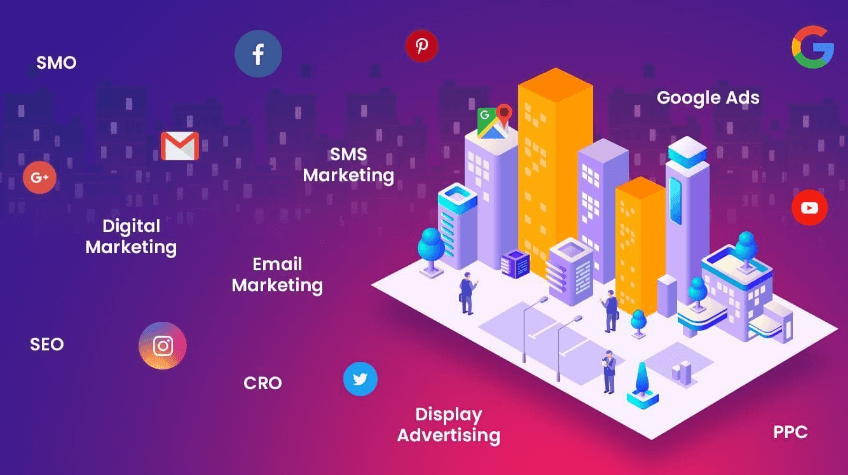
  • Invest in a lead nurturing system that helps you keep track of your leads and schedule follow-ups automatically.
  • Create high-quality, informative blog content to attract organic traffic and build credibility as a real estate expert.
  • Participate in local community events to build relationships and increase your visibility as a trusted real estate professional.
  • Use video marketing to showcase properties and provide virtual tours, allowing potential clients to view listings from the comfort of their homes.
  • Leverage testimonials from past clients to build trust with new leads and demonstrate your expertise in the real estate industry.

Interactive Quiz: Are You Using the Best Lead Generation Strategies?

Take Our Quiz!


Yes
No

Conclusion

Generating real estate leads is essential for success in the competitive real estate market. By using a combination of organic and paid lead generation strategies, as well as partnering with reliable real estate lead companies, agents can secure a steady flow of potential clients. Don’t forget to follow up, nurture relationships, and make use of the tools available to you, such as CRMs and lead nurturing software. Whether you choose to buy real estate leads or focus on organic growth, the key to success lies in persistence, adaptability, and consistent effort.

Ultimately, the success of your real estate lead generation efforts depends on your ability to build relationships and provide value to your clients. By staying informed about the latest trends and continually refining your strategies, you can ensure that you remain competitive in the ever-changing real estate landscape. Remember, lead generation is not just about finding new clients—it’s about building long-term relationships that lead to repeat business and referrals. Stay proactive, stay consistent, and watch your real estate business grow.

Check out this high authority real estate resource to learn more about market trends.

Real Estate Leads: The Ultimate Guide to Boosting Your Real Estate Business Read More »

CRM for Real Estate Investors: A Comprehensive Guide

crm for real estate

In today’s competitive real estate market, having an effective CRM for real estate investors is not just an advantage; it’s essential. Whether you’re a seasoned investor or just starting, the right real estate investing CRM can streamline your processes, enhance communication, and ultimately lead to better investment outcomes. In this guide, we’ll explore the best CRM options available, key features to consider, and tips for maximizing their potential.

What is a CRM for Real Estate Investors?

A Customer Relationship Management (CRM) system helps real estate investors manage interactions with potential buyers, sellers, and partners. It centralizes information, making it easier to track leads, manage properties, and maintain relationships. Furthermore, it provides analytics and insights that can guide investment strategies and improve decision-making.

Why Do You Need a Real Estate Investing CRM?

Here are some compelling reasons to consider implementing a CRM for real estate investors:

  • Streamlined Processes: Automate tasks like follow-ups and reminders, saving time and reducing the risk of human error.
  • Centralized Data: Access all your property and client information in one place, eliminating the chaos of spreadsheets and paper files.
  • Improved Communication: Facilitate better interactions with clients and stakeholders through organized contact histories and automated messaging.
  • Enhanced Tracking: Monitor your leads and investments with ease, ensuring you never miss an opportunity.
  • Data-Driven Insights: Analyze performance metrics to understand market trends and make informed investment decisions.

Best CRM for Real Estate Investors

Choosing the right CRM can be daunting. Here are some of the best CRM for investors available today:

1. HubSpot CRM

HubSpot offers a free version of its CRM, making it an attractive choice for real estate investors. With tools for tracking interactions, managing leads, and analyzing data, it’s perfect for investors looking to start without a significant upfront investment. You can explore more on HubSpot’s official site.

HubSpot CRM Interface

2. Real Geeks

Real Geeks specializes in real estate and provides comprehensive tools for lead generation and nurturing. Its user-friendly interface and integration with various platforms make it an excellent option for investors. Find out more at Real Geeks.

Real Geeks CRM

3. Follow Up Boss

This CRM is designed for real estate professionals and focuses on lead management and follow-ups. It’s particularly useful for those with large portfolios, allowing for efficient tracking of interactions. Learn more about it at Follow Up Boss.

Follow Up Boss CRM

4. Zoho CRM

Zoho CRM is highly customizable and offers a range of features specifically designed for real estate professionals. With lead management, reporting, and integration capabilities, it’s suitable for investors of all sizes. Check out Zoho CRM’s official site for more information.

Zoho CRM Interface

5. RealtyJuggler

RealtyJuggler is an affordable option that includes various features for managing contacts, properties, and transactions. It’s particularly beneficial for new investors looking to get started without breaking the bank. More details can be found at RealtyJuggler’s official site.

RealtyJuggler CRM

Key Features to Look for in Real Estate Investor CRM Software

When evaluating real estate investor CRM software, consider the following features:

  • Lead Management: Ability to track and nurture leads through the sales funnel, with tools for segmentation and targeting.
  • Task Automation: Automate repetitive tasks like email follow-ups and appointment scheduling to improve efficiency.
  • Reporting and Analytics: Insights into your investments and sales performance, allowing you to adjust strategies as needed.
  • Integration Capabilities: Compatibility with other tools you use, such as email marketing software and property management systems, to create a cohesive workflow.
  • Mobile Access: The ability to manage your CRM on-the-go with mobile-friendly applications.
  • Customization Options: Ability to tailor the CRM to your specific needs and workflows.
  • Support and Training: Access to customer support and training resources to help you maximize the use of the software.

How to Get Started with a Real Estate CRM

Getting started with a CRM can feel overwhelming, but following these steps can help:

  1. Define Your Goals: What do you want to achieve with the CRM? Better lead management? Improved communication?
  2. Choose the Right CRM: Research and select a CRM that meets your needs.
  3. Import Existing Data: If you have existing contacts or leads, import them into your new CRM to maintain continuity.
  4. Train Your Team: Ensure everyone understands how to use the system effectively. Consider workshops or online training sessions.
  5. Monitor and Adjust: Regularly review your use of the CRM and make adjustments as necessary. Use feedback from your team to improve processes.
  6. Utilize Resources: Take advantage of tutorials, forums, and customer support offered by the CRM provider to enhance your understanding.

Benefits of Using a CRM for Real Estate Investors

Implementing a CRM system offers numerous benefits:

  • Time Savings: Automating tasks allows you to focus on more critical aspects of your business, such as closing deals and networking.
  • Increased Productivity: Better organization leads to improved productivity, allowing you to manage more properties effectively.
  • Enhanced Customer Relationships: Keeping track of interactions fosters better relationships with clients, leading to higher satisfaction and retention rates.
  • Scalability: As your business grows, a CRM can adapt to your changing needs, ensuring you remain organized and efficient.
  • Better Insights: With comprehensive data analytics, you can identify trends and make data-driven decisions that enhance your investment strategy.
  • Lead Conversion: Effective lead management can result in higher conversion rates, meaning more successful transactions.

Challenges When Implementing a Real Estate CRM

While CRMs offer many benefits, challenges may arise:

  • Learning Curve: It can take time for your team to become proficient with the new system. Providing adequate training is crucial.
  • Data Migration: Transferring existing data into the new CRM can be complex, especially if the data is unorganized.
  • Cost: Some CRMs can be expensive, particularly for small investors. Budgeting appropriately is essential.
  • Overwhelm: The sheer number of features can be overwhelming. Focus on core functionalities that align with your immediate needs.
  • Resistance to Change: Employees may be resistant to adopting a new system. Clear communication about the benefits is essential.

FAQs About CRM for Real Estate Investors

1. What is the best CRM for real estate investors?

The best CRM often depends on your specific needs. HubSpot, Real Geeks, and Follow Up Boss are highly regarded options. Assess your requirements and budget to make an informed decision.

2. Can I use a general CRM for real estate investing?

While general CRMs can be adapted, real estate-specific CRMs offer features tailored to the industry’s needs, such as property management tools and integration with MLS systems.

3. How much does real estate investor CRM software cost?

Prices vary widely. Some offer free tiers, while others can range from $20 to several hundred dollars per month depending on the features offered.

4. Is CRM software worth it for small investors?

Yes! Even small investors can benefit from organized data, improved efficiency, and better customer relationships. The investment can lead to greater returns in the long run.

Real-Life Success Stories

Many real estate investors have transformed their businesses through effective CRM systems. For instance, John, a small investor, found that using a CRM allowed him to track leads efficiently. Before implementing a CRM, he struggled with disorganized notes and missed follow-ups, which often led to lost deals. Now, with automated reminders and organized data, he reports a 30% increase in his lead conversion rates.

Similarly, Sarah, a real estate agent managing a large portfolio, uses Follow Up Boss to maintain contact with her clients. The system’s tagging and segmentation features have helped her personalize her outreach, resulting in higher client satisfaction and repeat business. Stories like these showcase the potential of the right CRM system to drive success.

Future Trends in CRM for Real Estate Investing

As technology evolves, so too will the capabilities of CRMs tailored for real estate investors. Here are some future trends to watch:

  • Artificial Intelligence: AI integration can enhance lead scoring, predict market trends, and automate responses, making CRMs even more powerful.
  • Mobile Functionality: Increasingly, CRMs will focus on mobile capabilities, allowing investors to manage their business on-the-go. Mobile apps will provide access to real-time data and notifications, making it easier to stay connected.
  • Data Analytics: More advanced analytics features will help investors understand market dynamics and client behavior better. Predictive analytics can aid in decision-making by forecasting trends.
  • Social Media Integration: As social media continues to play a crucial role in real estate marketing, future CRMs may offer improved integration with platforms like Facebook and Instagram for lead generation.
  • Enhanced Security Features: With the increasing concern over data privacy, CRMs will likely incorporate more robust security measures to protect sensitive information.
  • Collaboration Tools: Features that enhance team collaboration, such as shared calendars and task management, will become more prevalent as remote work becomes standard.

Conclusion

Choosing the right CRM for real estate investors can significantly enhance your investment strategy. From lead management to automated follow-ups, the right tools can streamline your processes and drive success. Explore your options today and see how a tailored real estate investing CRM can transform your business!

For more insights into optimizing your real estate investing strategies, check out our services at MarketWiz.


CRM for Real Estate Investors: A Comprehensive Guide Read More »

Scroll to Top