

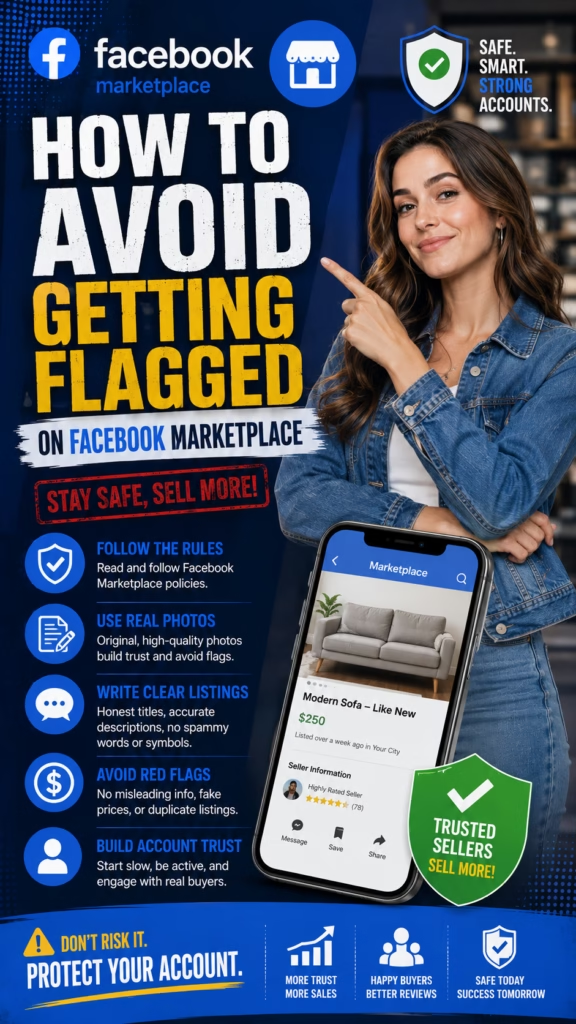
How to Avoid Getting Flagged on Facebook Marketplace
How to Avoid Getting Flagged on Facebook Marketplace explains how sellers and businesses can create clearer, more honest, more compliant listings that reduce confusion, complaints, duplicate issues, and poor buyer experiences.
Introduction
How to Avoid Getting Flagged on Facebook Marketplace starts with a simple rule: build listings that are accurate, transparent, compliant, and helpful for real buyers. Most problems happen when listings look misleading, repetitive, low quality, overly aggressive, wrongly categorized, or connected to items and services that do not belong on Marketplace.
For businesses, Facebook Marketplace can be a valuable local visibility channel. But it should be used carefully. A strong listing should clearly explain what is being offered, show real photos, use honest pricing, choose the right category, avoid exaggerated claims, respond professionally, and respect platform rules.
The safest way to avoid getting flagged on Facebook Marketplace is not to hide from the rules. It is to create listings that follow them, serve buyers clearly, and avoid behavior that looks spammy or misleading.
This guide is built for local retailers, product sellers, furniture stores, mattress stores, car dealers, appliance sellers, home service businesses, contractors, moving companies, junk removal providers, remodelers, and other businesses that want stronger Marketplace results without risking unnecessary listing problems.
Main idea: How to Avoid Getting Flagged on Facebook Marketplace is about improving listing quality, honesty, category accuracy, buyer trust, account behavior, and communication.
Table of Contents
- 1) Why Facebook Marketplace listings get flagged
- 2) Compliance-first posting mindset
- 3) Use accurate listing titles
- 4) Avoid misleading pricing
- 5) Use real and relevant photos
- 6) Choose the correct category
- 7) Write honest descriptions
- 8) Avoid duplicate and spammy posting
- 9) Avoid prohibited or restricted items
- 10) Be careful with service-based listings
- 11) Keep claims realistic
- 12) Use local keywords naturally
- 13) Build trust signals
- 14) Communicate professionally with buyers
- 15) Avoid aggressive message behavior
- 16) Keep account activity consistent
- 17) Marketplace tips for businesses
- 18) What to do if a listing is flagged
- 19) Common mistakes to avoid
- 20) Final thoughts
- 21) FAQs
- 22) Extra keywords
1) Why Facebook Marketplace Listings Get Flagged
Facebook Marketplace listings can get flagged for many reasons. Some issues come from platform rules. Others come from buyer reports, unclear wording, repeated posts, prohibited items, inaccurate photos, confusing pricing, or listings that look spammy.
A listing may also be flagged if it creates a poor buyer experience. If buyers feel misled, confused, pressured, or unsafe, they may report the post. That is why clarity and trust matter.
Common reasons listings may get flagged:
- Misleading title
- Inaccurate price
- Wrong category
- Duplicate listing behavior
- Prohibited or restricted item
- Low-quality or unrelated photos
- Spammy description
- Exaggerated claims
- Poor buyer communication
- Repeated reports from users
Most flagging risk can be reduced by making listings clear, honest, useful, and rule-friendly.
2) Compliance-First Posting Mindset
A compliance-first posting mindset means treating Marketplace as a buyer trust platform, not just a traffic source. Every listing should help buyers understand the offer and make an informed decision.
This approach protects the account and improves performance. Buyers are more likely to message when a listing looks legitimate, specific, and easy to understand.
Compliance-first Marketplace posting means:
Use honest titles
Use real photos
Use accurate prices
Choose correct categories
Avoid prohibited items
Avoid misleading claims
Avoid repetitive spam
Reply professionally
Respect buyer expectations
Track what works safely
The best Marketplace strategy is built around trust, not shortcuts.
3) Use Accurate Listing Titles
Titles should clearly describe what is being offered. Avoid clickbait, exaggerated promises, unrelated keywords, or titles that make the listing look like something it is not.
Good titles help the right buyers understand the listing quickly and reduce the chance of confusion or reports.
Weak title:
Best Deal Ever - Must See

Better title:
Queen Mattress Available - Local Pickup or Delivery

Weak title:
Cheap Home Service

Better title:
Local Furniture Delivery Help - Message for Availability

Weak title:
Amazing Car Deal

Better title:
Used Honda Civic - Local Test Drive Available

Weak title:
Everything Must Go

Better title:
Living Room Furniture Set - Sofa, Table & Chairs
Accurate titles reduce confusion and attract better buyer messages.
4) Avoid Misleading Pricing
Pricing is one of the biggest sources of buyer frustration. If the listing says one price but the real price is different, buyers may report the listing or stop trusting the seller.
If pricing varies by size, delivery, condition, quantity, project scope, or service details, explain that clearly in the description.
Better pricing language:
- Price listed is for this exact item
- Delivery available for an additional fee if applicable
- Pricing depends on size or condition
- Message for current inventory options
- Quote available after basic details
- Bundle pricing available if offered
- Starting price only if accurate
- Pickup price listed
- Current availability may change
- Ask about similar items
Clear pricing protects trust and reduces buyer complaints.
5) Use Real and Relevant Photos
Photos should match the item or service being offered. Unrelated images, stock-style visuals, blurry photos, misleading photos, or photos that do not show the real product can create buyer distrust.
For product sellers, use actual product photos. For businesses, use clean inventory photos, real project photos, delivery photos, showroom photos, or professional branded graphics that accurately represent the offer.
Photo best practices:
- Use real photos when possible
- Show the actual item
- Use clear lighting
- Show multiple angles
- Show condition honestly
- Include size or detail photos
- Avoid unrelated images
- Avoid misleading edits
- Use branded graphics carefully
- Keep photos clean and professional
Relevant photos make listings safer, clearer, and more trustworthy.
6) Choose the Correct Category
The category should match the item or offer. Wrong categories can confuse buyers and may increase the chance of a listing being reported or removed.
Choosing the right category also helps the listing reach buyers who actually want that product or service.
Category best practices:
Choose the closest accurate category
Do not use unrelated categories for extra reach
Update category if the listing is misplaced
Use product-specific categories when available
Avoid putting services where products belong
Avoid listing restricted items in unrelated sections
Keep category and description aligned
Use clear item details
Check similar legitimate listings for context
Prioritize buyer clarity
Correct categories improve both compliance and buyer relevance.
7) Write Honest Descriptions
The description should explain exactly what is being offered, what is included, the condition, pickup or delivery details, service area if relevant, pricing information, and what the buyer should message about.
A thin or vague description can create confusion. A misleading description can create complaints.
Strong Marketplace description structure:
Clear opening
Item or service details
Condition or availability
Price details
Pickup or delivery information
What is included
Trust signals
What buyer should send
Best next step
Friendly closing
Honest descriptions reduce confusion and help buyers make better decisions.
8) Avoid Duplicate and Spammy Posting
Repeatedly posting the same listing, using nearly identical titles, or flooding the platform with similar posts can look spammy. Businesses should use thoughtful listing rotation instead of duplicate repetition.
Rotation should be based on real differences: different products, sizes, categories, inventory, services, cities, photos, or offer angles.
Safer listing rotation ideas:
- Post different products separately
- Use accurate product titles
- Change photos only when they represent the listing
- Update inventory details
- Separate sizes or models when useful
- Use unique descriptions
- Remove sold items
- Avoid mass duplicate posting
- Keep listings relevant
- Track which listings perform best
Consistency is good. Duplicate spam is risky.
9) Avoid Prohibited or Restricted Items
Some items and services may not be allowed on Facebook Marketplace or may be restricted. Sellers should review current platform commerce rules and avoid listing anything that does not belong on Marketplace.
This includes items that may be regulated, unsafe, misleading, or prohibited. If there is any doubt, do not post until the rules are reviewed.
Safer posting habit:
Check platform commerce rules
Avoid prohibited items
Avoid restricted goods
Avoid misleading category placement
Avoid medical, regulated, or unsafe claims
Avoid fake brand claims
Avoid counterfeit items
Avoid unsafe products
Avoid anything you cannot legally sell
Keep listings buyer-safe
The best way to avoid problems with restricted items is not to list them.
10) Be Careful With Service-Based Listings
Facebook Marketplace is often product-focused, so service listings should be handled carefully. If a service is allowed and appropriate, it should be described clearly and honestly.
Service listings should avoid unrealistic claims, hidden fees, vague pricing, unrelated photos, or aggressive wording.
Safer service listing practices:
- Clearly name the service
- Explain service area
- Use real work photos if possible
- Explain estimate process
- Avoid false guarantees
- Use honest availability
- Ask for relevant details
- Reply professionally
- Avoid spammy repetition
- Follow platform rules
Service listings should feel helpful, local, and transparent.
11) Keep Claims Realistic
Exaggerated claims can create buyer distrust and increase reporting risk. Avoid language that promises impossible results, fake urgency, misleading discounts, or claims that cannot be proven.
Avoid:
Guaranteed cheapest
Best in the world
Limited time only if false
Free if not actually free
Brand new if used
Perfect condition if damaged
Official dealer if not true
Licensed if not accurate
No hidden fees if fees apply
Instant approval if not true
Realistic claims protect credibility and reduce buyer frustration.
12) Use Local Keywords Naturally
Local keywords can help buyers understand pickup, delivery, and service availability. But keyword stuffing can make listings look spammy. Use local wording only where it helps the buyer.
Natural local phrases:
- local pickup available
- delivery available nearby
- message with your city for delivery options
- pickup by appointment
- available in the local area
- serving nearby customers
- local estimate available if applicable
- ask about current availability
- message for pickup details
- delivery may vary by area
Local keywords should help buyers, not manipulate visibility.
13) Build Trust Signals
Trust signals reduce confusion and buyer concern. A trustworthy listing is less likely to create complaints because buyers understand who they are dealing with and what they are getting.
Marketplace trust signals:
Real photos
Accurate item condition
Business name if applicable
Pickup or delivery details
Clear pricing
Fast response language
Honest availability
Reviews or reputation if available
Professional communication
Clear included items
No exaggerated claims
No hidden terms
Trust signals make buyers more comfortable messaging and reduce report risk.
14) Communicate Professionally With Buyers
How a seller communicates can affect account reputation and buyer satisfaction. Replies should be clear, polite, timely, and accurate. Avoid rude responses, pressure tactics, or confusing instructions.
Professional reply example:
Thanks for reaching out. This is currently available. Are you looking for pickup details, delivery options, or more photos?
Service reply example:
Happy to help. What city are you in, what service do you need, and what timeline are you hoping for? Photos help if you want faster estimate guidance.
Better communication helps prevent misunderstandings and improves buyer trust.
15) Avoid Aggressive Message Behavior
Message behavior should feel natural and respectful. Sending too many follow-ups, pushing buyers aggressively, or copying the same message repeatedly can create a poor experience.
Better message habits:
Reply quickly
Answer the buyer’s question
Ask only relevant details
Avoid pressure-heavy language
Do not spam follow-ups
Do not send unrelated offers
Keep replies accurate
Confirm availability
Be polite if buyer declines
Close the conversation professionally
Buyer experience matters. Poor communication can create complaints even when the listing is accurate.
16) Keep Account Activity Consistent
Marketplace accounts should show normal, consistent, trustworthy behavior. Sudden bursts of repetitive listings, constant edits, suspicious wording, or many buyer complaints can create risk.
Businesses should use a steady posting process, clean listing records, clear inventory updates, and timely removal of unavailable items.
Healthy account habits:
- Post accurate listings
- Avoid sudden duplicate bursts
- Remove sold items
- Update availability
- Reply professionally
- Keep business information consistent
- Use real photos
- Track listing performance
- Avoid rule-risk categories
- Respect platform policies
Consistent trustworthy behavior is safer than aggressive posting volume.
17) Marketplace Tips for Businesses
Businesses should treat Facebook Marketplace as a local trust channel. Every listing should represent the brand professionally. That means accurate photos, clear product details, honest service information, and fast customer communication.
Business Marketplace tips:
Create clear product listings
Use accurate inventory details
Mention pickup and delivery clearly
Use real photos
Keep pricing honest
Avoid duplicate listings
Use business name when appropriate
Respond quickly
Track leads and sales
Follow current platform rules
Businesses perform better when Marketplace listings feel organized, professional, and trustworthy.
18) What to Do If a Listing Is Flagged
If a listing is flagged, review it carefully. Look for unclear wording, wrong category, pricing issues, prohibited content, duplicate posting, misleading photos, or anything that may have confused buyers.
Do not repost the same problematic listing repeatedly. Fix the issue first, follow any available appeal or review process, and keep future listings cleaner.
Flagged listing review checklist:
- Check title accuracy
- Check category
- Review pricing language
- Review photos
- Check prohibited item rules
- Remove misleading claims
- Rewrite vague description
- Check for duplicate behavior
- Review buyer complaints
- Follow the platform review process if available
Fix the cause before reposting. Repeating the same issue can create more problems.
19) Common Mistakes to Avoid
Many Marketplace problems come from rushing. A seller posts quickly, uses a vague title, grabs a weak photo, skips important details, or copies the same listing repeatedly. These shortcuts can hurt trust.
Common Marketplace mistakes:
- Misleading titles
- Wrong category
- Unclear pricing
- Repeated duplicate listings
- Unrelated photos
- Thin descriptions
- Prohibited items
- Unrealistic claims
- Slow or rude replies
- No inventory updates
The safest Marketplace listings are clear, accurate, useful, and easy for buyers to understand.
20) Final Thoughts
How to Avoid Getting Flagged on Facebook Marketplace is about creating better buyer experiences through accurate, honest, compliant listings. Sellers and businesses can reduce risk by using clear titles, honest pricing, real photos, correct categories, transparent descriptions, natural local wording, trust signals, professional replies, and consistent account behavior.
The strongest Marketplace strategy is not about finding loopholes. It is about building listings that buyers understand and platforms can trust.
Final takeaway: To avoid getting flagged on Facebook Marketplace, focus on compliance, clarity, accuracy, trust, and professional communication.
21) FAQs
1) What does it mean to get flagged on Facebook Marketplace?
Getting flagged usually means a listing was reported, reviewed, removed, restricted, or identified as potentially violating Marketplace rules or creating a poor buyer experience.
2) How can I avoid getting flagged on Facebook Marketplace?
Use accurate titles, real photos, honest pricing, correct categories, clear descriptions, compliant items, and professional communication.
3) Do duplicate listings get flagged?
Duplicate or repetitive listings can increase risk because they may look spammy or create a poor buyer experience.
4) Can misleading prices cause problems?
Yes. Misleading or unclear pricing can frustrate buyers and increase complaints or reports.
5) Should I use real photos?
Yes. Real and relevant photos help buyers trust the listing and reduce confusion.
6) Can wrong categories cause flags?
Yes. Using the wrong category can confuse buyers and may create listing issues.
7) Can service listings be flagged?
Service listings may face issues if they are unclear, spammy, misleading, prohibited, or placed incorrectly.
8) Should I list prohibited items?
No. Sellers should avoid prohibited or restricted items and review current platform commerce rules.
9) Can exaggerated claims hurt a listing?
Yes. Unrealistic claims, fake urgency, false guarantees, and misleading language can create buyer distrust.
10) How important is buyer communication?
Buyer communication is very important. Polite, accurate, timely replies can reduce misunderstandings and complaints.
11) Should I repost a flagged listing?
Review and fix the issue first. Reposting the same problematic listing repeatedly can create more risk.
12) What should I check if a listing is flagged?
Check the title, price, category, photos, description, item type, duplicate behavior, claims, and platform rules.
13) Can businesses post on Facebook Marketplace safely?
Yes. Businesses can post more safely when listings are clear, honest, relevant, compliant, and professionally managed.
14) What is a safe Marketplace title?
A safe title accurately describes the product or service without clickbait, unrelated keywords, or exaggerated claims.
15) What should a description include?
A description should include item details, condition, price information, pickup or delivery details, what is included, and the next step.
16) Are local keywords okay?
Yes, when used naturally. Keyword stuffing can make a listing look spammy.
17) What trust signals help?
Trust signals include real photos, accurate condition details, clear pricing, pickup or delivery details, business name if applicable, and professional replies.
18) Can bad photos hurt a listing?
Yes. Blurry, unrelated, misleading, or low-quality photos can reduce trust and create confusion.
19) Should sold items be removed?
Yes. Removing sold or unavailable items helps keep the account accurate and buyer-friendly.
20) Can fast posting cause issues?
Rapid, repetitive, or duplicate posting can look spammy. A consistent, organized posting process is safer.
21) What is the safest posting strategy?
The safest strategy is to post accurate, unique, buyer-friendly listings that follow platform rules and avoid prohibited items.
22) Can rude replies lead to reports?
Yes. Poor communication can frustrate buyers and increase the chance of complaints.
23) Should businesses track flagged listings?
Yes. Tracking listing issues helps identify patterns and improve future posts.
24) Can Marketplace support local marketing?
Yes. Marketplace can support local marketing when used with compliant listings, clear offers, trust signals, and good follow-up.
25) What is the main goal of avoiding flags?
The main goal is to protect account health while creating listings that buyers can trust, understand, and respond to.
25) Extra Keywords
- How to Avoid Getting Flagged on Facebook Marketplace
- Facebook Marketplace flagged listing
- Facebook Marketplace posting tips
- Marketplace listing compliance
- Facebook Marketplace business posting
- Facebook Marketplace selling tips
- Marketplace account safety
- Facebook Marketplace listing rules
- Facebook Marketplace duplicate listings
- Facebook Marketplace prohibited items
- Facebook Marketplace pricing tips
- Facebook Marketplace photo tips
- Facebook Marketplace category tips
- Facebook Marketplace description tips
- Facebook Marketplace trust signals
- Facebook Marketplace buyer communication
- Facebook Marketplace seller safety
- Facebook Marketplace listing quality
- Facebook Marketplace compliance strategy
- Facebook Marketplace local selling
- Facebook Marketplace business leads
- Facebook Marketplace safe posting
- Facebook Marketplace account health
- Facebook Marketplace listing optimization
- Facebook Marketplace growth strategy













